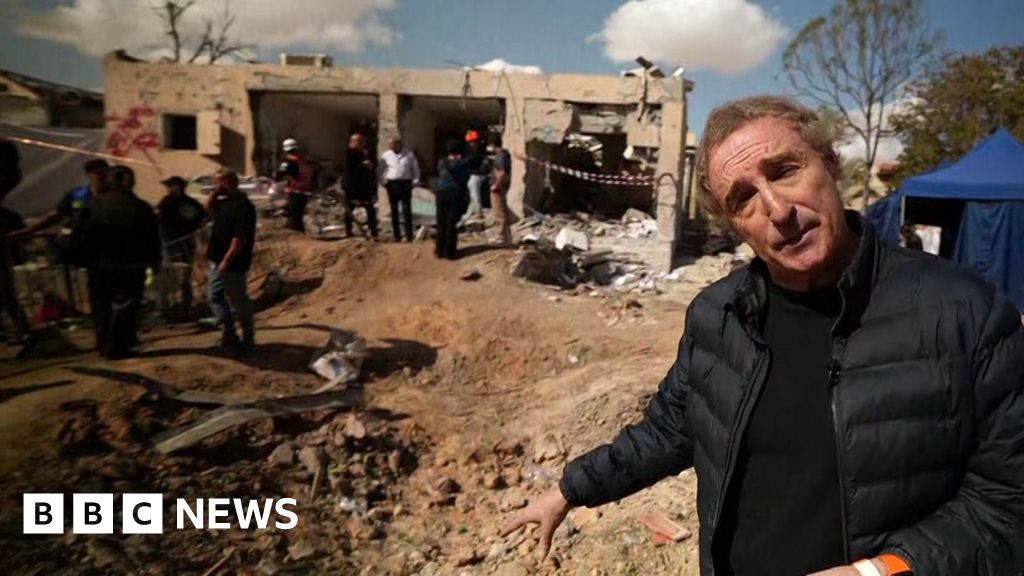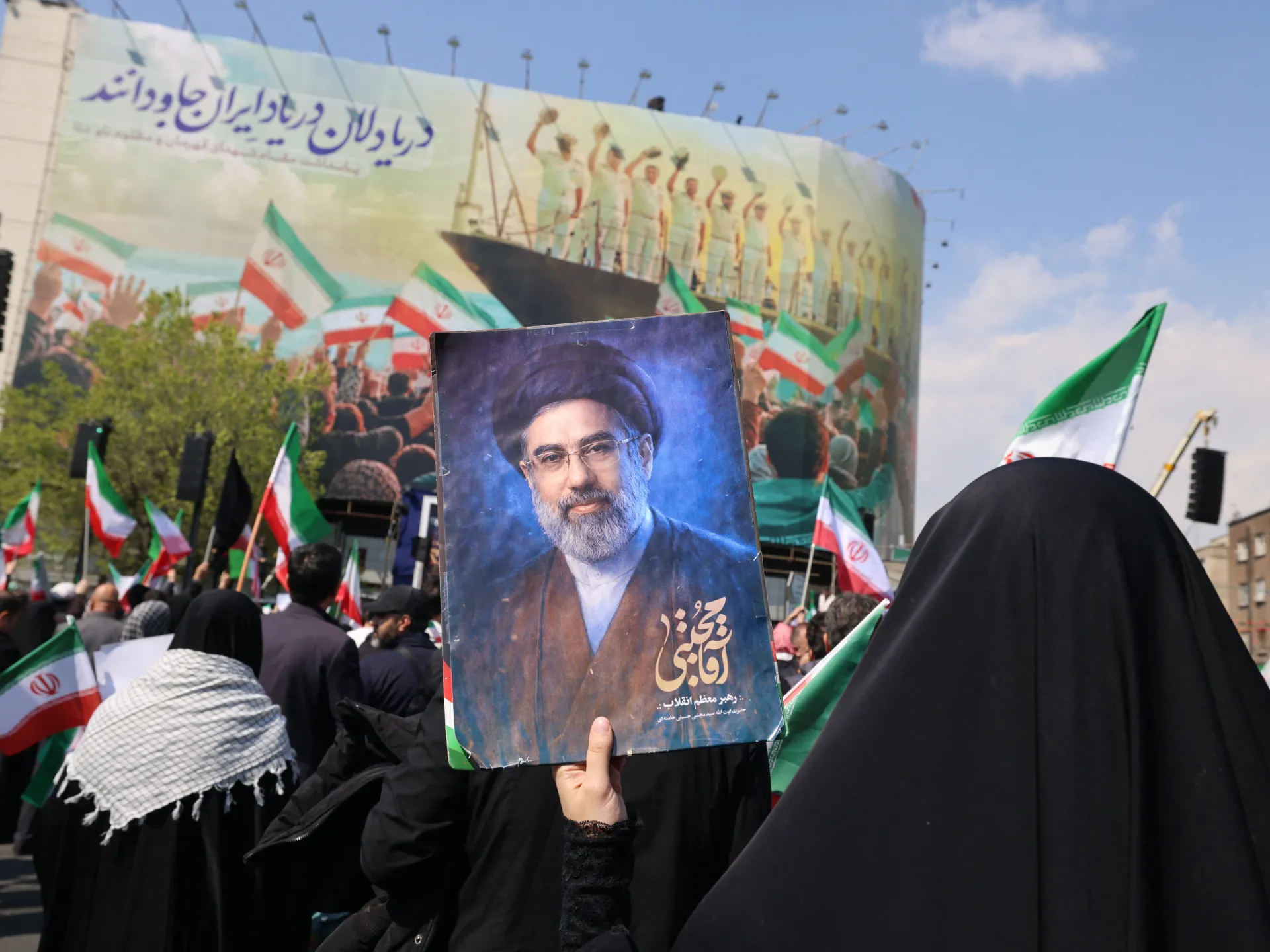

The escalating conflict surrounding Iran, now entering its fourth week, presents a profound and destabilizing challenge to the Middle East and carries significant implications for global energy markets and regional geopolitical dynamics. Initial assessments suggest a miscalculation by the Trump administration, characterized by inconsistent messaging and a lack of clearly defined strategic objectives, has exacerbated tensions beyond the initial response to Iranian actions following the assassination of General Soleimani. This haphazard approach has triggered a cascade of retaliatory measures, including the imposition of a de facto blockade on the Strait of Hormuz – a critical artery for approximately 15% of global oil and LNG shipments – driving up prices and raising the specter of broader economic disruption. The immediate business impact is already being felt, with increased volatility in commodity markets and heightened concerns about supply chain resilience, particularly for nations heavily reliant on Middle Eastern energy sources.
The sovereign capital landscape within the region is undergoing a rapid reassessment. Traditional Gulf states, historically reliant on oil revenues, are now compelled to mobilize significant portions of their national wealth to mitigate the economic fallout of the conflict and bolster regional security. Beyond traditional state-backed investment funds, we are witnessing a surge in interest from private sovereign wealth funds – notably Saudi Arabia’s PIF and the UAE’s ADIA – to diversify their portfolios and explore opportunities in sectors less vulnerable to geopolitical shocks. Simultaneously, venture capital activity is experiencing a notable slowdown, as investors prioritize defensive strategies and de-risk their investments. However, a nascent trend of ‘strategic’ venture capital – focused on bolstering cybersecurity, critical infrastructure resilience, and alternative energy solutions – is beginning to emerge, driven by a recognition of long-term vulnerabilities exposed by the crisis. The potential for increased state involvement in technology and infrastructure development, particularly in areas like renewable energy and digital transformation, is a key consequence of this shifting landscape.
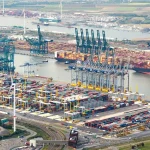
Crucially, the conflict’s ramifications extend to the region’s already strained infrastructure. The Strait of Hormuz remains a focal point of concern, with the potential for a protracted blockade posing a severe threat to global energy supplies. Beyond the immediate risk to maritime transit, the heightened state of alert is prompting increased investment in regional defense capabilities, including enhanced surveillance systems and hardening of critical infrastructure. Furthermore, the disruption to trade routes is accelerating the push for diversification of logistics networks, with significant investment anticipated in alternative shipping lanes and land-based transport corridors. The UAE, in particular, is actively pursuing initiatives to establish itself as a regional logistics hub, leveraging its strategic location and expanding port infrastructure. However, the long-term implications for regional connectivity and trade flows remain uncertain, contingent on the duration and intensity of the conflict.
Looking ahead, the Trump administration’s increasingly erratic approach – oscillating between declarations of “winding down” operations and threats of “obliteration” – presents a significant impediment to de-escalation. The lack of a coherent strategic framework, coupled with the apparent prioritization of short-term political objectives over long-term stability, risks further entrenching regional divisions and potentially triggering a wider conflict. The involvement of Israel, fueled by a decades-long strategic imperative, adds another layer of complexity, highlighting the need for a multilateral approach involving regional powers such as Saudi Arabia and Turkey. Ultimately, the resolution of this crisis will hinge on a demonstrable shift towards diplomatic engagement and a commitment to establishing a durable framework for regional security – a prospect currently overshadowed by the prevailing atmosphere of heightened tension and unpredictable decision-making.