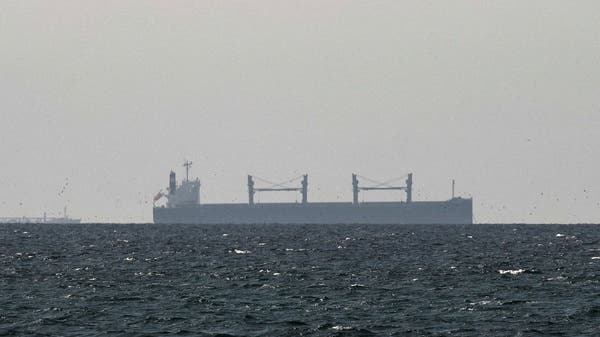

Two Turkish-flagged commercial vessels have recently transited the Strait of Hormuz amid ongoing regional hostilities, marking Turkey’s first successful maritime passage through the strategic chokepoint since the February escalation between Israel and Iran. Transport Minister Abdulkadir Uraloglu confirmed that in addition to the Rozana, which cleared the strait on March 13 under Iranian authorization, a second vessel designated the Neraki has also completed the crossing in recent days.
This development carries significant commercial implications for Turkish maritime operators and regional freight logistics. According to the minister, Iran had effectively closed the waterway in response to Israeli-directed airstrikes, trapping a fleet of 15 Turkish-owned ships in the vicinity. Only nine requested clearance to exit, with the remainder opting to remain at anchor due to operational needs or geopolitical caution. Turkish authorities coordinated dual-track diplomatic and transport initiatives to secure safe passage for commercial vessels with affiliated Iran trade cargoes, particularly those using Iranian port infrastructure.
For the MENA shipping and trade ecosystem, the reopening of a controlled maritime pathway through Hormuz provides temporary commercial relief, especially for Gulf nations dependent on uninterrupted tanker flow. It also benefits regional investors, sovereign wealth entities, and venture capital funds linked to Turkish trade corridors, by reducing fleet immobilisation risk and supporting cargo throughput confidence. Nonetheless, the evolving standoff stressing Middle East oil exports could prompt longer-term strategic shifts, with Gulf states expected to bolster naval escort capacity and reconsider contingency maritime routes to safeguard capital-intensive shipping infrastructure against similar future disruptions.