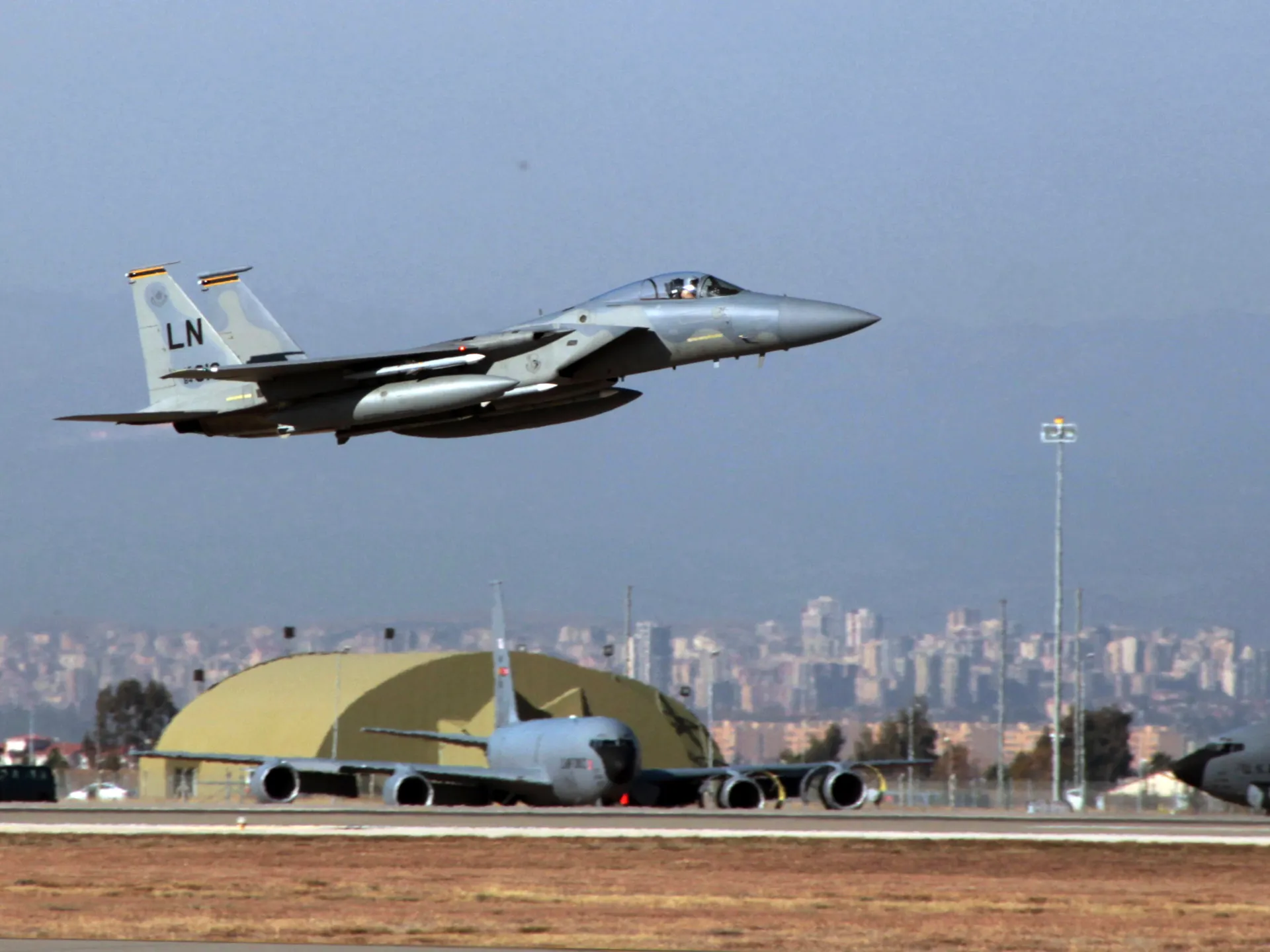

The deployment of an additional NATO Patriot missile defense unit to Incirlik Air Base represents a material escalation in the tangible security infrastructure supporting southeastern Europe and the Eastern Mediterranean. For regional sovereign wealth funds and institutional investors with exposure to Turkish assets or transit corridors, this action formally quantifies a persistent geopolitical risk premium. The immediate business impact is a recalibration of risk-assessment models; sectors reliant on stable logistics—particularly energy pipelines, bulk shipping, and regional air cargo—will face higher insurance and operational security costs. This underscores a critical dependency on NATO-linked security guarantees for the viability of key trade and energy infrastructure routes that traverse Turkish territory.
This development will directly influence the capital allocation strategies of Gulf sovereign investors. Entities such as the Abu Dhabi Investment Authority or the Saudi Public Investment Fund, managing vast de-risking mandates, may temporarily pause or tighten due diligence on new venture capital and direct investments within Turkey’s defense-adjacent and critical infrastructure sectors. While historical investments in Turkish finance, real estate, and telecoms remain, future commitments will increasingly be tied to explicit government-to-government security assurances. Conversely, this could accelerate sovereign capital deployment toward alternative, perceived-safe hubs like the UAE and Saudi Arabia for regional logistics and tech operations, reinforcing a bifurcation in regional investment destinations based on security contingency planning.
For the regional venture capital ecosystem, the heightened security posture acts as a catalyst for targeted investment themes. There will be accelerated interest in dual-use technologies—cybersecurity, satellite communications, AI-driven threat detection, and hardened logistics platforms—where Turkish and regional startups can serve both commercial and NATO-partner procurement pipelines. The physical reinforcement of bases like Incirlik and Kurecik also signals long-term Western commitment to maintaining forward operating capabilities in the MENA theater, which stabilizes the broader investment environment for tech infrastructure but selectively increases operational complexity for firms with supply chains passing through high-risk zones.
Ultimately, this military reinforcement is a stark reminder that regional infrastructure resilience is inseparable from hard security. Mega-projects like the Iraq-Turkey-Europe energy corridor or the Middle East Corridor rail initiative now incorporate a quantifiable security cost layer in their financial models. The involvement of multiple NATO member troop contingents at Incirlik further internationalizes the security guarantee, making the base a permanent, hardened node in global supply chain risk management. For investors, the equation is clear: the strategic value of Turkish geography is being underwritten by extended allied military presence, but at the cost of an enduring risk premium that will shape capital flows and venture valuations across the region for the foreseeable future.