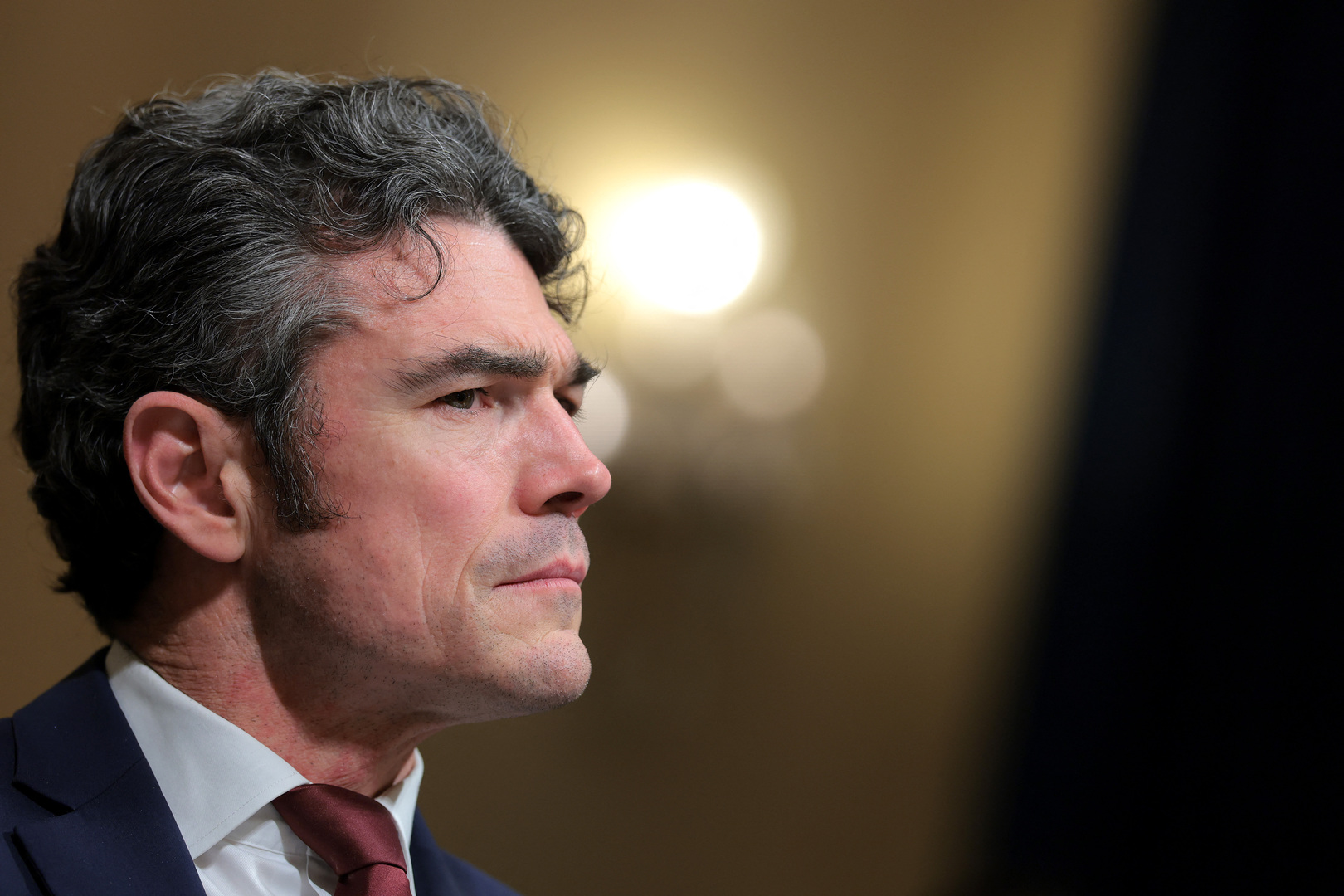

Jack Dorsey’s initial tweet, posted on March 21, 2006, marked the genesis of what would become the globally influential social media platform, Twitter, now rebranded as X. While the platform’s trajectory has been marked by significant shifts in ownership and operational strategy, the underlying phenomenon of real-time digital communication holds considerable implications for the Middle East and North Africa (MENA) region. This nascent act of sharing a simple message represents a foundational moment in the evolution of digital interaction, with far-reaching consequences for business, sovereign capital deployment, venture capital investment, and regional technological infrastructure.
The rapid adoption of platforms like X, and its successor, has presented both opportunities and challenges for the MENA region’s burgeoning digital economy. Sovereign wealth funds (SWFs) are increasingly recognizing the strategic importance of digital infrastructure and user engagement. Investment in regional data centers, 5G networks, and cloud computing capabilities is accelerating to support the growth of these platforms and their associated applications. This investment, coupled with venture capital influx directed towards fintech startups, e-commerce platforms, and digital marketing agencies, is driving innovation and fostering a more connected consumer base. Specifically, the rise of X has fueled the growth of micro-influencer marketing and facilitated more direct engagement between businesses and consumers, influencing purchase decisions and market trends. The recent shift to X signifies a potential disruption to established media ecosystems and offers new avenues for content creation and distribution, while simultaneously demanding robust cybersecurity measures.
However, this digital transformation is not without its complexities. The recent controversies surrounding X, including concerns regarding content moderation and the proliferation of misinformation, raise critical questions about the role of social media platforms in shaping public discourse and maintaining social stability within the MENA region. The potential for misuse of AI-generated content, as evidenced by the reported creation of sexual deepfakes, presents a significant threat to individual reputations and societal trust. Furthermore, competition within the social media landscape, with platforms like Bluesky and Meta’s Threads vying for user attention, underscores the dynamic and evolving nature of the digital ecosystem. For regional investors, this competitive environment necessitates a nuanced approach, emphasizing platform security, data privacy, and community moderation strategies when making deployment decisions. The value of the original tweet NFT serves as a cautionary tale of speculative asset markets and the potential volatility of digital ownership in the context of rapidly evolving platform technologies.
Looking ahead, the MENA region’s future economic development is inextricably linked to the continued evolution of digital platforms and infrastructure. The successful navigation of the challenges associated with platform governance, data security, and misinformation will be crucial for realizing the full potential of this technology. The development of regional standards for data interoperability, coupled with strategic investments in digital literacy programs, will be essential for ensuring equitable access to the benefits of the digital economy. The ongoing narrative around X, and the broader implications of evolving social media landscapes, will undoubtedly continue to shape business strategies, investment patterns, and the overall trajectory of the MENA region’s technological advancement. The platform’s sustained presence and adaptation to evolving user demands are critical for fostering sustained economic growth and innovation within the region.