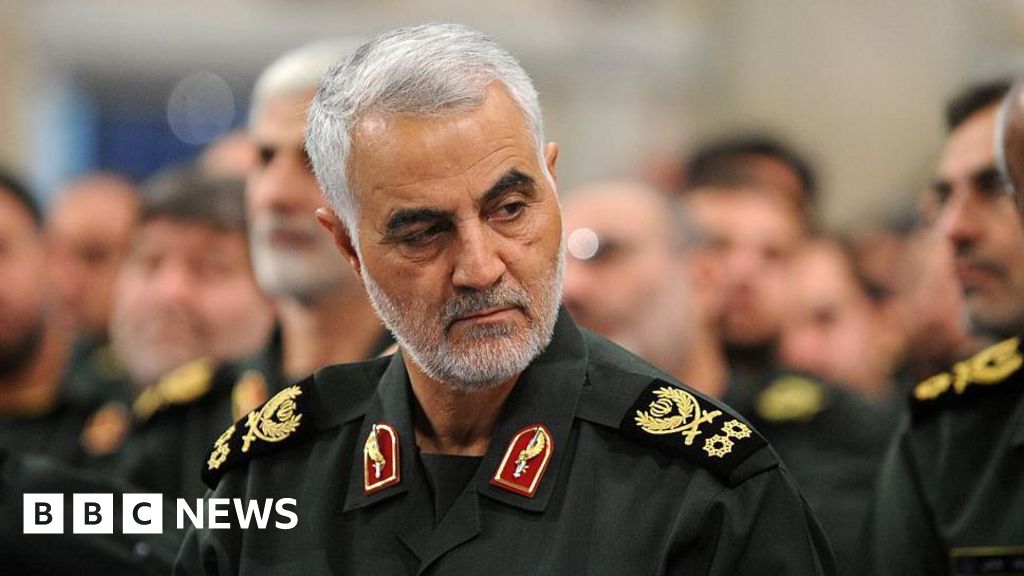

thedetention of Soleimani’s close relatives by US authorities represents a localized event with potential spillover effects on financial stability and investment climates in the Middle East and North Africa. While the immediate impact may appear confined to geopolitical rhetoric, the broader implications for sovereign capital flows into or out of Iran-adjacent markets cannot be dismissed. Analysts tracking sovereign capital dynamics in the region must assess whether heightened US-Iran tensions could trigger capital flight from markets like Iran or its neighbors, particularly amid existing vulnerabilities in sovereign balances. Such developments could exacerbate pressure on regional currencies already strained by macroeconomic imbalances, thereby dampening investor confidence in the stability of sovereign markets.
venture capital activity in the MENA region, especially in technologically driven sectors, may face indirect headwinds if renewed hostilities between Iran and Western powers disrupt regional economic integration. Early-stage funding ecosystems in countries with pro-Iranic leanings—such as Iran itself, Iraq, or Syria—could see reduced inflows as investors recalibrate risk profiles in response to heightened geopolitical uncertainty. Conversely, sovereign entities in GCC states or Turkey, which have strategic investments in Iran’s oil or infrastructure sectors, might reassess their exposure risks. This recalibration could redirect venture capital toward more politically stable tech hubs, such as Israel, Egypt, or UAE-based ventures, thereby reshaping the competitive landscape for regional innovation funding. Regulatory tightening in select MENA markets could further entrench this trend, discouraging cross-border capital movement in sensitive sectors.
regional infrastructure projects, particularly those reliant on multilateral or public-private partnerships, may experience delays or funding challenges if the current episode amplifies fiscal uncertainties. Countries in the Greater Middle East that depend on hydrocarbon revenues or foreign infrastructure investment—such as Algeria, Yemen, or Libya—could see sovereign debt negotiations stall or borrowing costs rise. Moreover, critical infrastructure projects tied to energy or digital connectivity in volatile regions might face supply chain disruptions if political instability increases. Authorities in stable MENA jurisdictions, including Saudi Arabia or the UAE, may need to accelerate efforts to diversify infrastructure portfolios away from politically sensitive sectors. This strategic shift could prioritize AI, renewable energy grids, or cybersecurity solutions—sectors where private capital and sovereign investments could offset potential losses in traditional hydrocarbon-linked infrastructure.