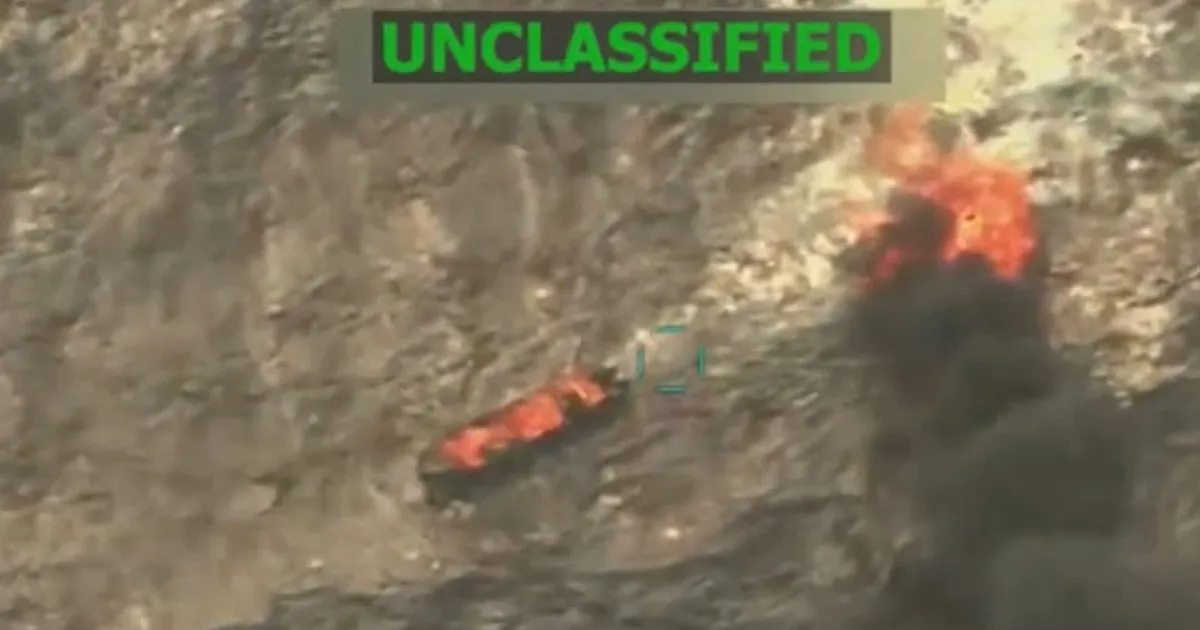

The escalating US military campaign targeting suspected drug-trafficking vessels in the Caribbean and Eastern Pacific presents a complex and potentially destabilizing development for the broader Middle East and North Africa (MENA) region. While ostensibly focused on combating the flow of narcotics into the United States, the strategy’s legal ambiguities and aggressive enforcement posture are generating significant concerns regarding sovereign territorial integrity and the potential for wider regional conflict. The implications extend far beyond the immediate maritime zones, demanding a reassessment of security partnerships and investment strategies across the MENA landscape.
From a MENA perspective, the US’s militarized approach echoes a trend of assertive foreign policy, reminiscent of past interventions and increasingly raising questions about the role of regional states. Sovereign wealth funds and state-backed investment vehicles are already exhibiting caution, delaying commitments to infrastructure projects in countries perceived as vulnerable to US pressure – particularly those bordering the Caribbean or possessing significant maritime trade routes. Simultaneously, the campaign’s reliance on collaborative agreements with nations like Ecuador and the veiled threat of reciprocal action against Mexico highlights a strategic realignment that could exacerbate existing geopolitical tensions. Venture capital firms, traditionally drawn to MENA’s burgeoning tech sectors, are also demonstrating increased scrutiny, prioritizing investments in sectors less susceptible to political volatility and potential US-led sanctions.
The legal challenges posed by these extrajudicial strikes – coupled with the Inter-American Commission on Human Rights’ ongoing investigations – represent a critical risk factor for MENA nations. The precedent set by the US operation could embolden other actors to pursue similar tactics, potentially undermining established international norms and fueling a cycle of escalation. Furthermore, the campaign’s impact on regional maritime security is uncertain. While a 20% reduction in vessel movement has been reported, the underlying criminal networks remain intact, and the focus on eliminating surface assets may divert resources from addressing the root causes of drug trafficking – factors such as poverty, corruption, and weak governance – which are prevalent in many MENA countries. This creates a vulnerability that could be exploited by non-state actors.
Looking ahead, the MENA region must proactively engage in diplomatic efforts to clarify the legal framework surrounding these operations and advocate for adherence to international law. Simultaneously, diversification of security partnerships beyond the US is paramount, fostering a more balanced and resilient regional security architecture. Strategic investments in maritime domain awareness, coupled with initiatives to combat corruption and promote economic development, are crucial to mitigating the long-term risks associated with this evolving geopolitical landscape. Failure to do so risks further destabilization and a protracted period of heightened uncertainty across the region.