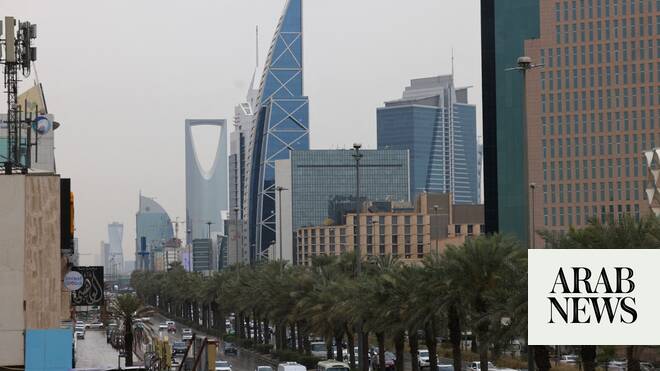

The US State Department’s emergency directive for American citizens in Saudi Arabia to shelter in place underscores the escalating geopolitical volatility roiling the Gulf. For regional businesses, particularly in sectors reliant on foreign expertise such as energy and financial services, such advisories directly impact operational continuity and workforce stability. Sovereign wealth funds, which are increasingly pivoting towards defensive capital allocation strategies, may accelerate repatriation of assets or delay international expansion. Meanwhile, venture capital activity in the MENA region faces heightened scrutiny, as security concerns could temper investor appetite for growth-stage startups, particularly those with US-linked operations or supply chains.
Infrastructure projects, critical to Saudi Arabia’s Vision 2030 diversification efforts, now confront accelerated risk-revaluation. Major initiatives like NEOM and the Red Sea Development remain strategically vital, but contractors and investors will demand revised security protocols, potentially inflating costs and timelines. Regional hub ambitions—whether in Riyadh, Dubai, or Doha—could be incentivized as alternative safe havens for talent and capital, though this may also trigger diplomatic friction. The Gulf’s GCC nations, while maintaining economic resilience, will need to balance heightened security imperatives with their long-term positioning as global investment conduits.
Ultimately, this incident amplifies the MENA region’s geopolitical fragility, compelling institutional investors to recalibrate risk models. For sovereign entities like Abu Dhabi’s Mubadala or Qatar’s QIA, the calculus extends beyond portfolio returns to include systemic exposure assessment. Global tech partnerships, from cloud computing to AI collaborations, now face additional layers of due diligence, potentially slowing the region’s tech modernization drive. However, with sufficient diplomatic de-escalation, the MENA market’s sheer capital depth and strategic positioning could enable rapid recovery—provided investors perceive mitigation measures as credible and sustainable.