
The escalating tensions in the Middle East following Iran’s recent strikes on Kuwait and Israel necessitate a sober assessment of the regional implications. President Trump’s declaration of an imminent response, coupled with veiled threats of significant infrastructure damage, underscores the fragility of the existing security architecture and introduces a heightened risk of escalation. This situation carries profound consequences for the broader MENA region, demanding a strategic reevaluation of sovereign capital allocations, venture capital investments, and critical infrastructure development plans.
From a sovereign capital perspective, the instability is already triggering a flight to safety. Gulf states, particularly Saudi Arabia and the UAE, are likely accelerating their diversification efforts, prioritizing investments in sectors less vulnerable to geopolitical shocks – renewable energy, advanced manufacturing, and digital infrastructure. Venture capital firms are exhibiting a cautious approach, shifting focus away from high-risk, long-term projects and towards more immediate, defensive investments. Crucially, the potential for a protracted conflict is prompting increased demand for secure, localized supply chains, potentially bolstering domestic manufacturing capabilities within countries like Egypt and Morocco, while simultaneously creating opportunities for specialized technology providers offering cybersecurity and resilience solutions. Furthermore, the prospect of sanctions against Iran, regardless of the immediate response, will continue to constrain regional economic growth and necessitate alternative trade routes, impacting logistics and transportation infrastructure investments.
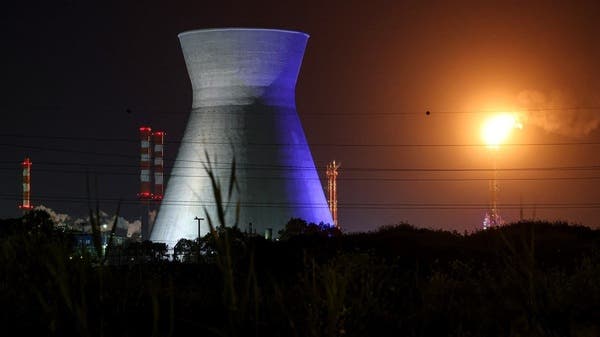
The attack on Kuwait’s critical infrastructure highlights the vulnerability of regional energy and utilities. This event is accelerating the push for diversification away from hydrocarbon dependence, a long-standing strategic imperative for many nations. However, the immediate focus is on bolstering resilience – investments in redundant power grids, enhanced cybersecurity for critical systems, and the rapid deployment of alternative energy sources. This translates into significant opportunities for technology companies specializing in smart grids, distributed energy resources, and advanced monitoring systems. Moreover, the crisis is likely to spur increased investment in regional connectivity projects, particularly in digital infrastructure, as nations seek to mitigate reliance on single points of failure and enhance communication networks. The potential for increased military spending, driven by heightened security concerns, will further shape investment priorities, diverting capital from civilian sectors.
Finally, the situation demands a reassessment of regional infrastructure development. The attack underscores the need for enhanced protection of vital assets, including ports, pipelines, and communication networks. This will necessitate significant investment in physical security measures, alongside the deployment of advanced surveillance technologies. Beyond immediate defensive measures, long-term infrastructure planning must incorporate climate resilience – adapting to rising sea levels, extreme weather events, and water scarcity, all exacerbated by regional instability. The coming weeks will be critical in determining the trajectory of investment, with the potential for a significant shift towards security, resilience, and diversification, fundamentally reshaping the economic landscape of the Middle East and North Africa.