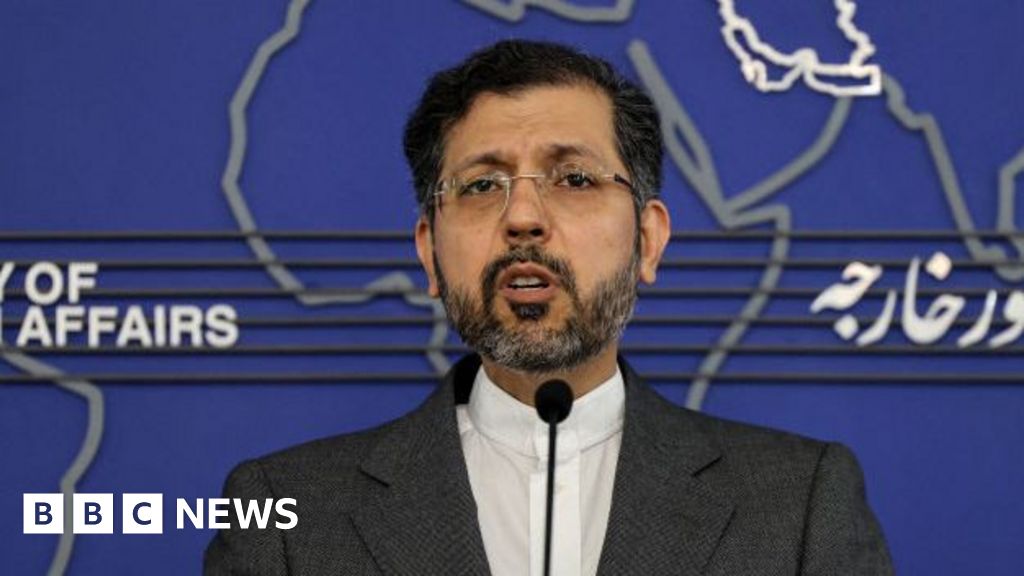

Iran’s deputy foreign minister has denounced the recent Israeli airstrikes on Lebanese territory as a “grave violation” of the cease‑fire accord that has underpinned relative stability along the southern border since 2020. While the diplomatic condemnation underscores heightened geopolitical risk, the fallout extends into the region’s financial markets, sovereign debt issuance, and the fledgling venture‑capital ecosystem that has been nurtured by Gulf sovereign wealth funds (SWFs) and private investors. The escalation threatens to destabilise cross‑border supply chains, inflate insurance premiums and compel regional lenders to reassess exposure to Lebanon’s already fragile banking sector.
Lebanese sovereign debt, already trading at deep discount, is likely to see further compression as investors price in heightened default risk amid potential escalation. Regional SWFs, notably from Saudi Arabia, Qatar and the UAE, have been positioning themselves as strategic backstops for Lebanese reconstruction projects, but the renewed hostilities could deter capital inflows earmarked for infrastructure renewal, including the €2.5 billion Port of Beirut expansion and the $1.8 billion Beirut–Ras Beirut rail link. A spike in risk premia would also raise borrowing costs for neighboring states that rely on similar debt markets, curtailing fiscal space for public‑private partnerships in transport, energy and digital infrastructure.
Venture‑capital activity in the MENA tech corridor—particularly in fintech, health‑tech and climate‑tech sectors—has been buoyed by a wave of sovereign‑linked funds and a supportive regulatory environment. However, the perception of a widening security vortex could erode confidence among limited partners, prompting a slowdown in fund‑raising cycles for emerging‑stage managers. Institutional investors may re‑allocate capital toward more defensible assets such as sovereign‑backed green bonds or infrastructure assets located in geopolitically insulated economies like Oman and Bahrain, thereby throttling the pipeline of growth capital to startups that depend on regional ecosystems.
In the longer term, the incident underscores the fragility of the MENA region’s integration agenda. Persistent security disruptions risk reversing the gains made through the Gulf Cooperation Council’s infrastructure connectivity initiatives and the EU‑MENA digital trade framework. Policymakers will need to reinforce multilateral security guarantees and accelerate the establishment of sovereign‑guaranteed financing vehicles to safeguard critical projects and maintain the flow of venture capital into high‑growth sectors. Failure to do so could see the region’s ambition to become a global hub for innovation and sustainable infrastructure stall, with reverberating effects on employment, diversification targets and the broader economic resilience of the Middle East and North Africa.