
The Economic Fallout of Geopolitical Strife: MENA Capital Faces Turbulence Amid Escalating Conflict
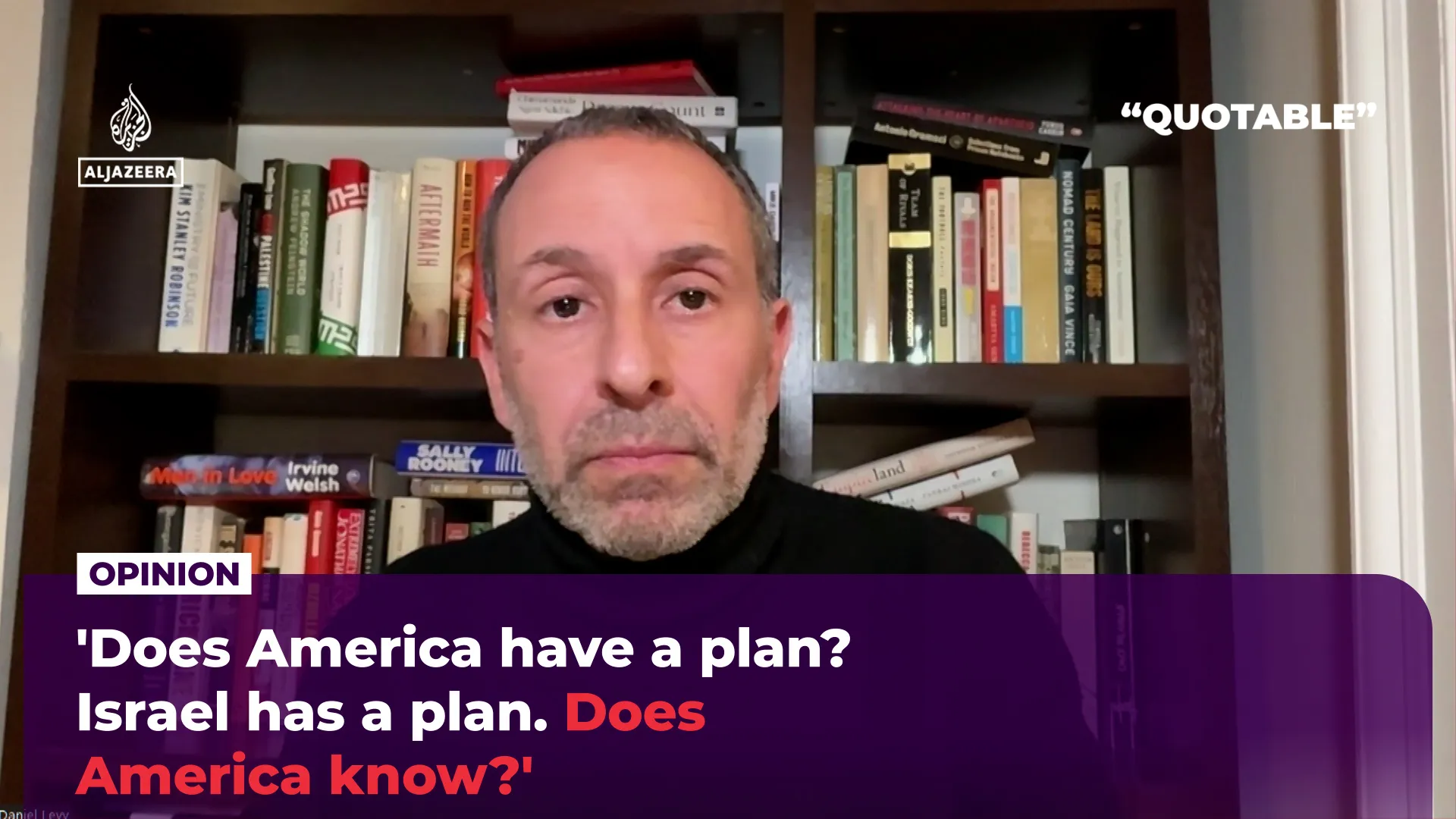
Daniel Levy’s characterization of the US-Israel war on Iran as a reckless endeavor primarily serving Israeli interests carries profound implications for the Middle East and North Africa (MENA) region’s financial architecture. The conflict’s escalation significantly heightens geopolitical risk, directly impacting sovereign capital deployment and regional economic stability. MENA governments and sovereign wealth funds (SWFs), long engaged in strategic diversification and long-term infrastructure investment, now confront a destabilized investment climate. This environment necessitates a reassessment of capital allocation towards regions perceived as less volatile, potentially diverting critical sovereign funds earmarked for regional development projects and creating capital flight pressures. The focus must shift to quantifying the tangible economic costs—military expenditure, disruption to trade corridors like the Bab el-Mandeb Strait, and the impact on energy markets—which directly erode sovereign balance sheets and constrain fiscal space for future strategic investments.
Venture Capital and Innovation: Navigating the Investment Chill
Beyond sovereign funds, the conflict’s ripple effects manifest acutely in the venture capital (VC) ecosystem, a critical engine for MENA’s digital transformation and innovation ambitions. The prevailing uncertainty deters foreign direct investment (FDI) and VC inflows, as investors prioritize risk mitigation over long-term strategic positioning. This aversion to MENA markets, perceived as increasingly contested geopolitical flashpoints, threatens to stall the momentum of regional startups, particularly those in tech, fintech, and climate technology—sectors vital for economic diversification. The challenge for MENA policymakers and institutional investors lies in articulating clear risk mitigation strategies and enhancing regional integration to offset global capital flight. Success hinges on demonstrating infrastructure resilience, establishing robust legal frameworks, and showcasing tangible progress in political stability, thereby reassuring capital that strategic long-term commitments remain viable despite the current turbulence.
Infrastructure Resilience and Strategic Realignment
The broader infrastructure implications demand urgent attention. MENA’s ambitious infrastructure projects, underpinning regional connectivity and economic growth, face significant headwinds. Increased defense spending diverts resources from critical public works, while disruptions to energy infrastructure and supply chains elevate operational costs and project complexity. This necessitates a strategic realignment: prioritizing infrastructure that enhances security and energy resilience, potentially at the expense of broader, longer-term development visions. Regional collaboration on shared infrastructure, such as undersea cables or cross-border energy networks, could offer a pathway to mitigate individual vulnerabilities. However, the current climate demands rigorous cost-benefit analyses, emphasizing projects with immediate security utility alongside those essential for future economic viability, ensuring capital is deployed where stability and tangible returns are demonstrably safeguarded.