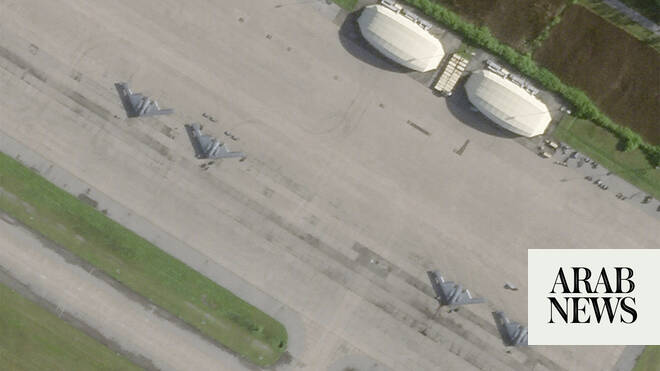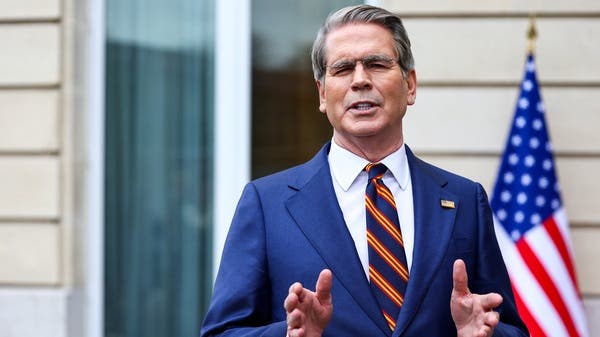

The evolving strategic posture emanating from Washington regarding Iran presents a significant and destabilizing risk to the broader Middle East, with profound implications for regional financial stability and investment flows. Treasury Secretary Bessent’s assertion – that escalation is a necessary component of de-escalation – reflects a disconcerting ambiguity that is already manifesting in volatile energy markets and heightened geopolitical uncertainty. This apparent policy recalibration, coupled with President Trump’s fluctuating rhetoric, introduces a critical element of unpredictability into a region historically defined by strategic maneuvering and tacit understandings. The immediate impact is evident in surging crude oil prices, directly impacting consumer spending across the United States and creating potential headwinds for the upcoming midterm elections. However, the ramifications extend far beyond domestic politics.
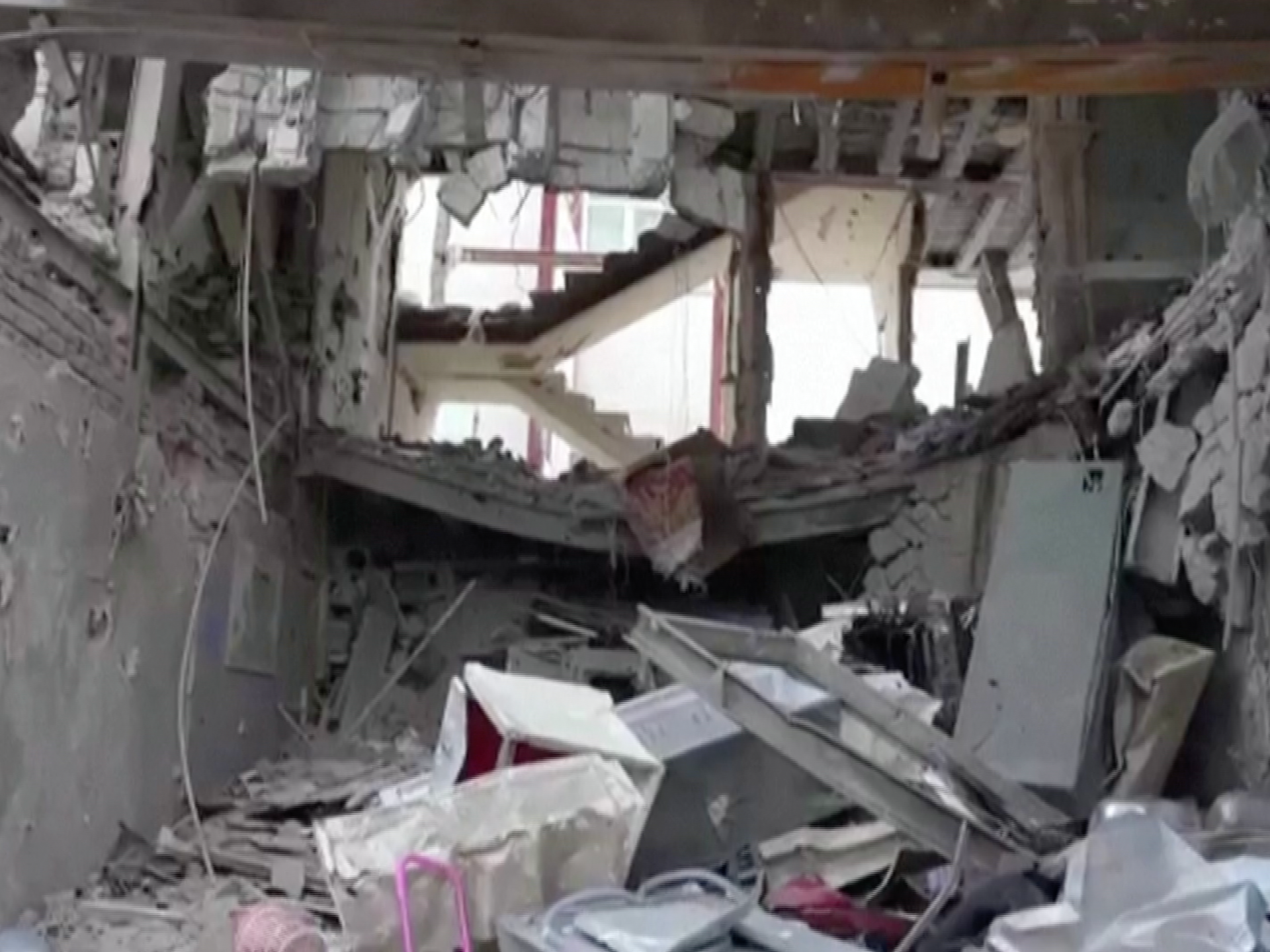
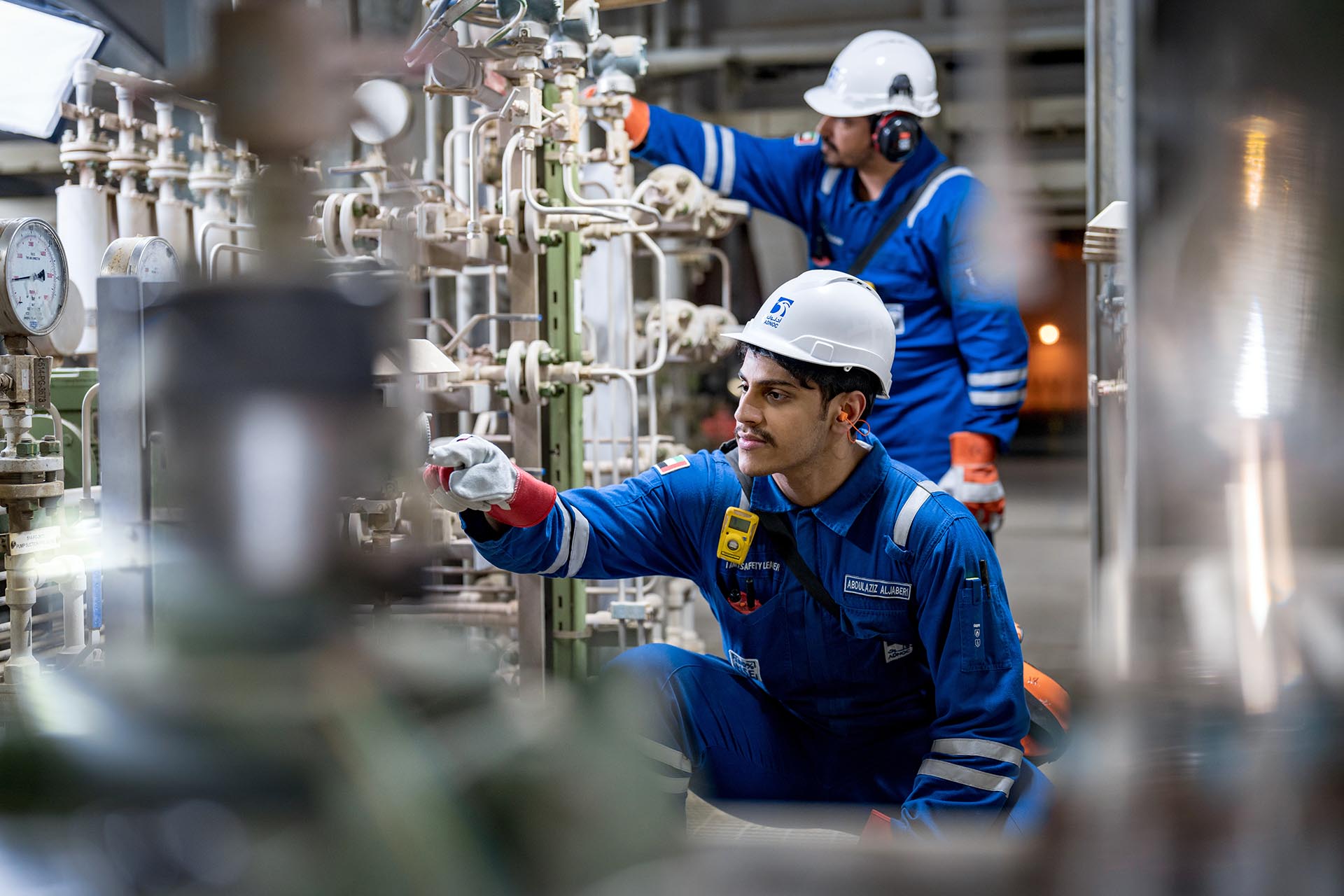
For the MENA region, the potential for intensified conflict carries substantial sovereign capital risks. Gulf states, already grappling with the economic fallout of the pandemic and the broader geopolitical landscape, face increased pressure on their fiscal reserves. Venture capital investment, particularly in sectors reliant on stable regional trade routes – including logistics, maritime services, and petrochemicals – is likely to experience a pronounced slowdown. Furthermore, the prospect of infrastructure damage, particularly to vital shipping lanes like the Strait of Hormuz, necessitates immediate and substantial investment in redundancy and defensive capabilities, diverting resources from long-term development priorities. The delicate balance of power within the region is further complicated by the potential for proxy conflicts, exacerbating existing tensions and hindering regional integration.
The recent, albeit temporary, relaxation of sanctions on Iranian oil, as outlined by Secretary Bessent, underscores a pragmatic, if controversial, attempt to mitigate immediate market pressures. While intended to alleviate pressure on US allies and reduce Iranian revenue, this maneuver risks legitimizing a strategy that could ultimately fuel further escalation. Critically, the reliance on Chinese demand for this sanctioned oil presents a strategic vulnerability, potentially reinforcing Iran’s position as a key supplier at discounted rates. Moreover, the potential for increased Iranian influence in global energy markets, even through circumvention of sanctions, necessitates a coordinated response from international partners, including a renewed focus on bolstering alternative energy sources and diversifying supply chains – a process that will require significant capital investment and technological innovation across the region.
Ultimately, the long-term stability of the Middle East hinges on a shift towards diplomatic engagement and a commitment to de-escalation. The current policy trajectory, characterized by alternating threats and tactical concessions, is unsustainable and risks perpetuating a cycle of violence. Sovereign wealth funds and private investors must carefully assess the evolving risk environment, prioritizing investments in resilient sectors and diversifying regional portfolios. Furthermore, sustained regional cooperation, facilitated by a renewed commitment to multilateralism, is paramount to mitigating the economic and security consequences of this escalating uncertainty. Absent a credible pathway towards a negotiated settlement, the region faces a protracted period of instability with potentially devastating consequences for its economies and its people.