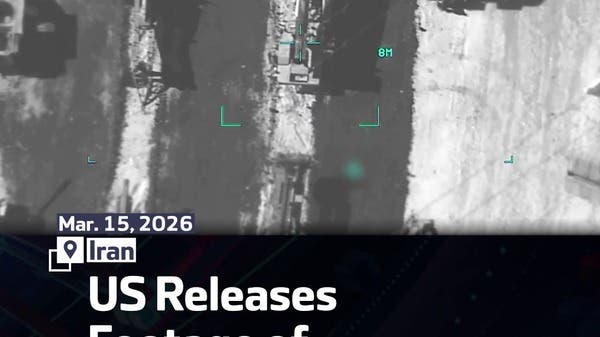

The release of classified U.S. footage documenting alleged Iranian military operations against regional assets underscores the escalating security volatility that continues to reverberate across the Middle East and North Africa (MENA). For sovereign capital, the implications are profound: heightened geopolitical risk is likely to depress foreign direct investment (FDI) inflows into Gulf Cooperation Council (GCC) economies, which remain heavily reliant on hydrocarbon revenues amid global energy transition pressures. The footage exacerbates existing apprehensions about regional stability, potentially tightening sovereign credit spreads for nations already grappling with debt sustainability concerns. Notably, countries like Saudi Arabia and the UAE, heavily dependent on oil price volatility, may face increased costs to underwrite security guarantees in contested territories, diverting capital from developmental priorities such as Vision 2030 infrastructure projects.
Venture capital ecosystems in MENA, particularly in fintech and renewable energy, stand at a critical juncture. While the region has attracted record VC funding—reaching $5.2 billion in 2023—the geopolitical flashpoint risks stifling cross-border liquidity flows. U.S. investors, historically pivotal to MENA VC growth, may adopt a wait-and-see approach amid sanctions adjacency risks and regulatory fragmentation. Moreover, the footage’s emphasis on asymmetric warfare tactics could deter institutional capital from backing startups aligned with defense technology or logistics, tilting entrepreneurial focus toward consumer-facing sectors less directly tied to Iran-related tensions. However, this dynamic may inadvertently accelerate innovation in cybersecurity and Crisis Management Infrastructure (CMI) within GCC member states, as both governments and private firms prioritize resilience against hybrid threats.
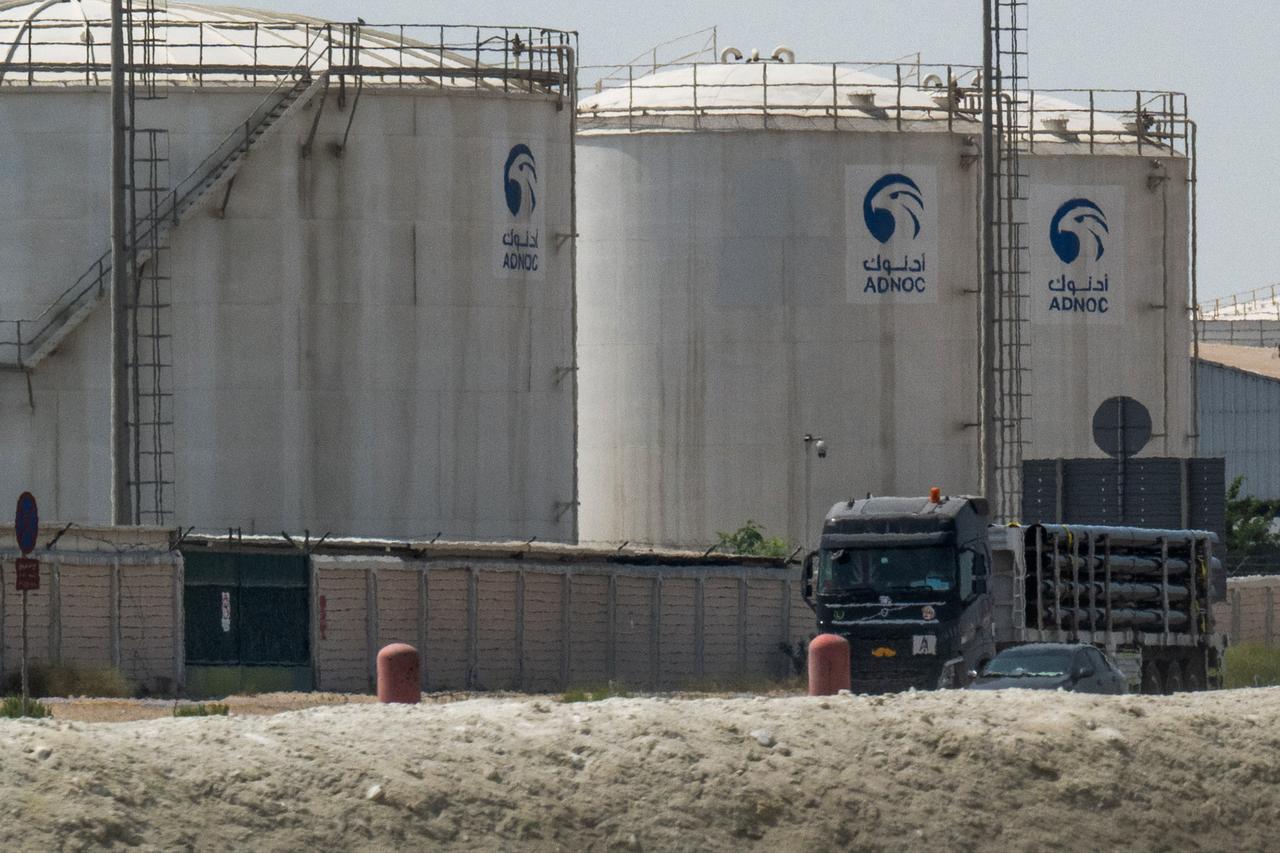
Regional infrastructure networks face compounded risks, with critical bottlenecks like the Straits of Hormuz and Suez Canal already operating under heightened security scrutiny. The leaked footage heightens concerns about potential mineralogical or energy infrastructure targeting, particularly in Gulf of Oman chokepoints through which 20% of global seaborne oil transits. For sovereign entities, this exacerbates already strained logistics budgets—Oman, for instance, allocates 12% of its defense budget to maritime security—while deterring private-sector investments in port modernization initiatives. Furthermore, the lack of a cohesive regional framework for conflict de-escalation complicates long-term planning for infrastructure corridors like the proposed Saudi-Iraq energy pipeline, diverting attention from integration efforts toward short-term countermeasure investments.
Institutional investors must recalibrate risk frameworks for MENA exposures, factoring in what MEA geopolitics analyst Dr. Amneh Al-Majed describes as a “new normal of low-grade conflict underpinning financial markets.” While strategic patience is warranted for sovereign investments in renewable energy transitions—particularly Egypt’s Benban Solar Park and Morocco’s green hydrogen corridor—the current environment demands hedging against security-driven volatility. Simultaneously, cross-border sovereign capital cooperation mechanisms, such as the Riyadh-based Saudi-woods Project’s pan-Arab Sovereign Bond Framework, may see renewed urgency as policymakers seek to insulate national budgets from external shocks. The path forward necessitates a bifurcated approach: prioritizing sovereign-grade assets with embedded risk mitigation while selectively engaging in VC opportunities aligned with defense innovation and CMI modernization.