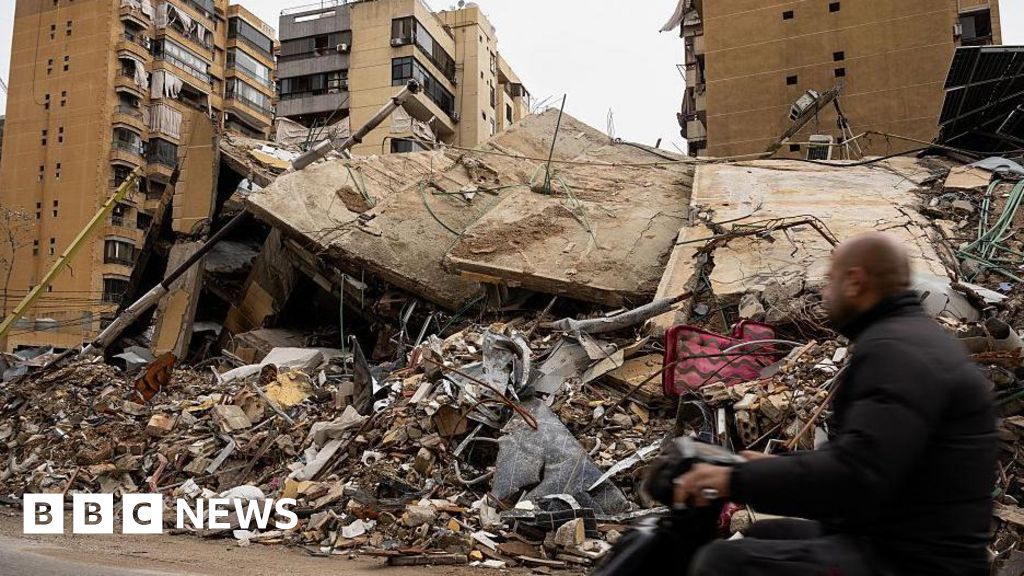

Recent military escalations in the Levant, marked by the reported downing of a U.S. jet and Israeli strikes on Beirut, have injected acute geopolitical risk into the MENA region, prompting a swift reassessment of investment frameworks by institutional capital. Financial markets from Dubai to Cairo have registered heightened volatility, with risk premiums widening across sovereign bonds and equities. The advisory cited in initial reports reflects a broader directive from global asset managers to de-risk exposures, potentially disrupting near-term capital flows into sectors reliant on regional stability, such as tourism, logistics, and cross-border finance.
Sovereign wealth funds (SWFs), managing in excess of $3 trillion and acting as key architects of economic diversification, are recalibrating deployment strategies amidst the instability. Entities including Saudi Arabia’s Public Investment Fund and Mubadala of Abu Dhabi are likely to divert allocations from high-risk Levantine markets toward secure domestic mega-projects and strategic partnerships in Asia. This temporary reallocation may decelerate SWF participation in multinational infrastructure consortia, though it could also create opportunistic entry points for distressed asset acquisitions in sectors like real estate and energy once de-escalation materializes.
The venture capital ecosystem, which has driven MENA’s tech emergence with record funding rounds, now faces a contraction phase. VC firms are tightening due diligence and prioritising portfolio resilience, particularly for startups with Beirut-based operations or supply chain dependencies on Lebanon. The strikes on Beirut—once a nucleus for fintech and creative industries—may catalyse a talent and capital migration toward UAE and Saudi hubs, accelerating regional rebalancing but straining early-stage liquidity. Limited partners are expected to demand higher returns for MENA exposure, potentially cooling the recent surge in early-stage tech investments.
Critical regional infrastructure, including Eastern Mediterranean ports, energy pipelines, and digital backbone networks, now confronts direct security threats that could impose costly redundancies and delay timelines for projects like the Iraq Development Road and GCC rail integration. The advisory underscores an urgent need for GCC states to accelerate alternative trade corridor investments to mitigate disruption risks, yet immediate security expenditures may divert funds from longer-term diversification goals. This confluence of factors threatens to set back multi-billion-dollar infrastructure agendas by 12–18 months, reinforcing a cycle where geopolitical friction directly impedes foundational economic modernization.