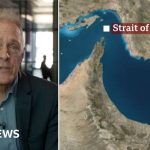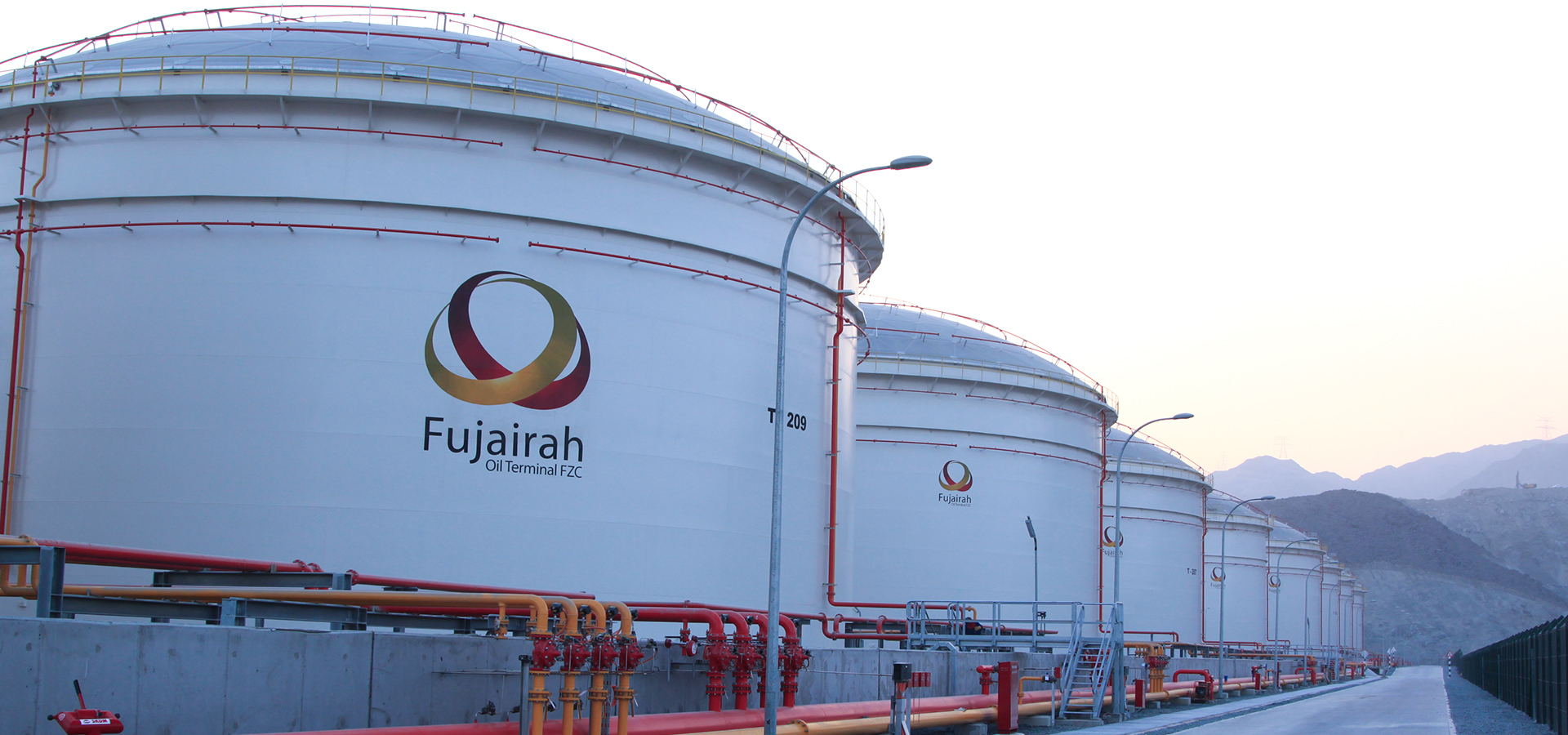

Amid escalating geopolitical tensions, the United Arab Emirates has strategically leveraged its Fujairah port to mitigate Hormuz Strait disruptions, accelerating crude exports to buffer regional and global supply vulnerabilities. Between March 20–24, Fujairah’s daily crude throughput surged to 1.9 MMbpd—57% above the 2025 average—as ADNOC restored critical export infrastructure after Iranian drone strikes. This operational pivot underscores the port’s emerging role as a linchpin in Gulf energy security, with its Habshan-Hur al-Mindaq pipeline now operating near full capacity to reroute oil shipments. Yet the fragility of this alternative route is evident: the same strikes that forced the initial detour damaged storage tanks and refining logistics, forcing secondary load shifts to facilities like Sohar. For businesses reliant on stable energy pricing, the rerouting introduces cost volatility and logistical risks, while underscoring the region’s dependence on hydrocarbon flexibility measures to avert broader market shocks.
Fujairah’s ascendancy as a chokepoint alternative highlights the intertwined fates of sovereign capital and infrastructure resilience in MENA economies. UAE state entities, including ADNOC and sovereign wealth funds, have channeled capital into rapid infrastructure upgrades—a tactical gamble to stabilize export volumes amid Persian Gulf uncertainty. This contrasts with broader regional trends where MENA sovereign wealth funds, such as Saudi Arabia’s PIF, have diversified into global tech ecosystems, partly to insulate themselves from such cyclical shocks. However, the current spillover effects—logistical bottlenecks, refining constraints, and tracking inaccuracies exacerbated by regional signal interference—pose tailwinds against short-term sovereign fiscal planning. For venture capital ecosystems reliant on predictable cash flows and regional stability, these disruptions risk dampening investor appetite, particularly in sectors like fintech and logistics that operate at the intersection of energy and global supply chains.
Underpinning Fujairah’s pivotal role is a raw exposure of MENA’s infrastructural asymmetries. While Gulf states subsidize port and pipeline expansions to maintain export dominance, the region’s growing digital ecosystems face collateral damage: signal interference from drones and military systems has impaired real-time tracking, complicating cargo derivatives and insurance cost modeling. This serves as a stark reminder of how neo-colonial vulnerabilities persist, even as nations like Saudi Arabia push for Vision 2030’s digitization agendas. For sovereign capital strategists, the lesson is clear: investments in regional infrastructure must prioritize diversification and redundancy, whether in alternative shipping corridors or next-generation logistics technologies. Meanwhile, venture capitalists are quietly reevaluating risk appetite, with early-stage defense tech and cybersecurity venture capital funds positioning themselves to address both state and market security gaps arising from an increasingly contested energy landscape.