
MENA Weather System Presents Significant Economic and Sovereign Risk for the UAE
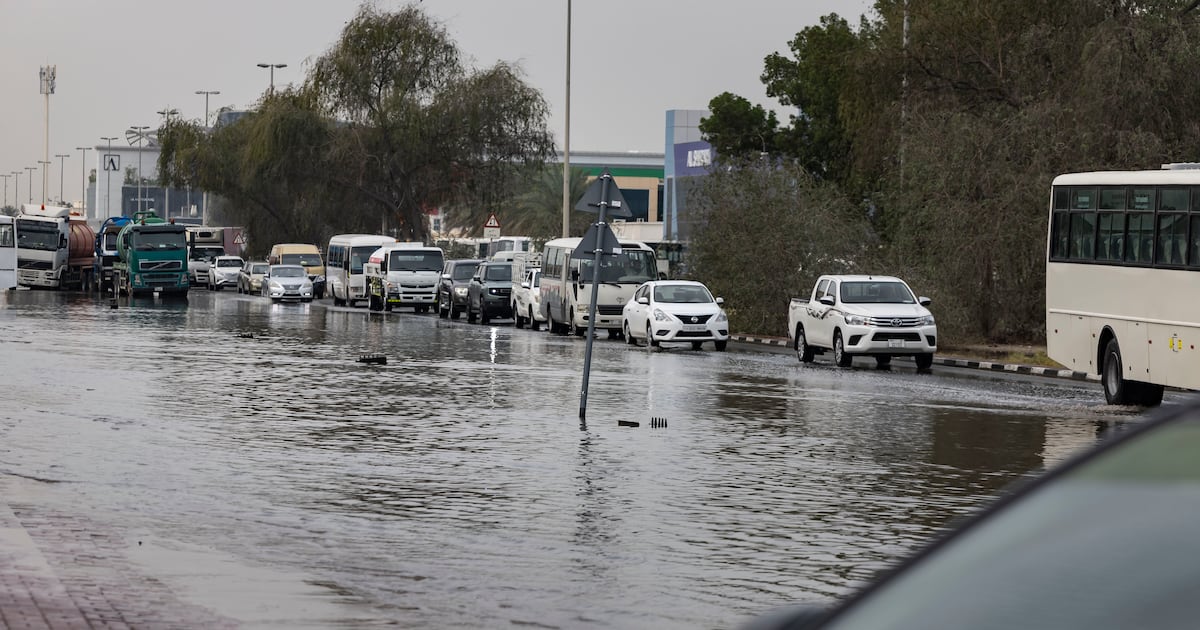
The unprecedented deluge striking Abu Dhabi and Ajman, with projections of years’ worth of rainfall in a single day, represents a critical inflection point for the Middle East’s economic landscape. The National Centre of Meteorology’s (NCM) warning of continued hazardous conditions, coupled with forecasts of severe downpours and potential tornadoes, underscores a heightened level of operational risk across the region. Business disruption is already evident, with Abu Dhabi Police implementing speed restrictions on key infrastructure, highlighting the immediate economic impact on logistics and transportation networks. This event necessitates a reassessment of existing infrastructure resilience and investment strategies, particularly within the burgeoning sovereign wealth funds – entities like ADIA and Mubadala – which hold substantial portfolios across diverse sectors, including real estate, tourism, and energy.
Venture capital activity in the MENA region, traditionally focused on sectors like fintech and renewable energy, is likely to experience a temporary slowdown as investors prioritize risk mitigation. The potential for widespread property damage, supply chain disruptions, and reduced tourism demand will inevitably lead to a more cautious approach to new investments. However, this crisis could also accelerate demand for specialized technologies – advanced weather forecasting, flood management systems, and resilient building materials – creating opportunities for targeted investment. Furthermore, the scale of the event necessitates a coordinated response from regional governments, potentially unlocking further sovereign capital allocation towards disaster preparedness and infrastructure upgrades. The UAE’s demonstrated capacity to mobilize resources and implement rapid response measures will be a key factor in shaping investor confidence moving forward.
The infrastructural implications are substantial. Beyond the immediate need for emergency repairs to roads and drainage systems, the event demands a long-term strategic review of urban planning and climate adaptation. The NCM’s forecasts extend beyond the UAE, impacting neighboring nations like Saudi Arabia and Oman, indicating a broader regional vulnerability. Investment in resilient infrastructure – including elevated roadways, improved drainage networks, and reinforced building codes – will be paramount. Moreover, the disruption to air travel, as highlighted by Emirates, underscores the need for enhanced contingency planning and investment in airport infrastructure capable of withstanding extreme weather events. This situation also presents a compelling case for increased regional collaboration on meteorological data sharing and early warning systems, leveraging the technological capabilities of companies like Windy to bolster predictive accuracy and response times.
Ultimately, this extreme weather event serves as a stark reminder of the escalating risks associated with climate change in the MENA region. The economic consequences extend beyond immediate operational disruptions, impacting long-term growth projections and potentially straining sovereign budgets. A proactive, data-driven approach to infrastructure investment, coupled with strategic engagement with private sector capital, will be crucial for mitigating future risks and ensuring the region’s long-term economic stability. The UAE’s response to this crisis will undoubtedly shape the broader narrative surrounding climate resilience and investment strategy across the wider MENA economic bloc.