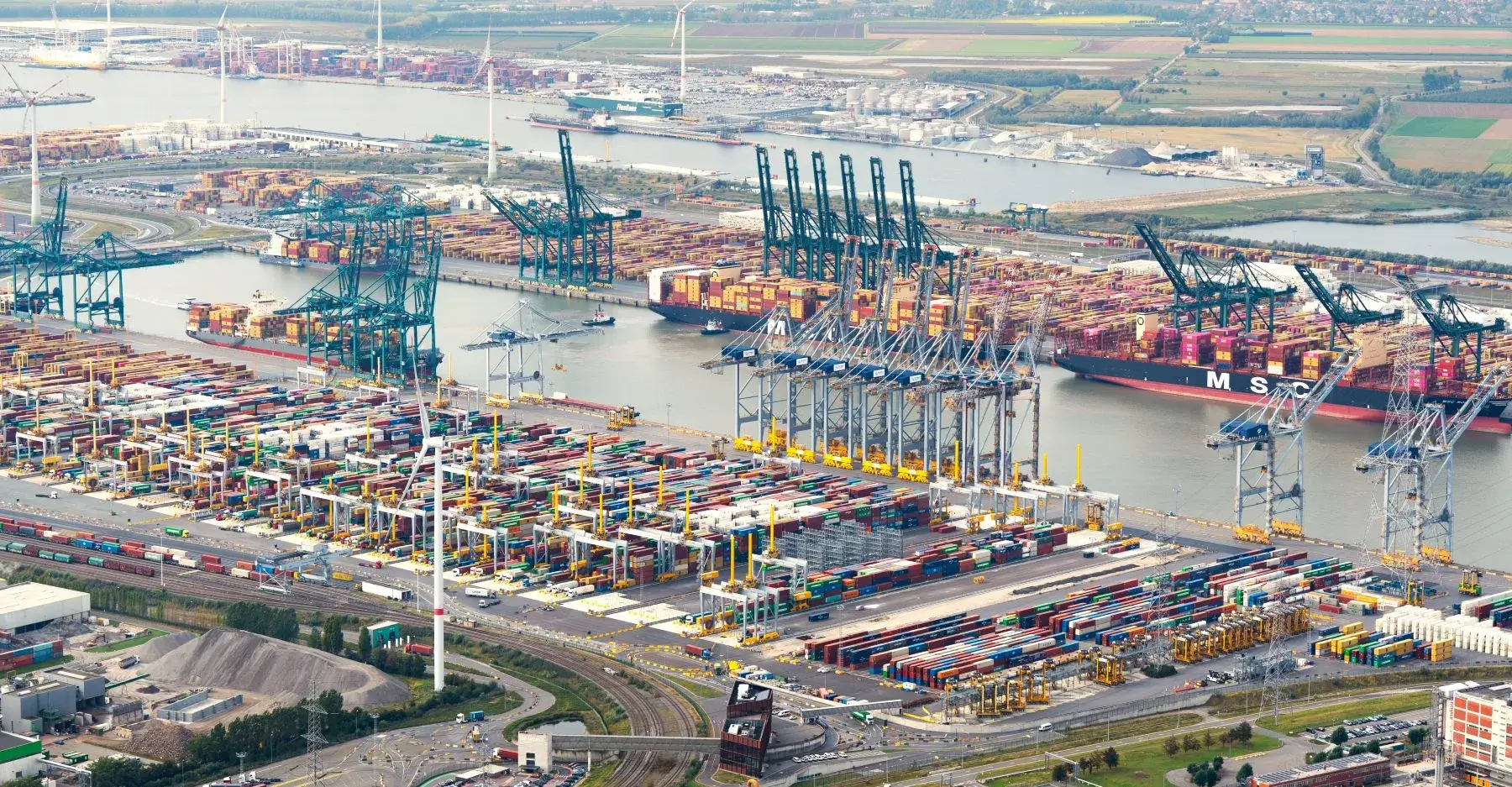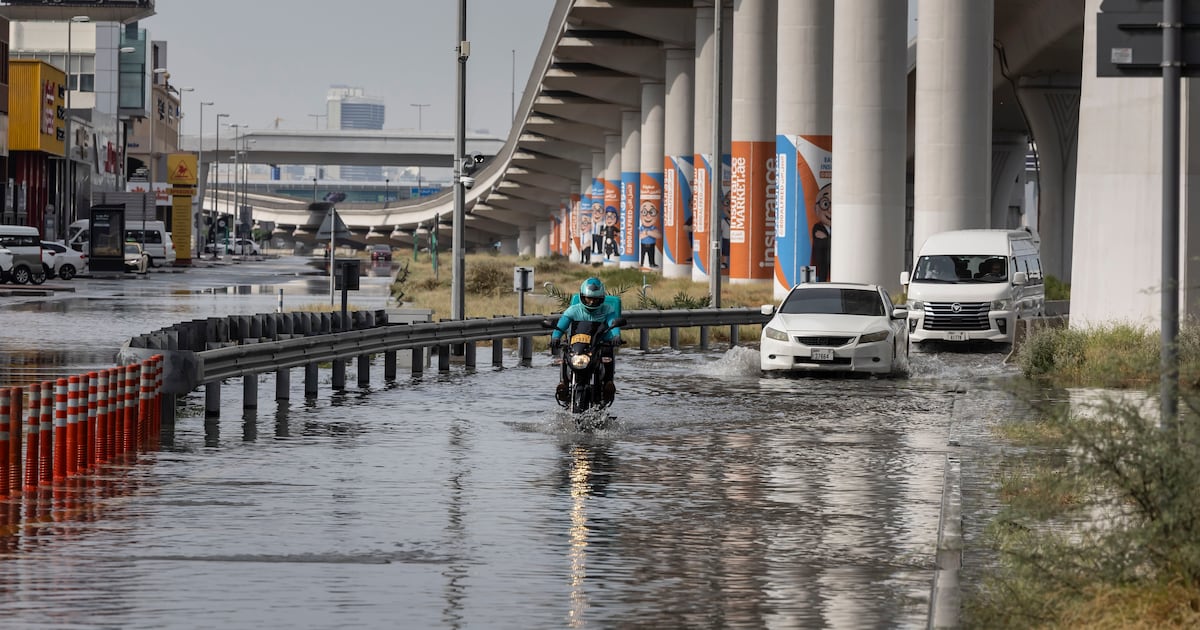

The recent severe weather events across the UAE and Oman underscore the mounting business and economic risks in the MENA region, where climate volatility is increasingly intersecting with financial and infrastructural stability. For the UAE, a global hub for trade, energy, and technology, the prolonged heavy rains and dust storms threaten to disrupt critical sectors such as logistics, aviation, and construction, potentially delaying key infrastructure projects and inflating operational costs. The National Emergency Crisis and Disaster Management Authority’s focus on business continuity plans highlights the growing imperative for sovereign capital allocation to fortify resilience against such disruptions, ensuring that the UAE’s economic pillars—its ports, airports, and energy networks—remain operational amid unpredictable weather. Simultaneously, the region’s sovereign debt markets may face pressure if prolonged instability erodes investor confidence, as seen in the past with Gulf states prioritizing fiscal consolidation over climate adaptation spending.
Venture capital ecosystems in the UAE and neighboring countries are also navigating these challenges, with climate-related risks influencing investment trends. While the UAE’s push for innovation in clean energy and smart cities offers a counterbalance, the immediate impact of extreme weather could deter short-term investments in high-risk, high-reward ventures. For instance, startups in agritech or water management may see increased demand, but the broader tech sector faces uncertainty as supply chains for semiconductors and other critical components face delays. Moreover, regional sovereign wealth funds, such as those in Saudi Arabia and the UAE, are likely recalibrating their portfolios to favor resilient, diversified assets, reflecting a strategic pivot toward climate-proofed investments amid the region’s evolving risk profile.
Regional infrastructure development is at a crossroads, with the UAE’s ambitious megaprojects—like the Riyadh Metro and Abu Dhabi’s Masdar City—facing potential setbacks from recurring weather extremes. These events amplify the need for integrated climate risk assessments in urban planning and energy systems, particularly as the GCC accelerates its shift toward renewable energy and hydrogen production. Collaboration across MENA sovereign states to standardize disaster response protocols and invest in decentralized infrastructure could mitigate future shocks, ensuring that the region’s economic growth remains sustainable. As the UAE and Oman confront these challenges, the financial and technological sectors must align with long-term climate resilience goals, transforming weather-related disruptions into catalysts for innovation and infrastructure modernization.