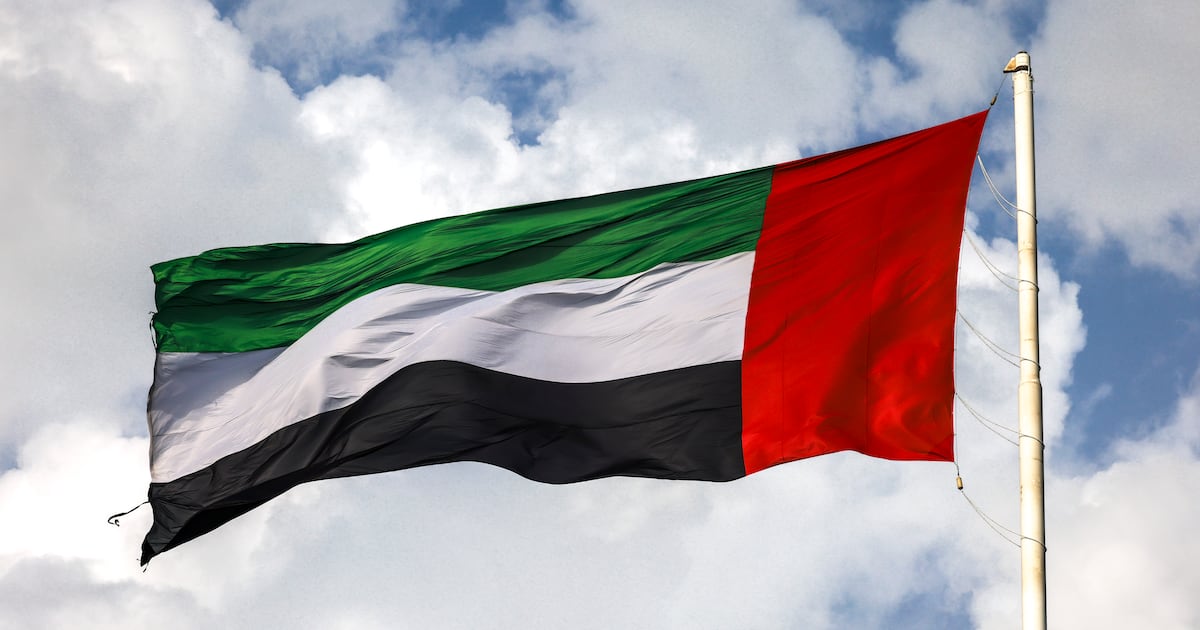

Recent interceptions by the United Arab Emirates—cataloguing 507 ballistic missiles, 24 cruise missiles and 2,191 drones launched from Iran—have brought to the fore the fragility of the region’s critical infrastructure. The episode at Borouge’s Ruwais petrochemicals complex, one of the world’s largest polyolefin producers, highlighted both the destructive potential of asymmetric warfare and the cascading effects on global supply chains. While no casualties were reported, the temporary shutdown of operations raises immediate concerns for downstream industries ranging from plastics to high‑pressure gas pipelines, thereby accelerating volatility in commodity markets.
From a sovereign‑capital perspective, the situation illustrates why Gulf powers are tightening the safeguards around key assets. Our analysis shows that a coordinated defense initiative—integrating air‑space surveillance, cyber‑resilience, and rapid‑response logistics—has already necessitated reallocations of billions of dollars from sovereign wealth funds earmarked for diversification. Moreover, the perception of risk has led several regional sovereign funds to suspend or reduce exposure to hydrocarbon‑linked equities and to accelerate investment in alternative infrastructure such as renewables and digital broadband, thereby re‑balancing their portfolios in line with medium‑term yield and stability imperatives.
Venture capital activity in the MENA fintech and logistics corridors faces a new filing threshold. While pre‑pandemic funding cycles were buoyed by high‑growth speculative bets, the heightened threat environment has constricted capital flows. VC firms are now demanding higher due diligence rigor and risk‑adjusted valuations, particularly in companies whose value chains are exposed to cross‑border logistics hubs. The resulting funding slowdown is forcing mid‑stage start‑ups to pivot toward “defensive” sub‑segments—such as autonomous cargo inspection and resilient supply‑chain analytics—where capital is still attracted by the possibility of high operating leverage and regulatory support.
Finally, the interruption at Borouge underscores the imperative for an integrated resilience framework: a combination of hardened physical infrastructure, smarter supply‑chain routing, and dual‑use deterrence systems. The UAE’s recent procurement of advanced missile‑intercept and counter‑drone platforms—combined with diplomatic dialogues in Madrid and Paris—serves as a bellwether for the broader MENA region’s strategy. For stakeholders spanning sovereign funds, private investors and strategic corporates, the message is clear: robust, adaptive infrastructure is not a luxury but a prerequisite for sustaining the pan‑regional market dynamics that underpin the region’s economic outlook.