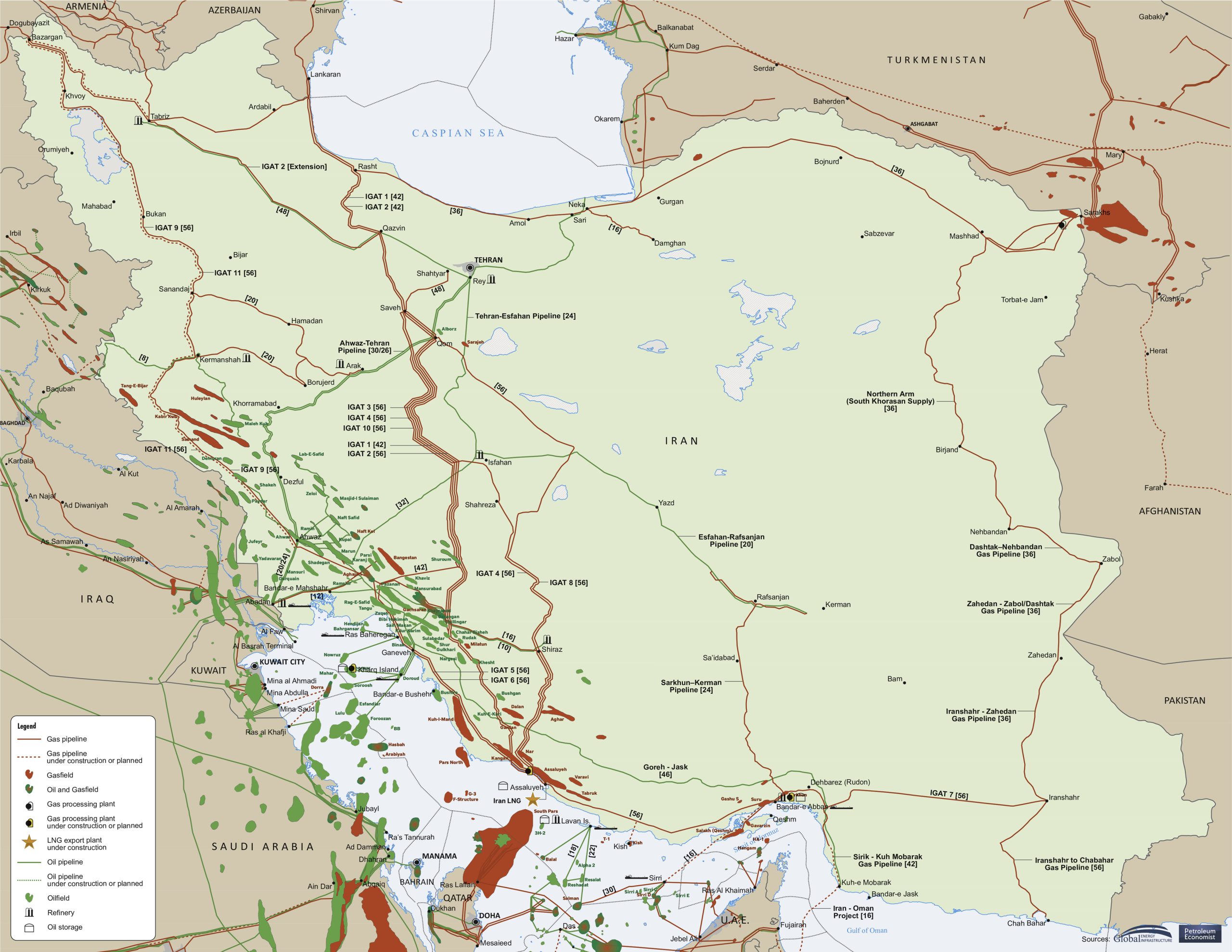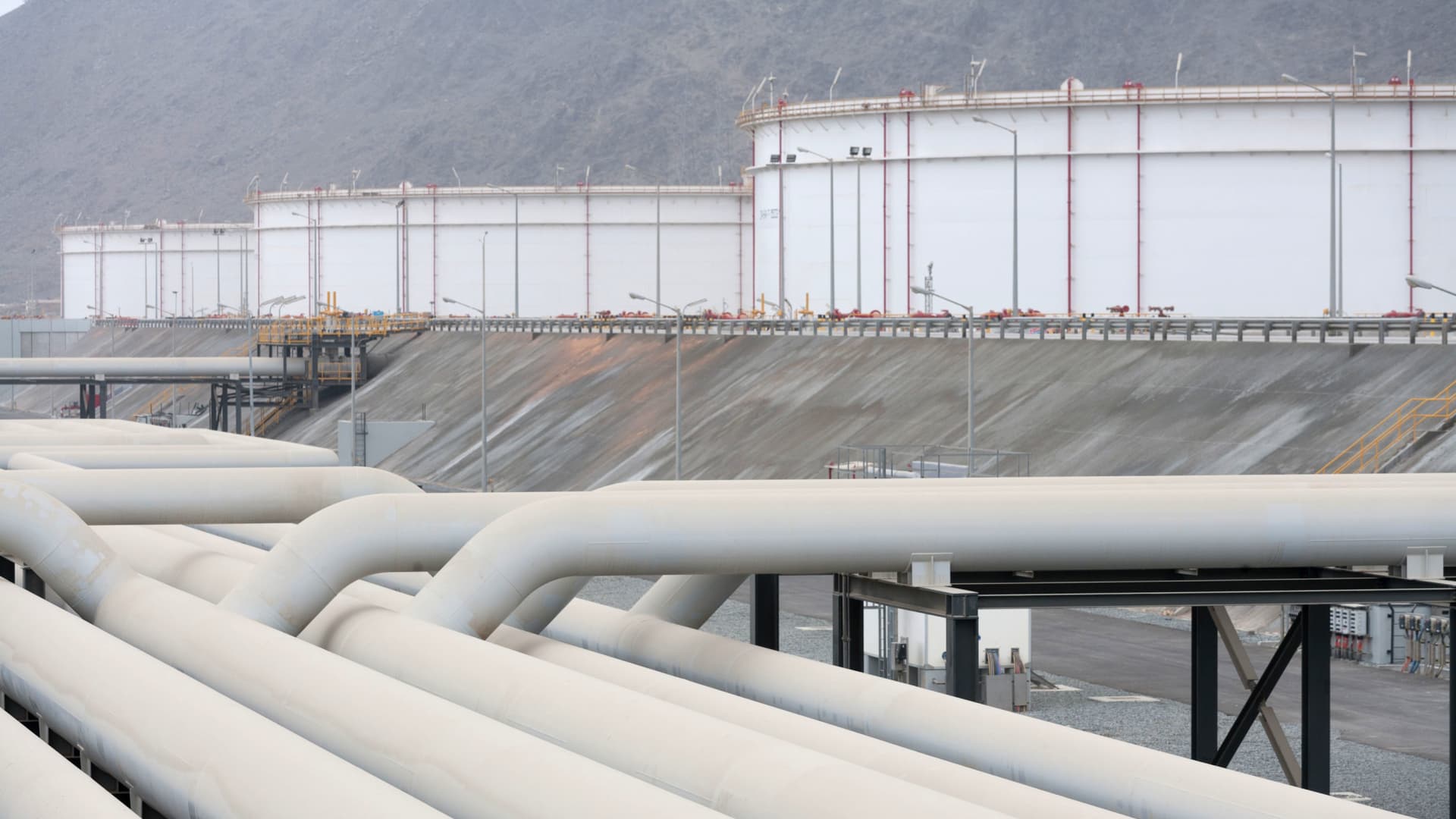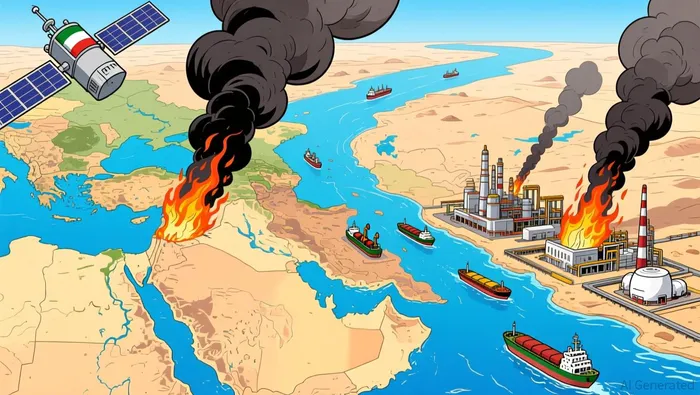

Recent coordinated drone strikes targeting critical energy infrastructure in the United Arab Emirates have inflicted substantial damage, triggering immediate and severe repercussions across the Gulf energy landscape. Simultaneous assaults on the Ruwais West refinery—Abu Dhabi’s 417,000-barrel-per-day processing hub—and the Fujairah oil loading port have precipitated widespread production curtailments. State oil producer ADNOC has responded decisively, slashing national crude output by over 50% from its January baseline, a move that significantly amplifies an existing global supply deficit exacerbated by the effective closure of the Strait of Hormuz.
This crisis represents a profound shock to regional sovereign capital allocation and investor confidence. ADNOC’s production cuts, driven by security imperatives, signal a substantial fiscal loss for the UAE’s sovereign wealth reserves and complicate broader Gulf financial planning. Concurrently, the attacks underscore the acute vulnerability of key energy corridors, forcing a reassessment of infrastructure resilience strategies across MENA. The disruption also creates immediate market volatility, as global traders grapple with the loss of a major hydrocarbon exporter and the resultant strain on refining capacity and logistics.
The cascading effects extend beyond immediate supply; they signal escalating regional instability that threatens long-term infrastructure investment. The pattern of attacks—encompassing Saudi Arabia’s Ras Tanura and Qatar’s LNG facilities—indicates a coordinated strategy targeting vital nodes within the global energy network. This intensifies pressure on sovereign entities and private sector partners to accelerate investments in defensive technologies, cyber-hardening, and diversified export routes, potentially diverting significant sovereign capital towards security infrastructure rather than conventional energy development. The imperative now is a rapid, secure restoration of operations at Ruwais and Fujairah to stabilize markets and prevent further erosion of Gulf energy security.