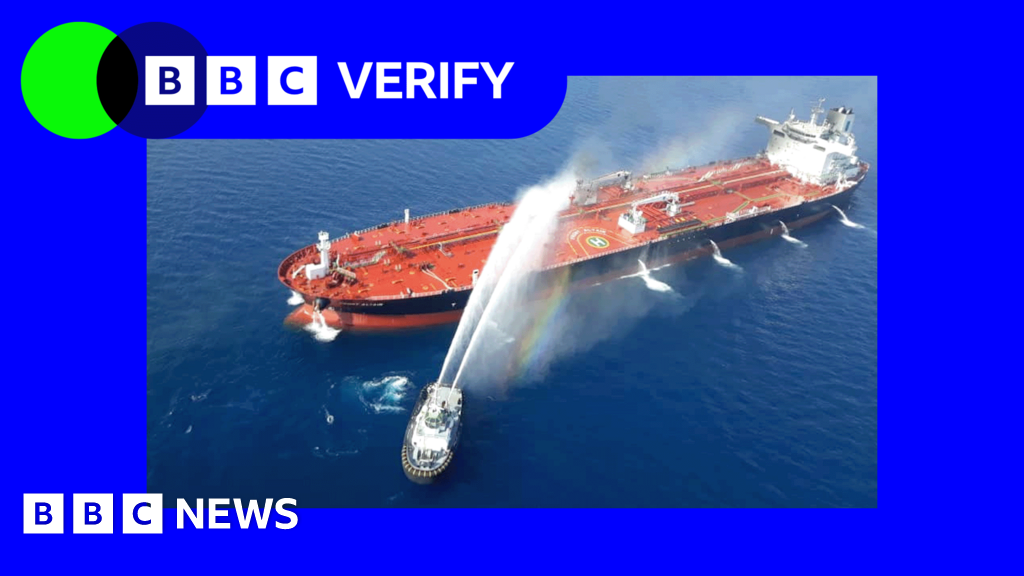

The United Arab Emirates has signaled its potential readiness to participate in a US-led multinational coalition to safeguard the Strait of Hormuz, according to a senior Emirati official. This development arises amidst escalating tensions with Iran, which has effectively closed the vital maritime chokepoint, resulting in significant global economic repercussions. While the UAE has not formally committed forces, its strategic positioning and existing maritime capabilities position it as a key regional partner in any such initiative aimed at restoring freedom of navigation.
The strategic importance of securing the Strait of Hormuz cannot be overstated, as it underpins global energy security and trade flows. With Iran having attacked numerous vessels, including several sunk, and oil prices surging past $100 per barrel, the economic stakes are exceptionally high. Approximately 25% of the world’s seaborne oil and 20% of global liquefied natural gas transit through this narrow waterway, making its stability a matter of paramount concern for consuming nations, particularly within Asia, Europe, and the Middle East. Ensuring its security transcends unilateral action and necessitates a coordinated multinational effort, potentially led by the United States but requiring broad participation to distribute responsibility and resources.
The potential UAE contribution would represent a significant infusion of sovereign capital and regional infrastructure into a nascent security framework. As a major financial hub and sovereign wealth fund custodian within the GCC, the UAE possesses substantial resources and logistical expertise deployable towards maritime security operations, intelligence sharing, or port infrastructure enhancements. This aligns with a broader expectation that nations with deep energy and trade dependencies in the region—highlighted by Dr. Anwar Gargash’s call for China’s involvement—must share the burden. Such cooperation would not only stabilize critical energy supplies but could also foster a more resilient regional security architecture, potentially influencing future infrastructure investments and economic partnerships.