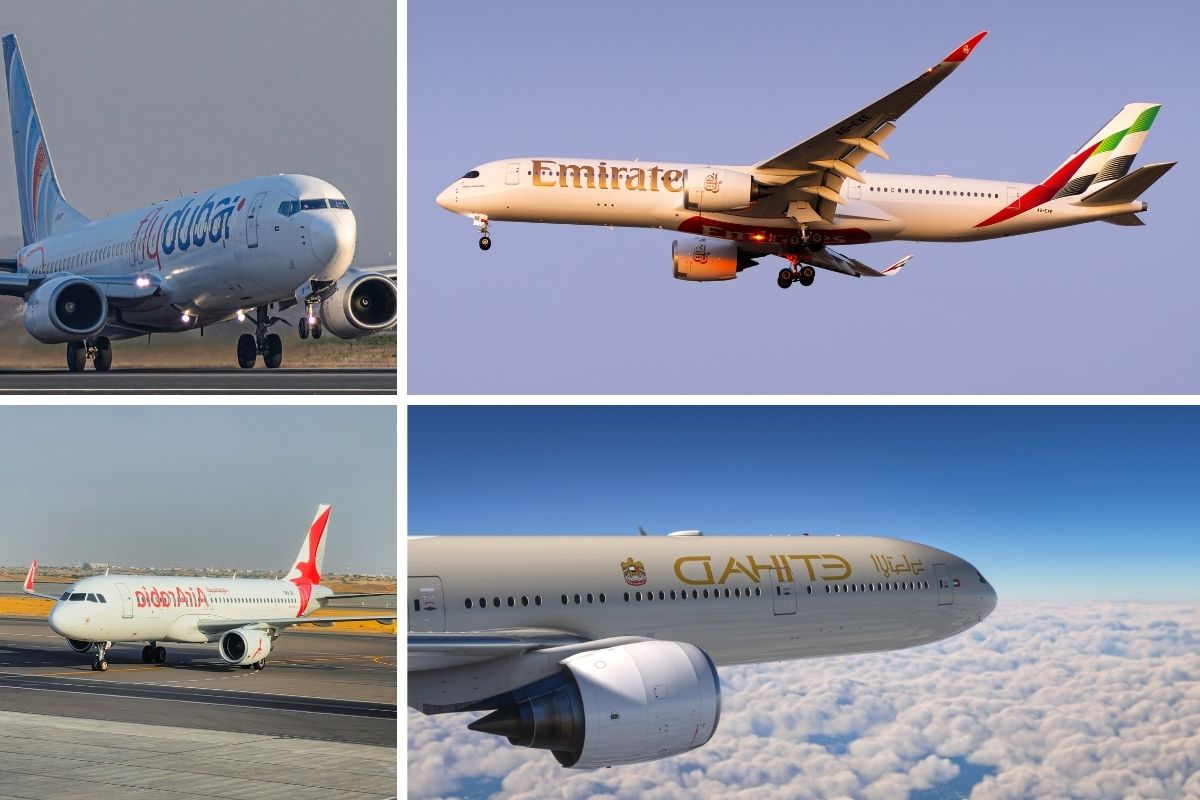

The United Arab Emirates has maintained operational continuity at its primary gateways—Dubai International, Al Maktoum International and Abu Dhabi’s Zayed International—by sustaining a trimmed but functional flight schedule amid heightened regional airspace constraints. While carriers such as Emirates, flydubai and Etihad have instituted provisional rebooking policies and limited ancillary routes, the measured continuity underscores the strategic deployment of sovereign capital to preserve aviation throughput, mitigate revenue erosion and safeguard the nation’s logistics‑connected value chain.
State‑backed financing mechanisms have been activated to reinforce airline liquidity and to underwrite temporary schedule adjustments, reflecting a broader sovereign‑led narrative that treats aviation as a critical infrastructure pillar. This approach not only stabilises cash flows for high‑profile carriers but also reinforces the fiscal credibility of the UAE’s sovereign wealth funds, which continue to earmark capital for aviation infrastructure upgrades and resilient supply‑chain extensions across the wider MENA corridor.
From a venture capital perspective, the disruption has accelerated investment interest in digital flight‑status platforms, dynamic re‑booking engines and alternative routing optimisation tools, sectors that are attracting fresh capital from the region’s rapidly expanding startup ecosystem. Private‑equity funds are also scrutinising ancillary service providers—ranging from ground‑handling technology to AI‑driven passenger flow management—as potential beneficiaries of the shifting operational landscape.
Long‑term, intermittent airspace suspensions are likely to catalyse accelerated sovereign and private‑sector spending on integrated air‑traffic management, diversified routing corridors and hardened logistics hubs that can absorb geopolitical volatility. Consequently, the UAE’s commitment to maintaining open airports becomes a cornerstone for regional connectivity strategies, informing infrastructure blueprints that prioritise resilience, modular expansion and incremental capacity scaling across the MENA air transport network.