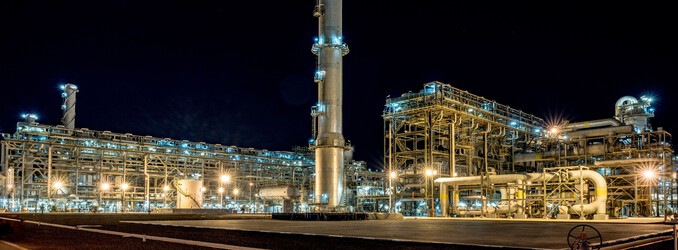

On May 17, 2026, Iranian drone attacks targeting the Shah gas field in Abu Dhabi—a production hub supplying 20% of the UAE’s natural gas and 5% of the global granulated sulfur market—highlight the escalating vulnerability of Gulf energy infrastructure to geopolitical hostilities. Operated by ADNOC Sour Gas (a joint venture with Occidental Petroleum), the field’s temporary suspension underscores sovereign exposure of critical hydrocarbon assets amid worsening regional tensions. Beyond immediate production disruptions, investors are reassessing exposure to Middle East energy ventures, particularly as the UAE’s strategic pivot toward renewable energy coexists with legacy asset risks. The attack also amplifies fiscal pressures on state budgets, as sovereign capital earmarked for infrastructure and subsidy programs may realign toward defense and resilience measures, diverting resources from civilian economic expansion.
Simultaneous disruptions at Fujairah Oil Tanker Terminal (FOTT)—a critical alternative export gateway bypassing the Strait of Hormuz—exacerbate immediate market volatility, as localized strikes force repeated loading suspensions this week. With Hormuz traffic stagnant for 14 days, Fujairah’s status as a de facto Persian Gulf choke point now faces existential threats, forcing logistical recalibration for global refiners. This dual shock—gas production cuts and port instability—signals a broader regional vulnerability where energy infrastructure, historically insulated by desert remoteness, now contends with asymmetric warfare tactics. For venture capital stakeholders, these events accelerate the urgency to enable localized energy storage solutions and cybersecurity frameworks, though political miscalculations around Iran’s dual-use proliferation capacity continue to deter direct investment in Gulf defense tech ecosystems.
The confluence of sovereign imperatives and market exposure necessitates radical regional infrastructure reengineering. Gulf states, long reliant on centralized fossil fuel assets, now face existential calculus: either accelerate diversification through stranded asset monetization or risk sovereign credit downgrades from unmitigated supply shocks. Blockchain-enabled microgrids and AI-driven predictive maintenance systems are emerging as priority areas for strategic venture capital reallocation, yet regulatory inertia and capital preservation instincts slow innovation adoption. As the Middle East’s economic pivot hinges on reconciling petrodollar legacies with post-Hormuz logistics realities, 2026 will define whether the region embraces quantum resilience—leveraging sovereign wealth funds to choke off developmental risks—or continues its precarious balancing act between extractionist models and hybrid energy futures.