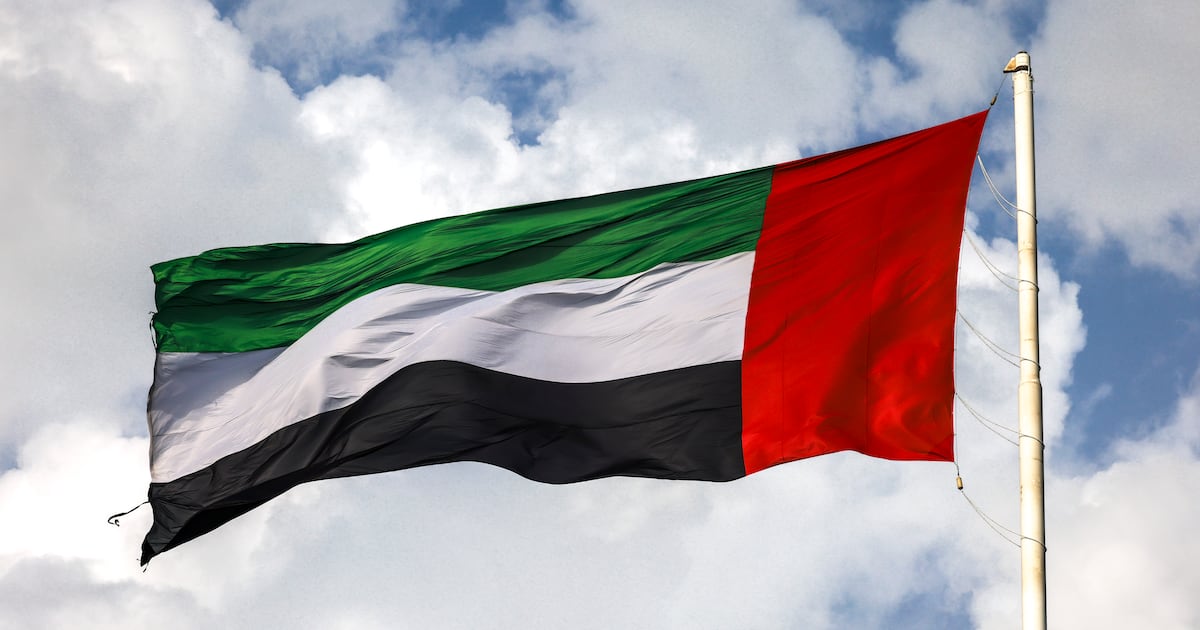

The ongoing escalation in regional tensions has placed unprecedented pressure on sovereign capital frameworks, venture capital ecosystems, and infrastructure planning across the Middle East and North Africa. Persistent maritime and aerial threats directed at Gulf states have precipitated a significant recalibration of strategic priorities, with sovereign entities intensifying investments to safeguard economic lifelines amid heightened volatility. The UAE, as a regional financial anchor and investor, has demonstrated a clear commitment to reinforcing its sovereign capital base, mobilizing not only domestic support but also external partnerships to ensure operational resilience. These developments are further underscored by the venture capital landscape, which is responding to uncertainty through risk-adjusted assessments, channeling resources toward sectors capable of withstanding geopolitical disruptions.
Beyond capital reallocation, the sovereign footprint in this volatile environment has intensified. Gulf sovereign wealth funds are increasingly prioritizing diversification strategies outside traditional asset classes, seeking to insulate portfolios from the destabilizing effects of hostilities. This strategic reorientation reflects a broader recognition that regional instability is a critical risk factor for global financial systems, particularly as foreign direct investment flows are both drawn away from exposed assets and redirected toward more secure jurisdictions. Such capital movement dynamics directly influence sovereign wealth positioning, affecting not only investment returns but also the geopolitical leverage wielded by these states.
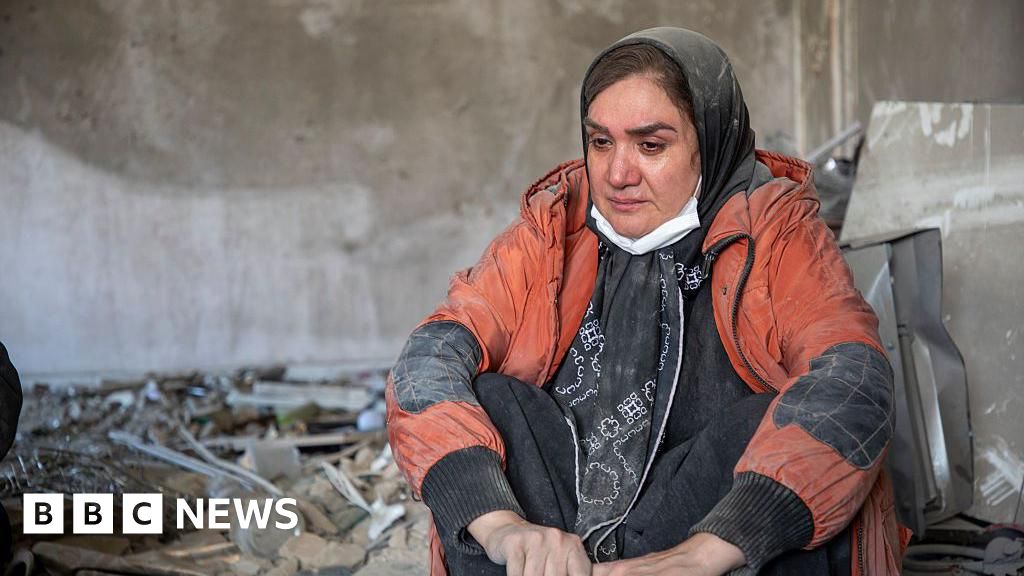
Regional infrastructure remains a core area of strategic concern. The sheer scale of damages, ongoing safety responses, and the humanitarian repercussions of conflict illuminate the fragility of existing physical and digital networks. Investors and policymakers must reassess connectivity, energy security, and technological resilience, recognizing that only through comprehensive, coordinated infrastructure projects can the MENA region build a robust foundation for recovery and long-term stability. In this context, institutional agility and data-driven forecasting become paramount in navigating the complex trade-offs between risk mitigation and growth opportunity.
In sum, the Middle East and North Africa face a defining inflection point where sovereign capital decisions, venture investment rhythms, and infrastructure resilience will collectively dictate the region’s economic future. The imperative for institutional stakeholders is clear: adapt strategies, deepen collaboration, and prioritize foresight to mitigate the multifaceted impacts of this ongoing regional conflict.