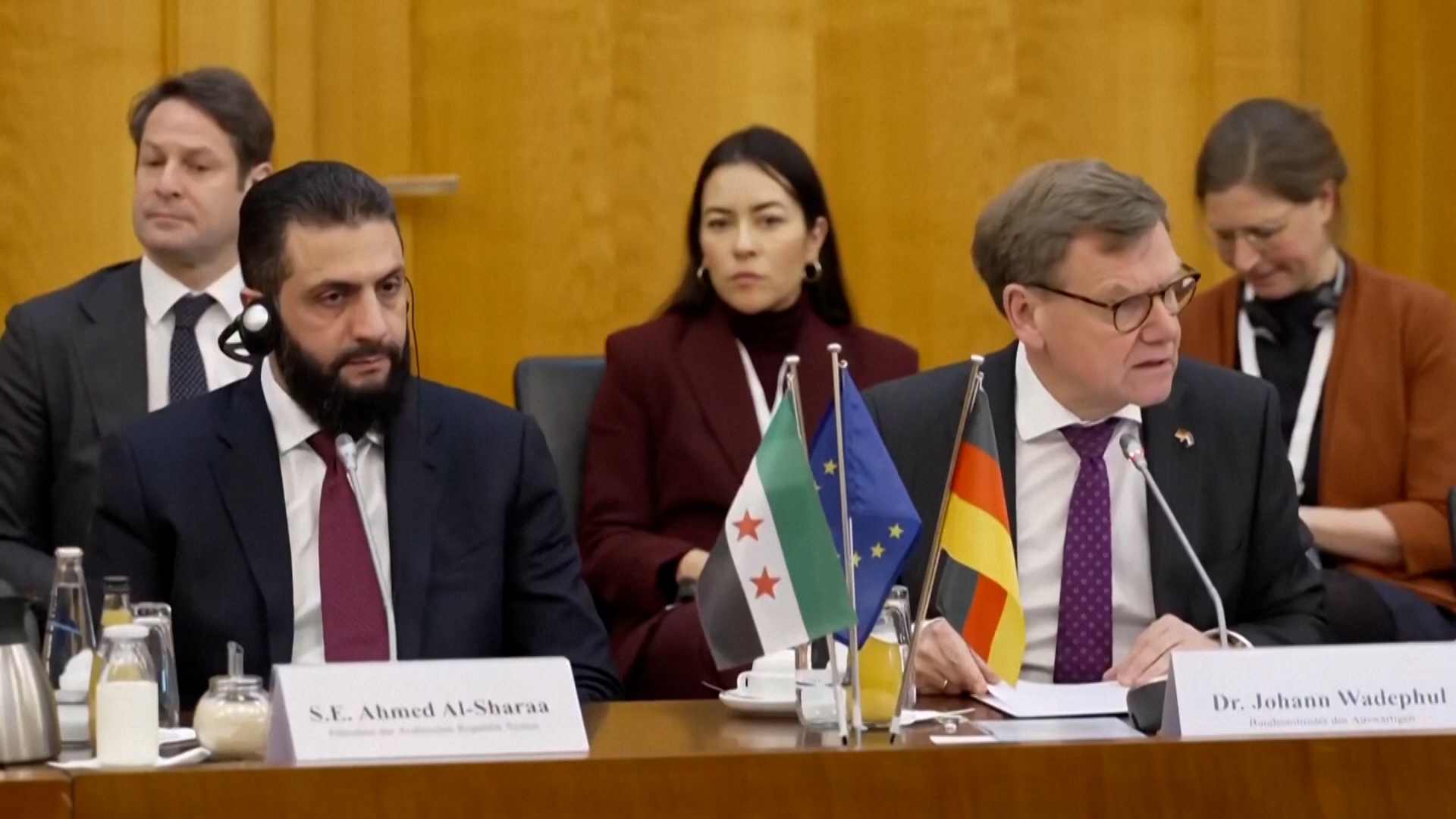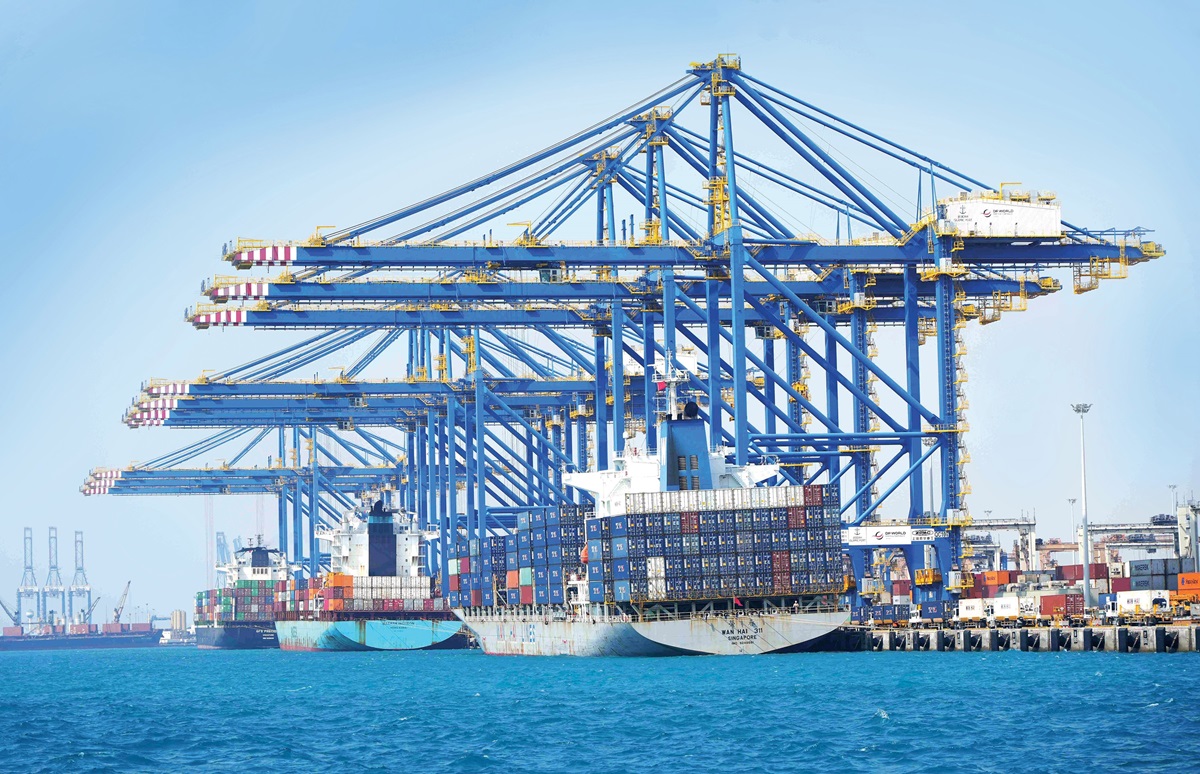

Vladimir Zelenskyy’s unexpected visit to the United Arab Emirates underscores the escalating strategic calculus in the Middle East, with profound implications for regional security, sovereign capital deployment, and cross-border infrastructure development. The discussions, centered on security dynamics amidst persistent conflict and their cascading effects on global shipping lanes critical to MENA energy exports, directly impact sovereign investment strategies in physical and digital infrastructure. The UAE’s position as a global hub makes any disruption a significant concern for its sovereign wealth funds and state-backed enterprises, who are actively diversifying portfolios away from traditional Western assets into more resilient regional holdings. The implicit security assurances sought by Ukraine from Gulf states also signal a potential shift in how sovereign capital might be deployed to underpin stability in strategically vital areas.
The defense cooperation agreements, notably with Qatar and reported intentions involving Saudi Arabia and the UAE, represent a significant pivot in regional security architecture with direct economic repercussions. These agreements, focusing on advanced missile and drone defense technology, necessitate substantial sovereign investment in cutting-edge defense infrastructure and related cyber-physical systems. This development opens avenues for venture capital deployment in specialized defense tech startups within the MENA region, particularly leveraging Emirati and Qatari sovereign capital. Furthermore, the exchange of technological expertise could catalyze joint ventures and industrial partnerships, fostering a new sector within the regional economy and enhancing the technological sovereignty of participating states through indigenous capabilities development.
The reaffirmation of the UAE-Ukraine Comprehensive Economic Partnership Agreement during these talks highlights the potential for increased bilateral trade and investment flows, particularly in sectors like agriculture, technology, and renewable energy, contingent on regional stability. This aligns with broader MENA trends of seeking alternative trade corridors and economic partnerships to reduce vulnerability to traditional Western-centric supply chains and geopolitical shifts. The infrastructure implications are multifaceted: securing critical maritime routes underpins energy infrastructure investment, while the demand for sophisticated defense systems drives related infrastructure—smart grids for energy security, advanced logistics hubs for supply chain resilience, and resilient communications networks. Sovereign wealth funds and strategic investors are likely to prioritize projects that enhance these interconnected facets of regional stability and economic competitiveness.