
The United Arab Emirates, anchored byAbu Dhabi’s sovereign wealth and state‑controlled energy conglomerates, has engineered a resilient export architecture that bypasses the Strait of Hormuz through the 360‑kilometre Habshan‑Fujairah pipeline. With a transport capacity of 1.5‑1.8 million bpd, the conduit feeds directly into the Fujairah hub—a multi‑million‑barrel storage and bunkering complex that now serves as one of the world’s largest marine fuel terminals. This infrastructure provides a strategic redundancy that cushions global oil markets against geopolitical shocks and positions Abu Dhabi as a critical swing supplier within the broader MENA region.
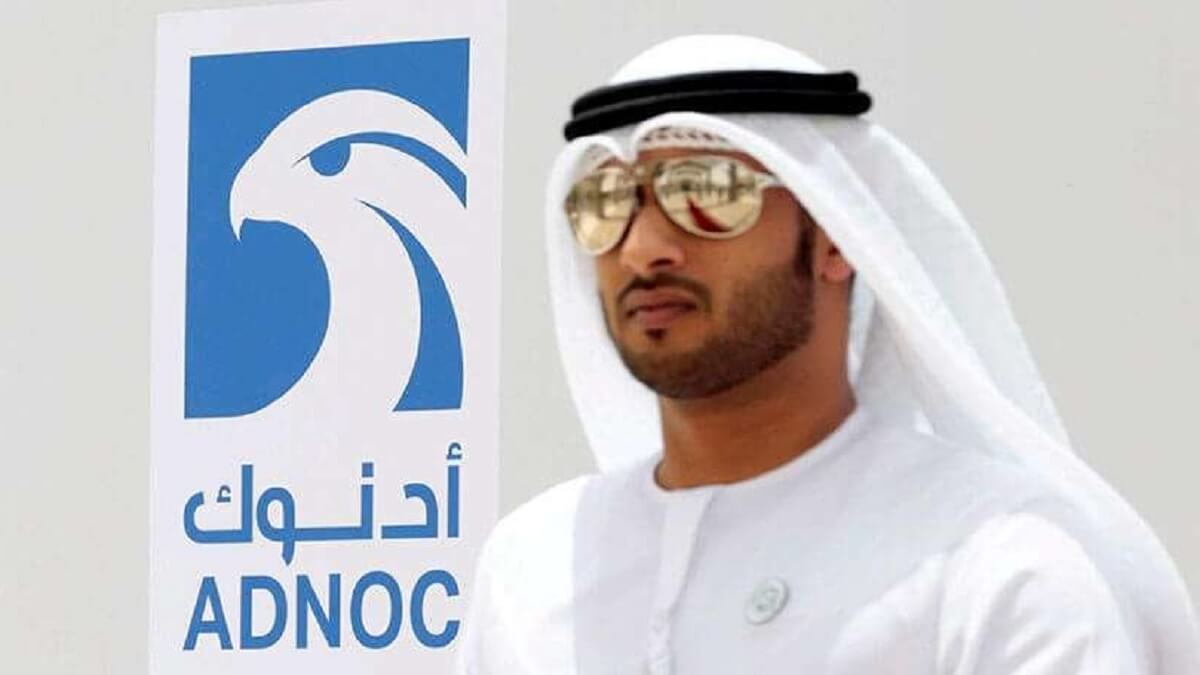
Behind this logistics edge lies an aggressive capital deployment model driven by Abu Dhabi’s sovereign investors—ADIA, Mubadala, and IHC—whose portfolios now allocate sizable stakes to both hydrocarbon expansion and high‑growth clean‑energy ventures. Through ADNOC’s expansion to 5 million bpd by the end of the decade and Masdar’s 100 GW renewable portfolio, billions of sovereign and venture capital dollars are funneled into scalable energy projects, reinforcing the UAE’s dual‑track strategy of maintaining low‑cost crude while advancing hydrogen, solar, and wind technologies.
The implications for regional infrastructure extend beyond Abu Dhabi. Planned capacity expansions of the Fujairah terminals and associated pipelines will deepen the hub’s storage and blending capabilities, while attracting multinational oil traders, insurers, and logistics firms seeking stable supply chains. This diversification reduces the Gulf’s collective dependence on Hormuz, enhances regional energy security, and creates a magnet for foreign direct investment across the wider MENA ecosystem, from Egyptian port upgrades to Saudi logistics corridors.
Consequently, Abu Dhabi’s blend of reliable hydrocarbon output, developed spare‑capacity buffers, and forward‑looking renewable investments constitutes a strategic asset that reverberates through global markets and regional development agendas. By acting simultaneously as a secure crude supplier, a logistical conduit, and a capital catalyst for clean‑energy ventures, the UAE is reshaping the architecture of energy security and positioning itself at the nexus of future Middle Eastern economic growth.