
The ongoing diplomatic and security volatility between regional powers, particularly the escalating US-Iran conflict, continues to exert profound pressure on the financial architecture of the Middle East and North Africa. As a key pillar of regional stability, sovereign capital flows remain deeply intertwined with geopolitical developments, amplifying the urgency for strategic foresight among institutional investors and financial architects. The ripple effects are now underscoring not only market volatility but also altering the dynamics of investor confidence, as capital increasingly seeks safer repositions amid heightened risk exposure.
Venture capital activity in the MENA region has experienced a discernible recalibration, with funding corridors responding to macro-risk signals. Investors are recalibrating risk parameters, favoring sectors with defensible cash flows and operational resilience, notably those in digital infrastructure, renewable energy, and resilient logistics. The sovereign capital landscape sees heightened scrutiny, as governments prioritize strengthening infrastructure resilience in alignment with regional security imperatives. This reallocation is not merely a defensive maneuver but a structural shift, embedding adaptation into the core strategy of regional financial institutions.
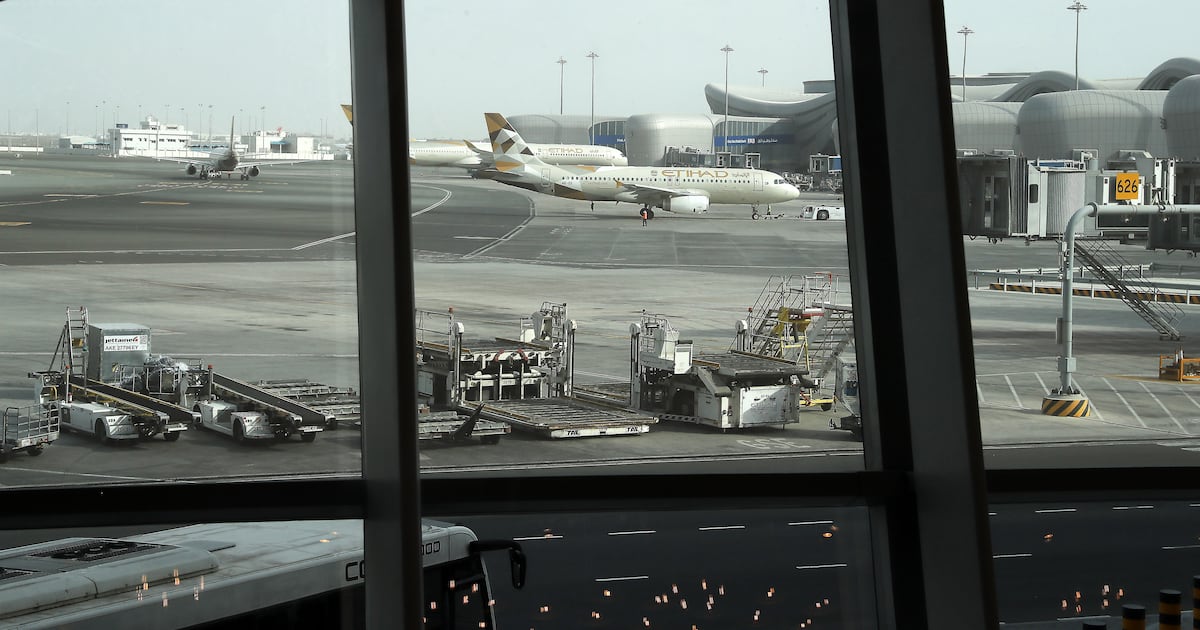
Infrastructure development, spanning transport, energy, and technology, is now framed within the broader context of crisis management and long-term sustainability. Regional hubs such as Abu Dhabi and Dubai, enduring the bombardment of both air and cyber threats, exemplify the imperative for fortified investments and robust public-private partnerships. Simultaneously, the aviation sector faces sustained disruption, with airlines recalibrating their global route strategies to anticipate the lingering impacts of geopolitical instability. These developments collectively signal an era where the Middle East and North Africa must reconcile immediate risk mitigation with visionary investments anchored on stability—a condition that will define the next phase of their economic evolution.
The interplay among sovereign finance, capital markets, and regional infrastructure initiatives underscores a fundamental shift: resilience is no longer an ancillary concern but the central metric by which success is measured. As institutions adapt, the MENA region stands at a critical juncture, its ability to harness opportunity amid uncertainty will determine its standing in the evolving global financial landscape.