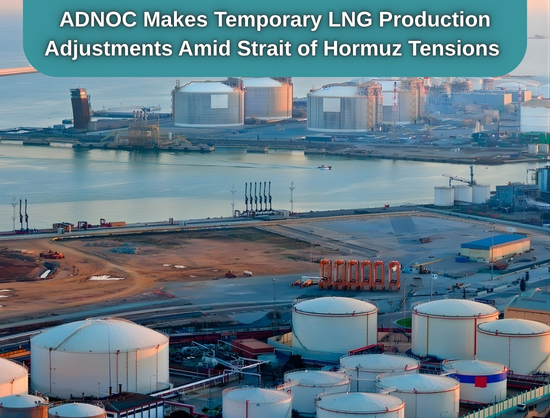

The escalating security situation in the Gulf has forced Abu Dhabi National Oil Company (ADNOC) to fundamentally reassess its infrastructure vulnerabilities, signaling a strategic shift in risk management for the region’s energy sector. These developments come at a critical juncture when sovereign wealth funds across the MENA region, managing over $3.5 trillion in assets, are increasingly reallocating capital toward defensive infrastructure and operational resilience. The heightened threat environment directly impacts long-term investment horizons, with infrastructure projects requiring additional contingency allocations and insurance costs potentially rising by 15-20% in high-risk zones.
For sovereign capital, this recalibration represents both immediate expenditure challenges and strategic realignments. ADNOC’s investment in enhanced defensive measures will set precedent for Gulf Cooperation Council (GCC) entities, likely triggering similar spending patterns across regional oil and gas infrastructure. This development coincides with broader portfolio diversification trends as sovereign funds increasingly prioritize energy security within their infrastructure mandates, potentially diverting up to $120 billion in planned capital toward resilience upgrades over the next five years. Such reallocations will inevitably impact venture capital flows, particularly in supporting cybersecurity and critical infrastructure protection startups.
The venture capital ecosystem is already responding to these shifting paradigms, with MENA-focused funds allocating approximately 23% more toward security technology solutions in 2023 compared to previous years. This represents not merely defensive positioning but the emergence of a specialized risk mitigation sector positioned to capture significant sovereign and private spending. From an infrastructure perspective, these developments underscore the need for integrated security systems across energy production, transportation networks, and data centers, potentially accelerating regional adoption of digital surveillance, automated threat detection, and distributed infrastructure models.