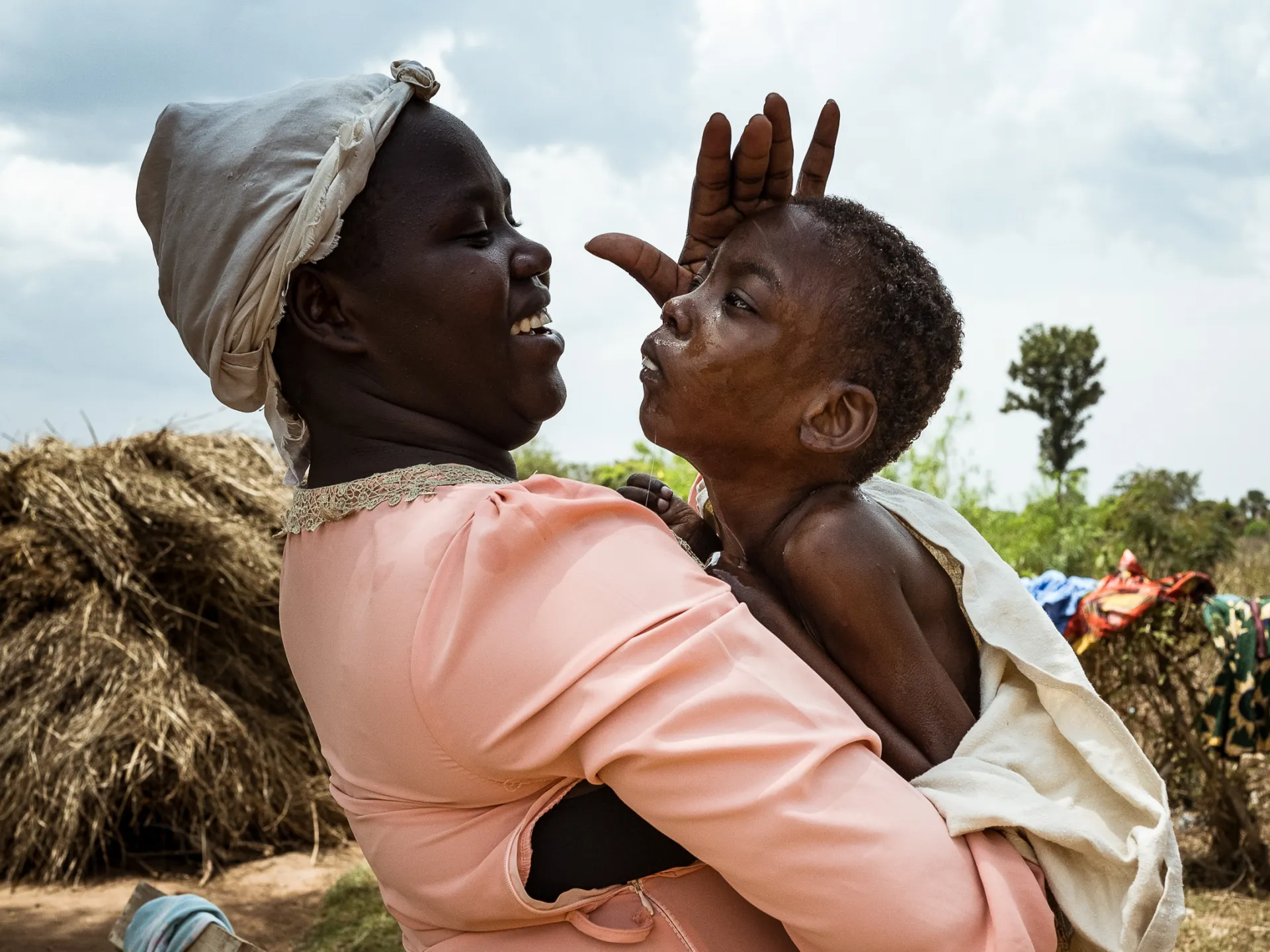

The profound human tragedy unfolding in rural Uganda—where a young mother grapples with the dual burdens of poverty and an undiagnosed child disability—illuminates a systemic chasm in social infrastructure that resonates powerfully across the Middle East and North Africa. For MENA policymakers and investors, this narrative is not distant but a diagnostic of latent risks within their own demographic and economic models. The region’s sovereign wealth funds and corporate giants must now confront the stark reality that unchecked deficiencies in healthcare and social services directly undermine workforce productivity, fiscal sustainability, and long-term geopolitical stability, thereby posing material threats to diversified investment portfolios.
MENA’s sovereign capital, particularly from Gulf Cooperation Council (GCC) states, is increasingly being deployed toward health and human development, yet often with a geographic bias that overlooks neighboring North Africa. Funds such as Saudi Arabia’s Public Investment Fund and the Qatar Investment Authority are channeling resources into pan-African health infrastructure, but their strategies require sharper focus on scalable, community-based care models that address diagnostic and support gaps like those seen in Uganda. This is a strategic imperative: building resilient health ecosystems in frontier markets adjacent to MENA secures supply chains, mitigates regional contagion from public health crises, and creates captive markets for future technology exports, thereby enhancing sovereign asset diversification beyond hydrocarbons.
The venture capital landscape in MENA is witnessing a corresponding, albeit nascent, surge in health tech innovation—from Cairo-based telemedicine platforms to Dubai’s AI diagnostics hubs. However, these ventures face a critical bottleneck: the absence of integrated regional infrastructure, from broadband penetration in rural areas to harmonized regulatory frameworks for cross-border care. The story of Aaron’s undiagnosed condition underscores a market failure in early detection and continuous support, a gap that venture capital must address through solutions that combine technology with last-mile service delivery. Investors should prioritize startups that secure partnerships with sovereign development entities to de-risk rollout and align with national visions like Saudi Vision 2030 or Egypt’s Sustainable Development Strategy, which explicitly link human capital health to economic transformation.
Ultimately, the business impact of inaction is quantifiable: impaired human capital constricts MENA’s demographic dividend, inflates public health expenditures, and deters foreign direct investment in sectors reliant on a healthy labor pool. Sovereign and institutional investors must therefore audit their portfolios through a “social infrastructure lens,” reallocating capital toward projects that yield both financial returns and measurable improvements in maternal and child health outcomes. The region’s infrastructure boom—from smart cities to logistics networks—will be rendered obsolete without parallel investment in the foundational health systems that sustain it. This dual mandate is no longer optional but a fundamental tenet of responsible capital allocation in a competitive global economy.