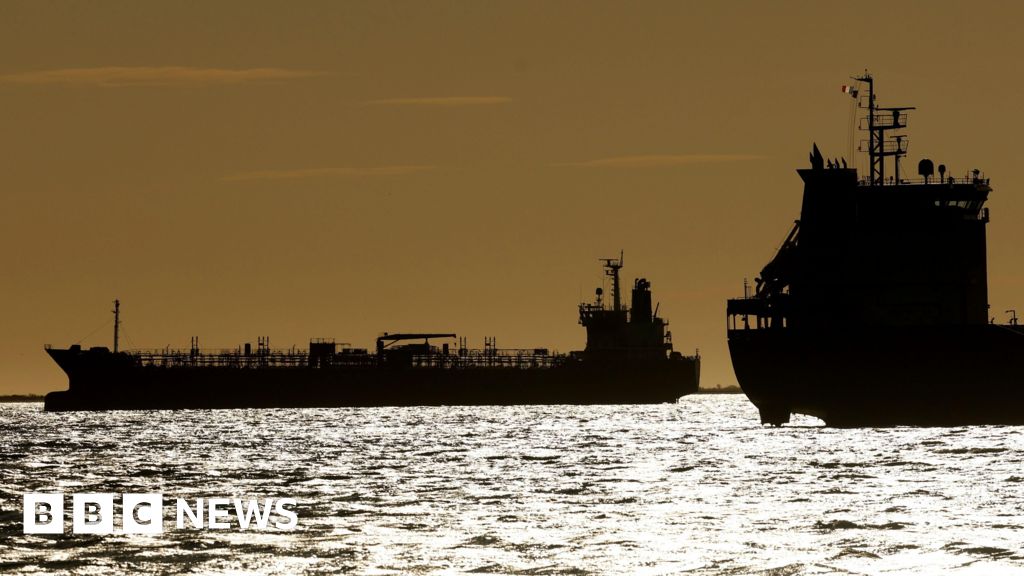

The United Kingdom has authorizedUS military operations from its airbases for “defensive” strikes against Iranian missile capabilities in the vital Strait of Hormuz, marking a significant escalation in the regional conflict. This decision, announced by Prime Minister Keir Starmer’s office, permits US forces stationed at RAF Fairford and Diego Garcia to degrade Iranian infrastructure targeted against Gulf shipping. Such actions underscore the escalating geopolitical volatility threatening a critical global energy chokepoint, with immediate repercussions for international commodity markets and regional stability. The UK’s move reflects a collective security imperative, explicitly framed as countering Iran’s “reckless strikes” that exacerbate regional economic insecurity and global energy volatility, impacting sovereign wealth funds and economic policy across the Middle East and North Africa (MENA).
Sovereign capital across the MENA region faces heightened scrutiny amid this conflict. Iranian assets abroad, particularly in banking and energy sectors, are increasingly vulnerable to seizure or sanctions escalation. Conversely, Gulf Cooperation Council (GCC) sovereign wealth funds (SWFs) and central banks, traditionally regional stabilizers, may see accelerated diversification of holdings away from regional risk zones, reinforcing capital flight towards perceived safe havens. This geopolitical friction accelerates capital reallocation strategies, impacting sovereign credit profiles and investment priorities within MENA SWFs, which are now prioritizing geopolitical risk mitigation alongside return objectives.
Venture capital (VC) activity in MENA faces a critical inflection point. Traditional reliance on sovereign-backed funds is being tested by operational disruptions and security uncertainties. VCs are likely to adopt a more cautious posture, prioritizing investments in digital infrastructure, cybersecurity, and renewable energy – sectors offering resilience against supply chain disruptions and enhanced security requirements. While regional VC ecosystems demonstrate resilience, this conflict underscores the need for deeper integration with global markets to mitigate isolated risk exposure, potentially slowing cross-border deals and increasing due diligence complexity, particularly concerning Iranian-linked entities or assets within MENA jurisdictions.
Regional infrastructure, particularly energy corridors and maritime routes, confronts acute strain. The closure of the Strait of Hormuz, a primary artery for MENA oil exports, has already triggered global price spikes and diverted shipping routes, imposing additional costs on energy-exporting nations and disrupting supply chains. Critical infrastructure projects, already hampered by funding constraints and security concerns, now face intensified pressure from potential attacks or heightened security requirements. This scenario amplifies the urgency for MENA governments and international partners to invest in resilient alternatives, such as pipelines and enhanced maritime surveillance networks, while simultaneously grappling with the financial burden of increased security expenditures across ports and energy facilities.