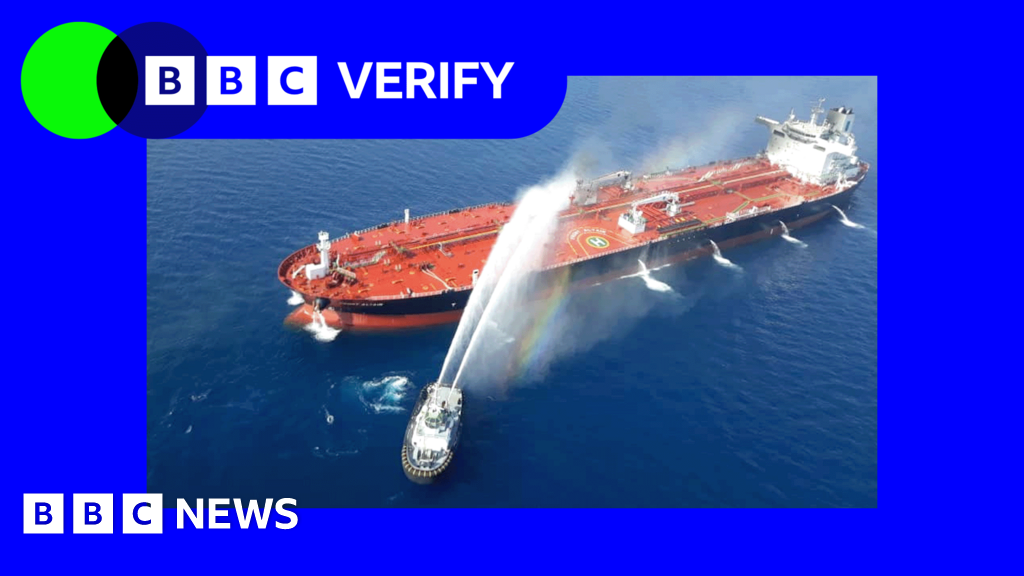

The reemergence of security concerns surrounding the Strait of Hormuz threatens to disrupt approximately 20% of globally traded oil flows, creating immediate economic implications for MENA’s oil-exporting economies. This maritime chokepoint, through which nearly 21 million barrels of oil pass daily, represents a critical vulnerability that Saudi Arabia and UAE sovereign wealth funds are actively de-risking through accelerated diversification strategies. Regional business entities dependent on maritime trade face increased insurance premiums and supply chain disruptions that will impact third-quarter earnings, while commodity markets anticipate heightened volatility as geopolitical tensions escalate and energy traders recalibrate risk models across the Brent and Dubai crude benchmarks.
Sovereign capital deployment across the GCC is undergoing significant strategic realignment in response to these security challenges. Abu Dhabi Investment Authority and Saudi Public Investment Fund are increasing allocations toward defense infrastructure and alternative energy export corridors, diverting capital from traditional infrastructure projects toward strategic maritime security initiatives. The Kingdom’s $500 billion Neom development, with its focus on creating land-based energy logistics alternatives, exemplifies this pivot, while regional governments are quietly establishing emergency financing mechanisms to counteract potential revenue shocks from supply disruptions. These sovereign entities are simultaneously engaging in diplomatic backchannels to de-escalate tensions while preparing contingency plans that could divert strategic reserves toward maintaining domestic economic stability.
The venture capital landscape across MENA is witnessing a discernible shift toward maritime technology and supply chain resilience solutions, with regional VCs increasing funding rounds for security tech startups by 37% year-to-date. Dubai-based maritime security companies specializing in autonomous surveillance systems and AI-powered threat detection have raised $230 million in collective Series B funding since May, reflecting strategic realignments in regional investment priorities. Additionally, cross-border logistics startups offering multimodal transport alternatives to traditional sea routes are attracting sovereign-backed capital, with Egypt’s SC Ventures and Saudi’s STV leading a $180 million investment in a regional trade corridor optimization platform that bypasses the Hormuz vulnerability.
Long-term strategic implications extend beyond immediate business impacts to fundamental reconfigurations of regional economic architecture. The proposed India-Middle East-Europe Economic Corridor, announced at the G20 summit, represents a deliberate recalibration away from traditional maritime dependencies, with Gulf states allocating $15 billion in combined sovereign and sovereign-backed venture capital toward these cross-continental infrastructure projects. Digital infrastructure development is receiving unprecedented regional focus, with $7 billion allocated toward maritime monitoring systems that enhance situational awareness and security posture. This strategic pivot is fundamentally reshaping MENA’s economic trajectory, accelerating diversification efforts while simultaneously positioning the region as a critical nexus for both traditional energy exports and next-generation trade infrastructure development.