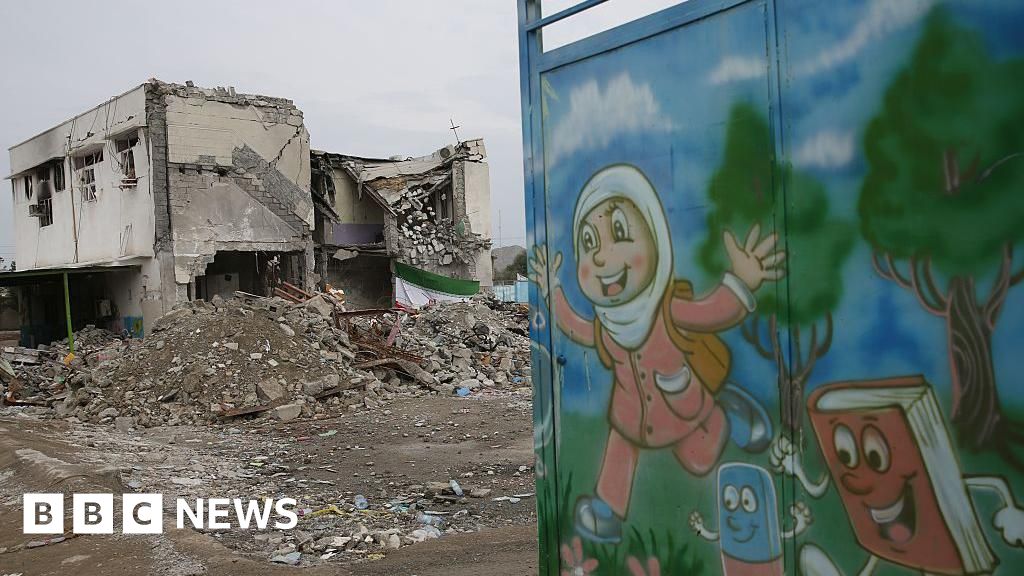

The devastating events in Gaza, resulting in a tragic loss of life – with at least 168 fatalities, many of them children – are poised to significantly reshape the economic and technological landscape of the Middle East and North Africa. Beyond the immediate humanitarian crisis, the conflict presents profound implications for regional investment flows, sovereign wealth management strategies, and the trajectory of technological development across the region. The immediate impact will be felt in tourism, a vital sector for many MENA economies, as travel to the area is understandably curtailed. Longer term, the heightened geopolitical risk will likely deter foreign direct investment and potentially trigger capital flight, disrupting planned infrastructure projects and impacting economic growth forecasts.
Sovereign wealth funds (SWFs) throughout the MENA region will be compelled to reassess their investment portfolios in light of the increased volatility. The conflict underscores the fragility of regional stability and the inherent risks associated with investments in politically sensitive areas. Expect a shift towards greater risk aversion and a potential reallocation of capital towards more stable markets, particularly within Asia and potentially Europe. While some SWFs may continue to pursue strategic investments in sectors like defense and security, overall investment appetite, especially in sectors reliant on cross-border trade and tourism, is likely to diminish in the short to medium term. The conflict also serves as a stark reminder of the need for increased diversification away from reliance on hydrocarbon revenues.
The venture capital ecosystem in MENA faces a complex challenge. While innovation continues to thrive, the heightened uncertainty may make investors more cautious, particularly those with a global focus. Funding rounds may slow, and valuations could come under pressure. However, the crisis could also stimulate investment in areas like cybersecurity and resilience technologies, as governments and businesses prioritize safeguarding digital infrastructure and protecting against potential cyberattacks. Furthermore, the conflict may accelerate the adoption of alternative technologies and solutions, such as localized supply chains and digital platforms, contributing to regional technological self-sufficiency and reducing dependence on external dependencies. This shift could, paradoxically, create new investment opportunities in certain sectors.
Infrastructure projects across the MENA region, many of which are strategically vital for economic integration and regional connectivity, are also facing headwinds. Funding for ambitious initiatives in transportation, energy, and communications may be delayed or scaled back as investors prioritize risk mitigation. The disruption to trade routes and supply chains, coupled with increased geopolitical instability, could lead to higher project costs and longer completion times. The long-term implications will depend heavily on the duration and intensity of the conflict, as well as the response of international actors. However, the crisis undeniably highlights the need for greater regional cooperation and resilience in infrastructure development, as well as a proactive approach to managing geopolitical risk in investment decisions.