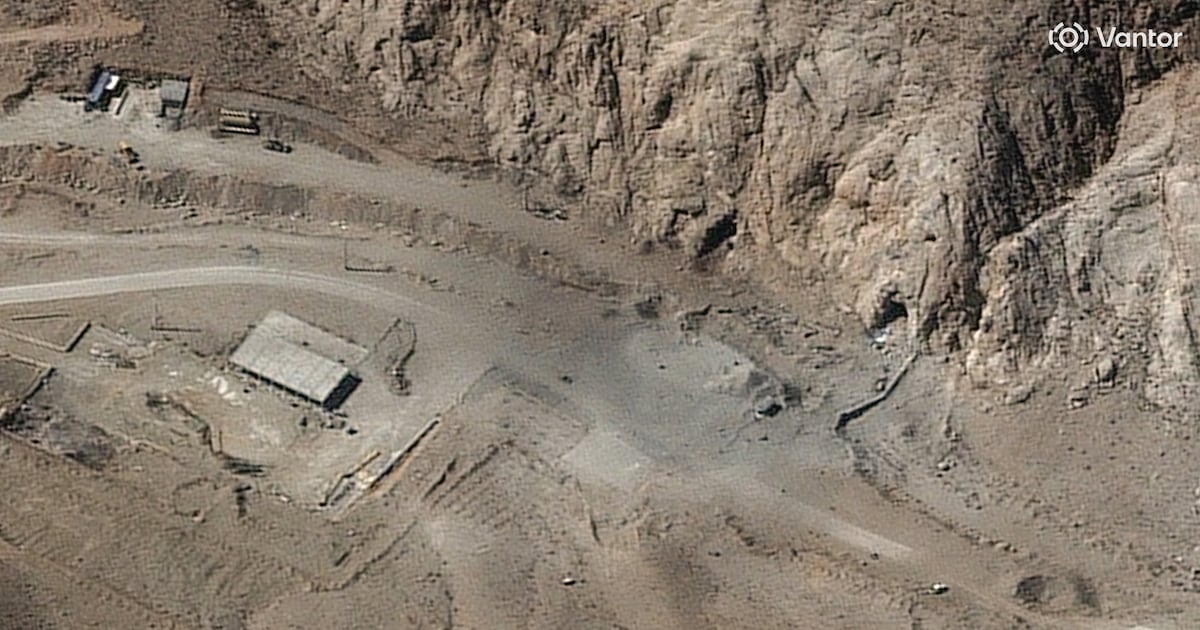

Iran’s recentdisclosure of a new underground uranium enrichment complex at Isfahan represents a significant escalation in its nuclear activities, with profound implications for regional security dynamics and broader economic considerations, according to senior regional analysts. While the International Atomic Energy Agency (IAEA) confirms the facility’s existence, director-general Rafael Grossi emphasized the critical uncertainty surrounding its operational status. “It is underground, but we haven’t visited it yet,” Grossi stated, highlighting the absence of definitive evidence regarding the presence of operational centrifuges or the facility’s readiness. This opacity directly complicates international verification efforts, placing additional strain on diplomatic channels already tested by regional conflict.
The strategic and financial ramifications are substantial. The discovery of this purported fourth enrichment plant underscores the regime’s continued pursuit of nuclear capabilities, irrespective of international concerns. Analysts note that Iran currently holds an estimated 440kg of 60% enriched uranium – material sufficient, in theory, to rapidly produce sufficient weapon-grade uranium (90%) for approximately ten nuclear devices. This capability, while contested by Iranian leadership, fuels persistent security anxieties, particularly for Israel and the United States. Consequently, sanctions regimes targeting Iran’s nuclear and missile programs remain a core component of regional and global non-proliferation strategies. The uncertainty surrounding Isfahan acts as a persistent drag on regional stability, impacting foreign direct investment (FDI) flows into the MENA basin and influencing sovereign risk assessments by financial institutions and institutional investors. Venture capital and private equity activity in sectors like energy, technology, and infrastructure within the wider Middle East often remains sensitive to these geopolitical flashpoints.
The ongoing conflict and lack of IAEA access exacerbate infrastructure challenges. Critical sites like Natanz, previously attacked last year, continue to face vulnerabilities, while the new Isfahan facility’s status remains unverified. This environment hinders long-term planning and investment in Iran’s nuclear energy sector and related downstream industries. Grossi’s call for renewed negotiation frameworks gains urgency, as persistent hostilities impede technical cooperation essential for confidence-building. Resolving the Isfahan question is not merely a technical IAEA issue; it represents a pivotal factor determining the trajectory of sanctions, potential sanctions relief negotiations, and the overall risk calculus for regional economic partnerships. The path forward necessitates unprecedented transparency from Tehran and robust, sustained diplomatic engagement to mitigate the profound economic uncertainties shadowing the MENA region.