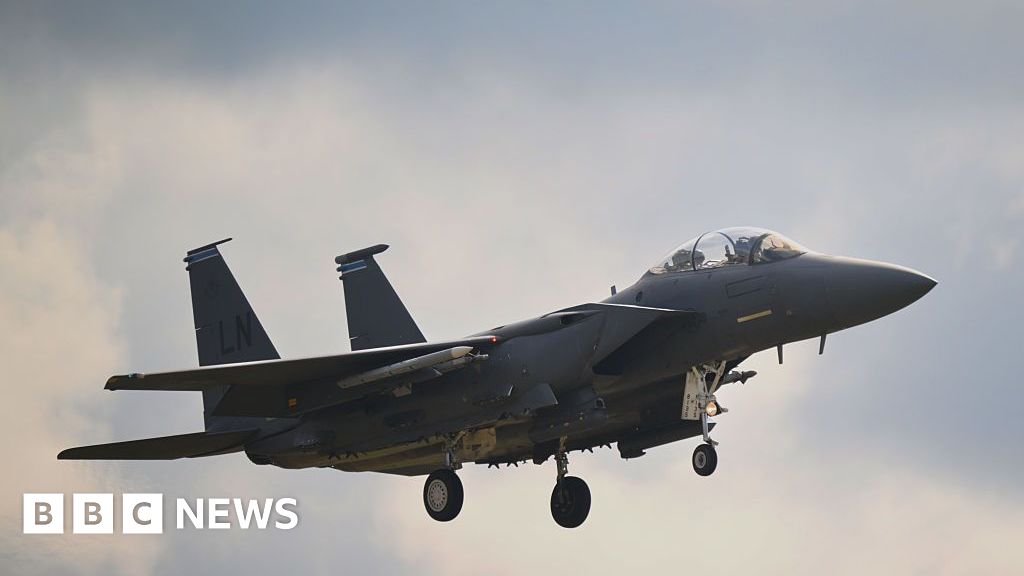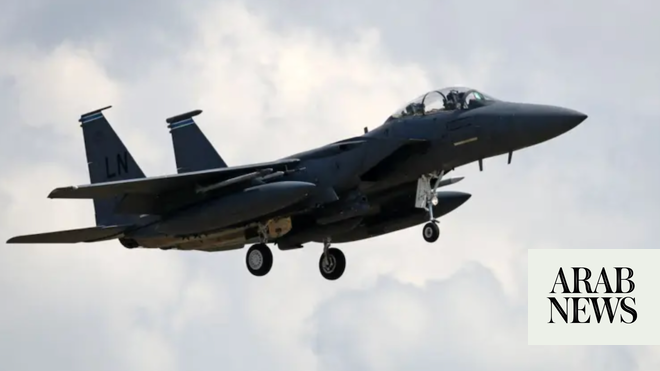

(Tehran) The downing of a US F-15 fighter jet and alleged A-10 ground attack aircraft by Iranian forces underscores an escalating tactical reversal with profound economic implications for the Middle East’s protracted security architecture. Iranian officials claim the destruction of the F-15 over central Iran and the A-10 Gulf crash in retaliation to what they characterize as hostile US aerial incursions amid the month-long conflict. These reported setbacks could trigger a recalibration of risk premiums affecting regional infrastructure and foreign direct investment flows across the Gulf Cooperation Council (GCC) states, particularly given that both the US and Iranian sides are now openly conducting high-risk search-and-recovery operations well within contested airspace.
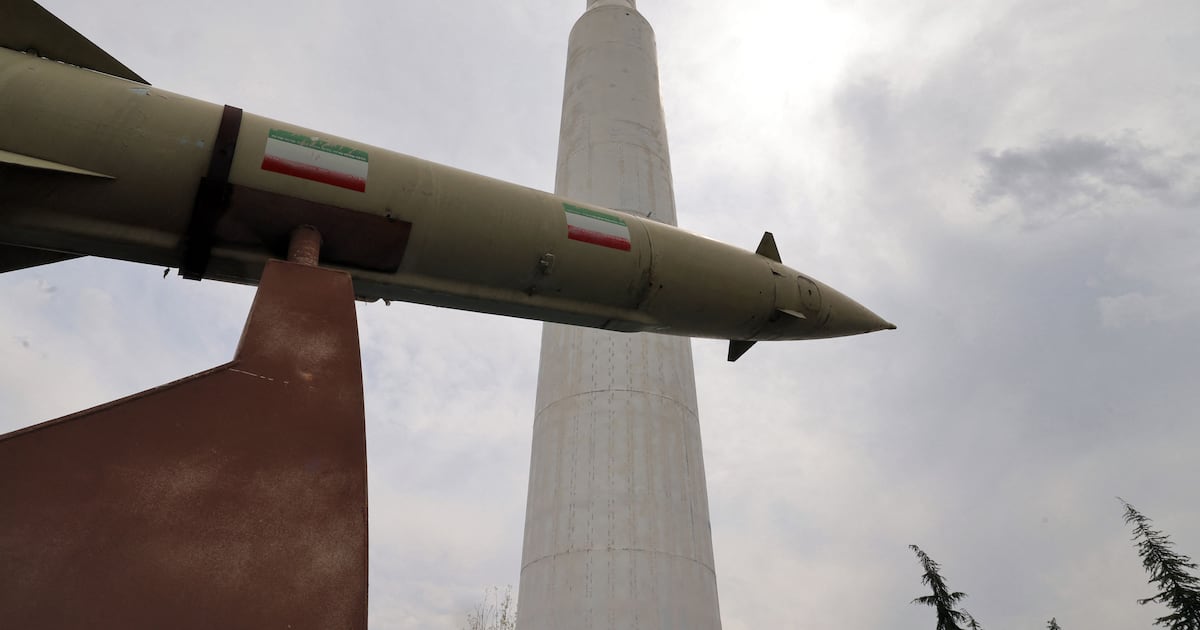
Tehran’s willingness and perceived ability to down sophisticated US military hardware signals that despite heavy Israeli-US airstrikes—which Central Command reports as exceeding 13,000 sorties and striking 12,300 Iranian targets—core elements of Iran’s defensive posture remain operationally resilient. Industry analysts warn that persistent low- to medium-altitude US flight profiles raise vulnerability windows, with shoulder-fired and portable surface-to-air missiles emerging as cost-effective countermeasures for Iran. These developments could push insurance rates and project finance terms higher across the Gulf’s oil, gas, and infrastructure sectors, as global capital reallocates risk exposures in light of sustained regional volatility.
From a sovereign investment standpoint, the incident reinforces the probability of longer-term US commitment to maintaining strategic aerial dominance over the Gulf, potentially accelerating procurement of next-generation tactical air platforms and integrated defense systems across Gulf allies like Saudi Arabia, the UAE, and Qatar. Venture capital allocation toward AI-enabled missile defense, intelligence fusion platforms, and autonomous reconnaissance systems may see a parallel surge, driven by both US military imperatives and Gulf sovereign wealth funds seeking exposure to cutting-edge defense tech. The persistent low loss rates—when compared to historical war benchmarks—could embolden further defense modernization cycles, provided domestic US political tolerance endures in the face of heightened casualty risks.