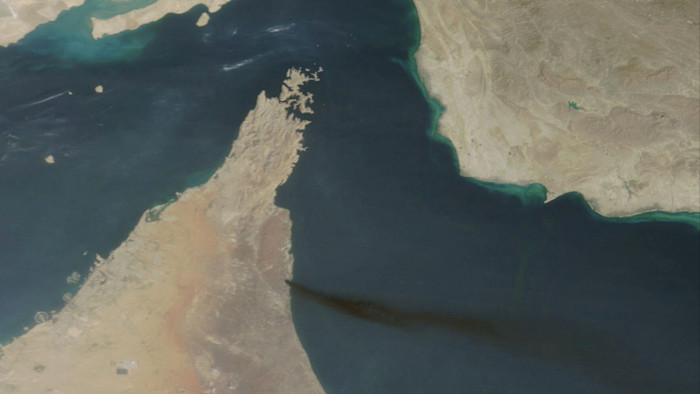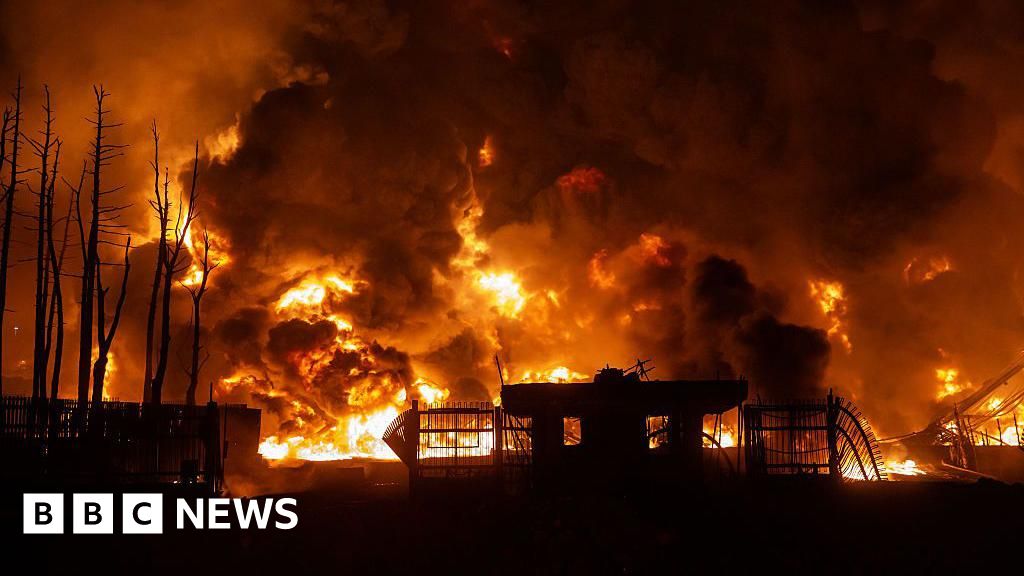

The escalating tensions in the Middle East, triggered by US and Israeli strikes targeting Iran, represent a profound risk to the region’s economic trajectory and financial stability. Beyond the immediate geopolitical ramifications, the conflict casts a long shadow over critical investments and infrastructure projects poised to drive growth across the Middle East and North Africa (MENA). The potential for wider regional escalation is not merely a security concern; it directly impacts sovereign capital allocation, venture capital deployment, and the ongoing development of vital infrastructure.
Sovereign wealth funds (SWFs) and national investment funds are now facing heightened scrutiny regarding their exposure to the region. Decision-making regarding infrastructure investments – particularly in sectors like energy, transportation, and digital infrastructure – will be heavily influenced by risk assessments surrounding regional stability. A prolonged conflict could lead to capital flight, impacting planned projects and hindering long-term economic diversification strategies. The conflict also necessitates a reassessment of supply chain vulnerabilities, potentially accelerating onshoring or nearshoring initiatives with significant implications for regional trade flows and manufacturing hubs.
The venture capital ecosystem in MENA, already navigating a challenging global funding environment, faces further headwinds. Investor sentiment is likely to tighten, with a greater emphasis on risk mitigation and a potential shift towards more defensive sectors. While technological innovation remains crucial for long-term competitiveness, the immediate priority for investors will be preserving capital and avoiding exposure to volatile markets. This could delay or scale back investment in high-growth sectors like fintech, e-commerce, and renewable energy, impacting the region’s ambitions for technological leadership.
Furthermore, the conflict underscores the critical need for strengthened regional infrastructure resilience. Investment in cybersecurity, critical infrastructure protection, and robust communication networks is paramount. Disruptions to energy supplies, transportation routes, and digital infrastructure could have cascading effects across MENA economies. While the long-term implications remain uncertain, the short-term focus must be on safeguarding existing investments and mitigating the economic fallout from renewed instability. This necessitates proactive risk management strategies from both public and private sector actors and a renewed commitment to regional cooperation to de-escalate tensions and foster sustainable economic growth.