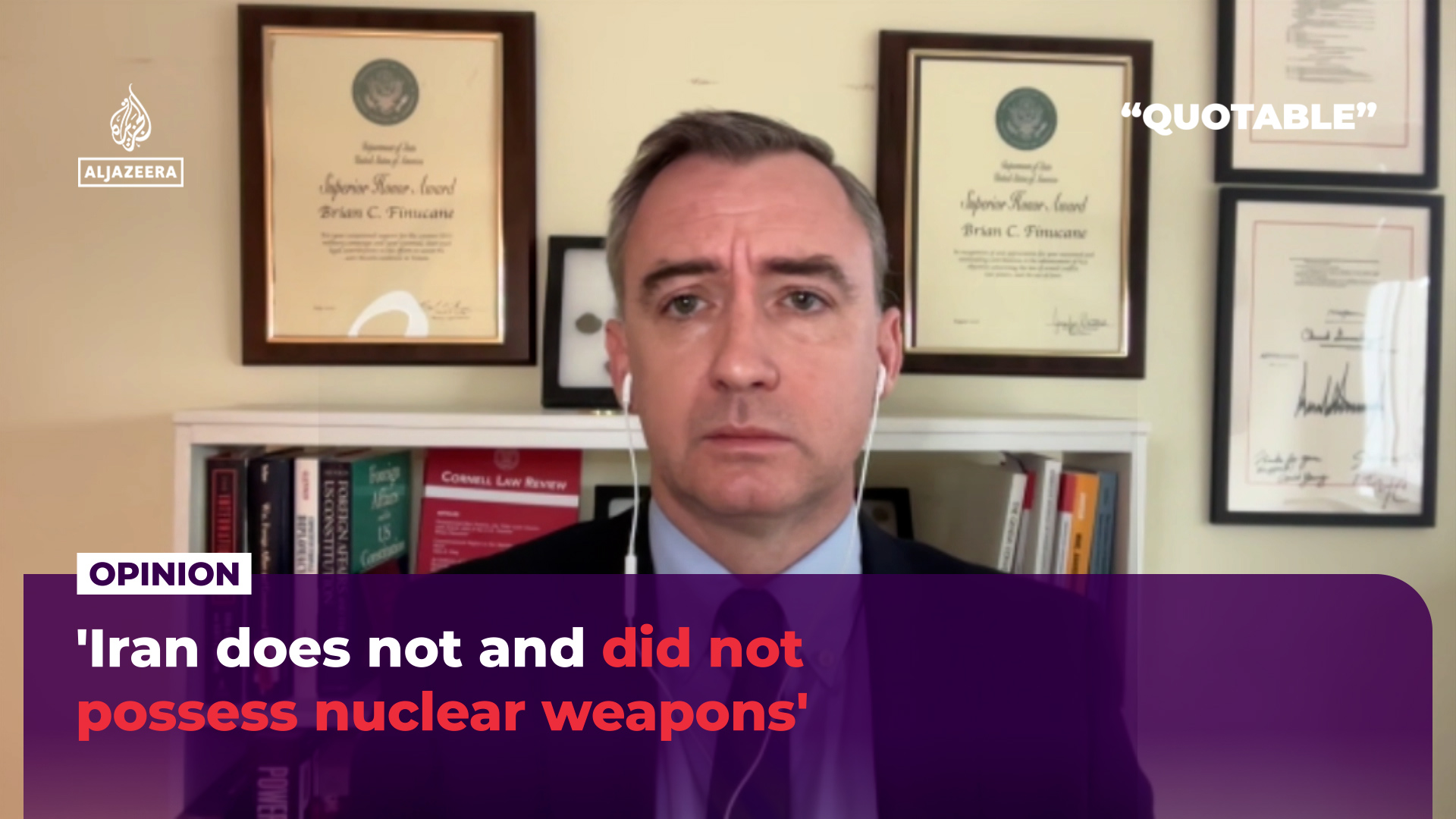

The recent US intelligence assessment regarding Iran’s potential imminent threat, particularly concerning nuclear weapons capabilities, has generated significant ripples across the Middle East and North Africa (MENA) region. While the US assessment reportedly lacked concrete public evidence of an immediate danger, the implications for regional financial flows, sovereign capital deployment, and infrastructure development are substantial. The narrative underscores a continued state of heightened geopolitical risk, necessitating rigorous strategic planning by both regional players and international investors.
From a business perspective, the ongoing uncertainty fuels volatility in regional equity markets and currency valuations. Sovereign wealth funds (SWFs) and private equity firms are increasingly exercising caution, leading to a slowdown in some high-stakes infrastructure projects – particularly those with significant long-term capital expenditure requirements. The focus is shifting towards projects demonstrating resilience and strategic alignment with regional diversification goals, such as renewable energy and digital infrastructure. Moreover, the regional venture capital landscape is seeing a cautious approach, with investors prioritizing established businesses and those with strong cash flows over speculative ventures. This impact is most pronounced in sectors with direct exposure to geopolitical instability, including energy and defense.
The sovereign capital implications are noteworthy. Many MENA nations are strategically positioning their reserves for greater flexibility and diversification. While some governments may seek to bolster defense spending in response to perceived threats, others are channeling capital into long-term investments that enhance economic resilience. This includes initiatives focused on technological advancement, smart cities development, and bolstering digital infrastructure. The emphasis on sovereign wealth fund management is intensifying, with a greater focus on risk mitigation and strategic asset allocation. Regions with robust financial frameworks and diversified economies are demonstrating greater capacity to navigate this uncertainty, attracting increased domestic and foreign capital.
Furthermore, the geopolitical climate necessitates a re-evaluation of regional infrastructure priorities. Investment in robust communication networks, cybersecurity infrastructure, and energy security is gaining paramount importance. The development of regional supply chains, less reliant on single points of failure, is also a key consideration. While long-term projects may face delays or adjustments, the underlying need for critical infrastructure remains undiminished. The ability of nations within the MENA region to attract and retain foreign direct investment (FDI) and leverage international partnerships will be crucial in mitigating risks and capitalizing on future growth opportunities. A stable regional environment, underpinned by predictable policy frameworks and a commitment to security, remains a prerequisite for sustained infrastructure development and economic prosperity.