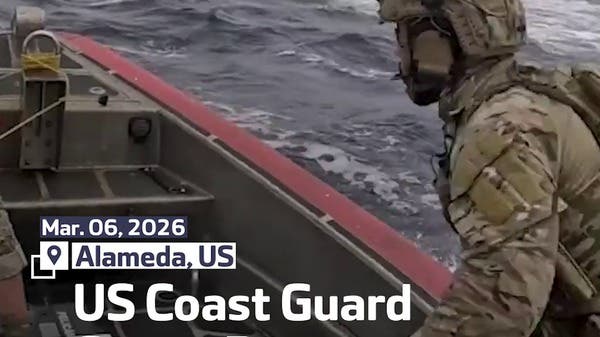

Therecent return of a U.S. Coast Guard cutter to Alameda underscores a strategic recalibration of maritime security postures that directly influence Middle East and North Africa (MENA) logistics corridors. Heightened American naval presence in the Gulf and Red Sea not only deters illicit activities but also reinforces confidence among global shipping lines, prompting sovereign powers to reassess risk premiums attached to regional trade routes.
State-owned investment vehicles across the region, notably the Public Investment Fund of Saudi Arabia and the Abu Dhabi Investment Authority, are channeling sovereign capital into port modernization and coastal surveillance infrastructure. By aligning fiscal allocations with observable security improvements, these entities aim to attract high‑value maritime logistics contracts and secure a larger share of the $1.2 trillion annual trade flowing through MENA waterways.
Concurrently, venture capital ecosystems in Dubai, Abu Dhabi, and Riyadh are witnessing a surge in funding for maritime‑technology startups focused on autonomous vessel monitoring, satellite‑based route optimization, and digital customs platforms. Sovereign‑backed venture funds are increasingly participating in seed and Series A rounds, leveraging state‑level risk appetite to accelerate innovation that enhances operational efficiency and reduces transaction friction for multinational carriers.
From an infrastructure perspective, MENA governments are fast‑tracking multibillion‑dollar projects that integrate upgraded port facilities, cross‑border digital corridors, and resilient supply‑chain hubs. These initiatives are timed to capitalize on the confluence of heightened naval security, sovereign capital deployment, and venture‑driven technological advancement, positioning the region as the preeminent gateway for Red Sea‑to‑Mediterranean trade flows.