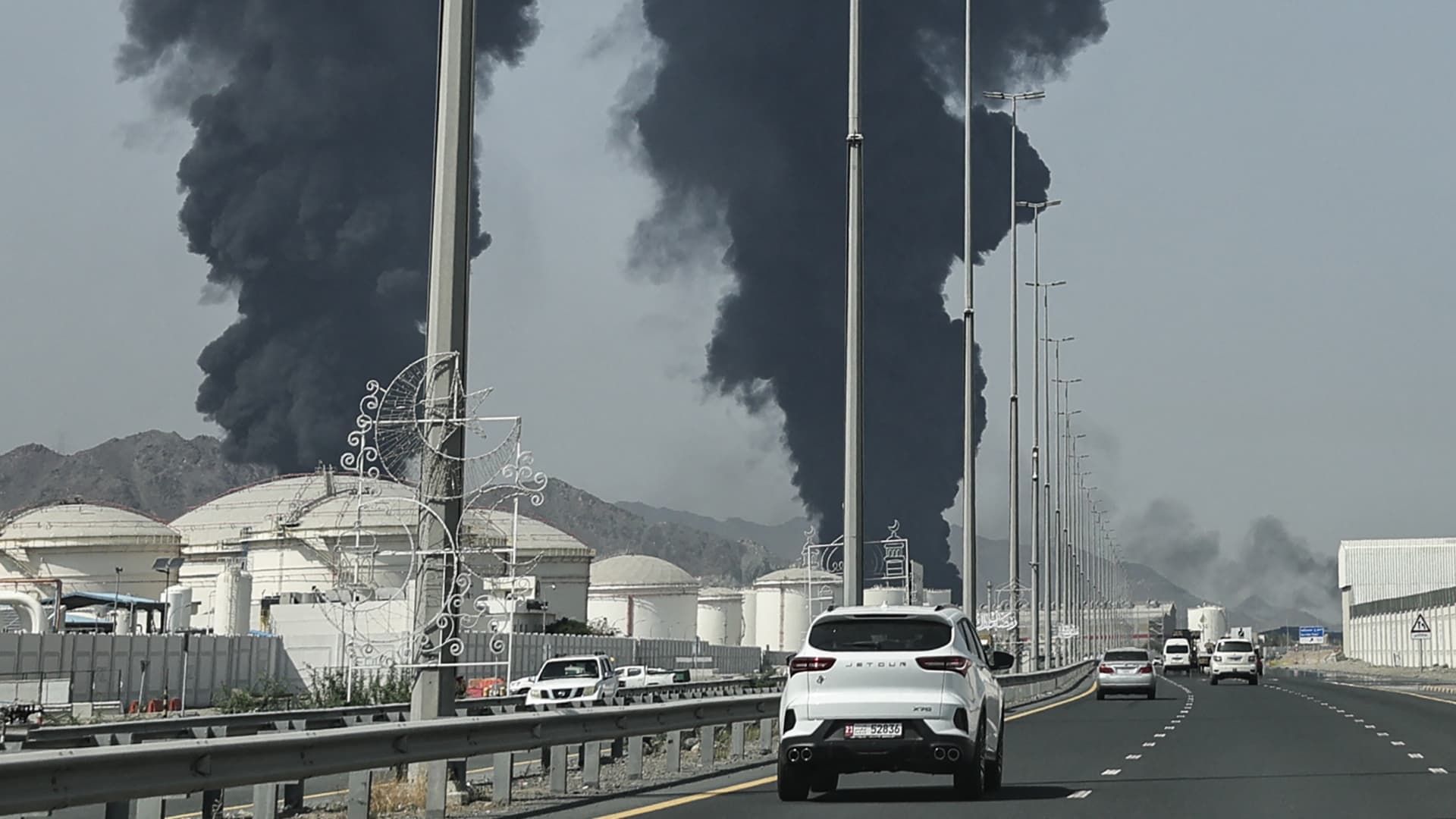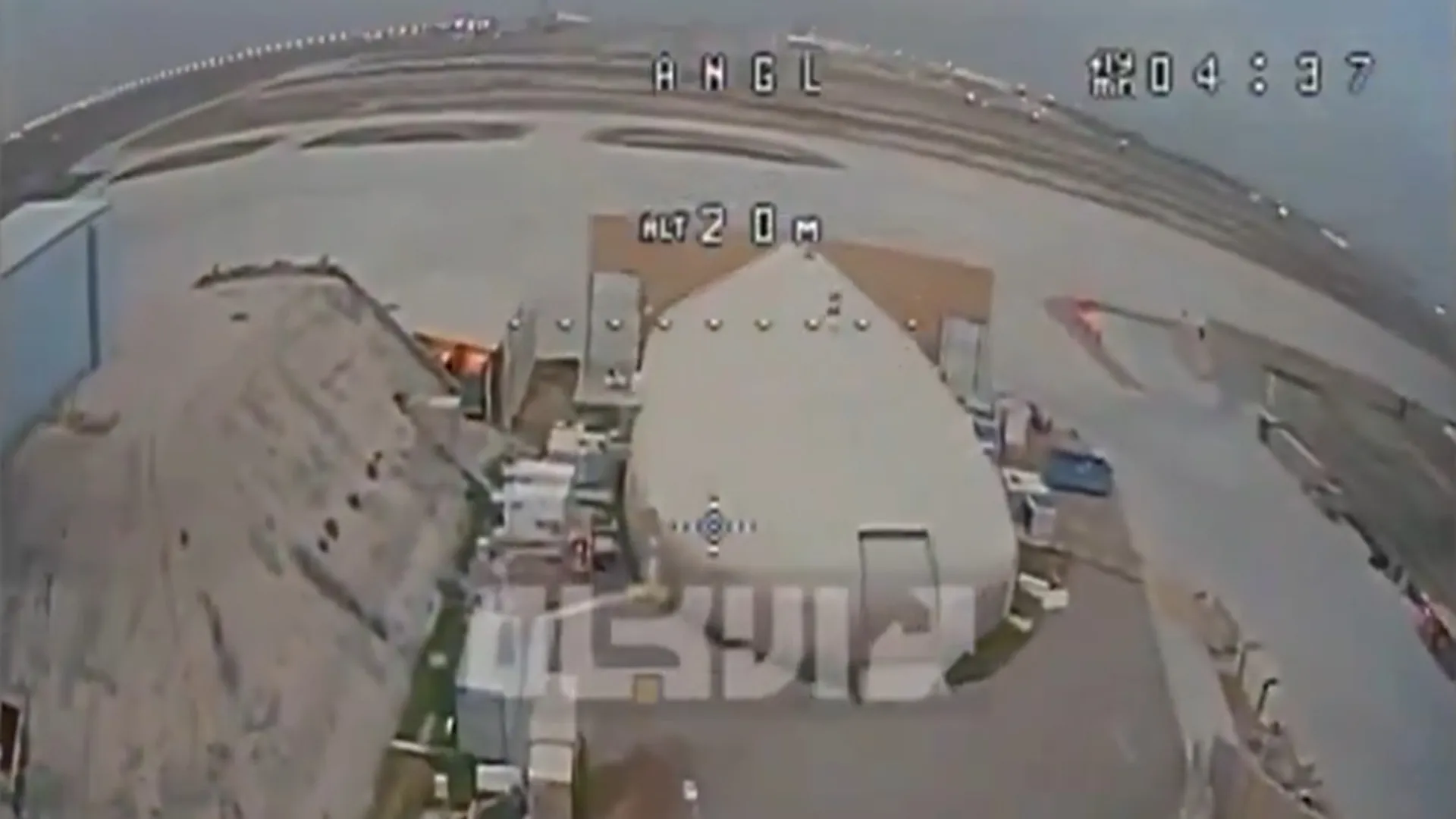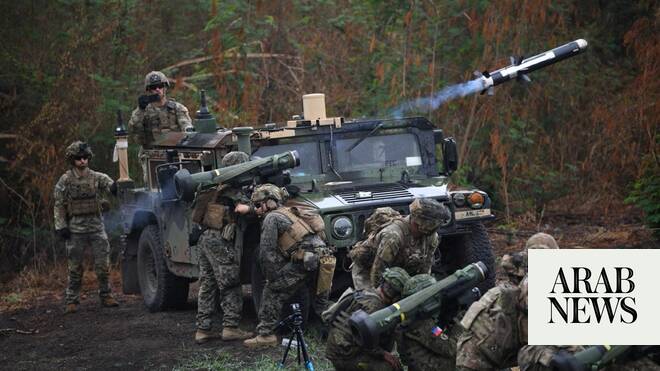

The redeployment of a U.S. Marine Expeditionary Unit and the amphibious assault ship USS Tripoli to the Middle East signals a material recalibration of geopolitical risk that will immediately ripple through regional capital markets and investment thesis. For sovereign wealth funds and institutional investors across the Gulf Cooperation Council and North Africa, this move reinforces a premium on political instability, triggering a likely short-term flight to safety in U.S. Treasuries and gold while pressuring regional bourses, particularly in exposed markets such as Egypt and Lebanon. The tangible demonstration of U.S. force projection, even without an imminent ground threat, will dampen near-term risk appetite for MENA equities and sovereign debt, as portfolio managers reassess contingency plans for critical infrastructure and expatriate workforce security.
This deployment will accelerate the strategic diversification mandates of MENA sovereign capital away from domestic and regionally-focused infrastructure projects. Entities like Saudi Arabia’s PIF and the UAE’s Mubadala, which have aggressively deployed capital into national transformation initiatives, will face intensified scrutiny from their international limited partners regarding exposure to potential conflict zones. We anticipate a temporary pause or heightened re-pricing of risk for large-scale, long-duration projects in sectors such as logistics, energy transition, and tourism, particularly those with assets in coastal or strait-adjacent locations. The redeployment, originating from the Pacific, underscores a global force posture shift that compels a continent-wide reassessment of supply chain resilience, potentially redirecting sovereign liquidity toward more geopolitically secure hubs in Asia or the Americas.
For venture capital and private equity, the impact is bifurcated. Early-stage, digital-first startups with negligible physical footprint and global revenue streams may see a muted impact, though exit valuations via regional IPOs or trade sales to local champions could face headwinds. Conversely, capital-intensive startups in sectors like mobility, renewable energy installation, and agritech—which rely on stable ground operations and foreign partnerships—will encounter a more cautious funding environment. International VCs with MENA allocations will demand steeper governance controls and geopolitical insurance clauses, while regional funds may pivot more aggressively toward domestic market plays, slowing the cross-border consolidation and regional scaling that has characterized the past decade.
The long-term infrastructure implication is a paradoxical one: heightened tension may paradoxically spur select U.S.-aligned procurement and defense-adjacent contracts in the short term, but will ultimately compel regional governments to double down on strategic autonomy. Projects enhancing internal security, redundant energy and water systems, and digital sovereignty will gain traction over internationally interdependent mega-projects. The visible U.S. military guarantee, while stabilizing in one dimension, introduces a new variable in the “China versus the West” infrastructure financing calculus, potentially slowing the inflow of non-aligned capital from nations like China and Russia who may perceive a heightened U.S. commitment as destabilizing. The net effect is a near-term risk premium and a medium-term strategic recalibration that will redefine the risk-return profile for decades of built environment investment in the region.