
Elon Musk’s X Corp lawsuit against advertisers—dismissed this week by a US federal court for lacking evidence of antitrust injury—reveals a critical inflection point for global tech governance and monetization strategies, with profound implications for sovereign capital flows and venture capital dynamics in the Middle East and North Africa (MENA). The dismissals underscore the challenges of leveraging litigation as an antitrust weapon in markets where brand autonomy dominates competitive landscapes. For MENA, a region historically reliant on foreign direct investment (FDI) to catalyze tech innovation, the fallout signals heightened risks for sovereign-linked equity investments in platforms bathed in volatility. Sovereign wealth funds (SWFs), such as Saudi Arabia’s PIF and UAE’s Mubadala, which have increasingly pivoted toward tech-driven economic diversification, now face renewed scrutiny over portfolio resilience amid shifting global regulatory attitudes. The 50% advertising revenue plunge post-Musk’s acquisition and the subsequent legal brinkmanship highlight systemic fragility in tech valuations, prompting MENA sovereigns to recalibrate risk assessments for cross-border equity stakes, particularly in firms where ownership restructuring or ideological governance models heighten reputational or operational unpredictability.
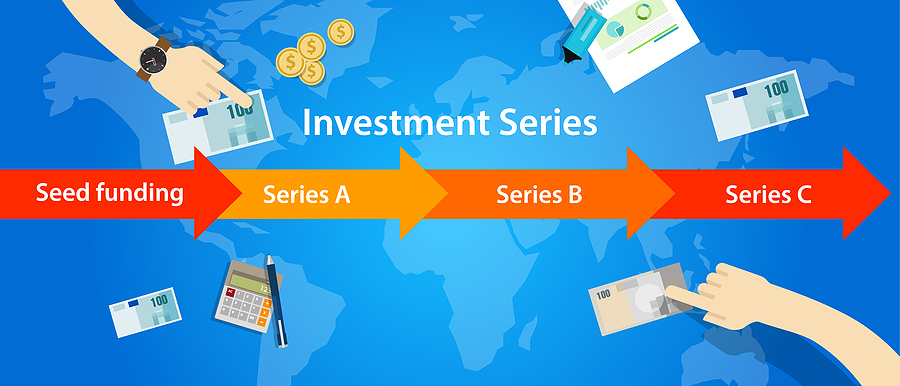
The merger of X Corp with Musk’s AI venture xAI and aerospace arm SpaceX—occurring parallel to this legal dispute—further complicates fractional ownership risks, a concern amplifying in MENA’s venture capital sphere. Regional VCs, already cautious about over-concentration in late-stage tech investments post-2022’s market corrections, now face dual pressures: declines in global counterpart valuations and escalating litigation risks for portfolio companies reliant on brand partnerships. For instance, MENA-focused-tech funds may prioritize early-stage investments in localized AI or fintech infrastructure over high-profile SaaS platforms with entangled global governance. This shift aligns with sovereign-backed policy interventions, such as Saudi’s $1.5bn National Gaming and Esports Bill, which mandates “digital sovereignty” parameters for startups, reflecting broader regional trends of de-risking through hyper-localized tech ecosystems. Additionally, MENA VCs are doubling down on sectors less exposed to geopolitical backlash, increasingly funding financial technology (fintech) and cybersecurity ventures that align with sovereign priorities for transactional resilience and regulatory compliance.
Infrastructure implications emerge starkly in MENA’s digital economy trajectory. The X Corp case underscores a vulnerability in cross-border data governance, a sector where MENA governments are aggressively investing in sovereign cloud infrastructures and regional data hubs to mitigate dependency on US-based platforms. Countries like Saudi Arabia and Egypt are accelerating investments in AI-ready data centers and digital treaty frameworks, aiming to establish regulatory moats that attract compliant foreign investment while insulating against legal preemption via tech giants. For instance, the UAE’s Abu Dhabi Government Strike Force, tasked with enhancing public sector AI capabilities by 2025, may adopt stricter review processes for tech partnerships, prioritizing firms with demonstrable antitrust compliance histories. Meanwhile, the MENA region’s bone marrow of sovereign capital—its energy-linked wealth—is being channeled into hybrid physical-digital infrastructure projects (e.g., 5G rollouts, blockchain-based financial networks) that bypass platform-specific legal contingencies, reducing exposure to disputes like Musk’s advertisers’ boycott. Such moves reflect a strategic pivot toward infrastructure-as-sovereign-asset models, where vertical integration and legal fragmentation in global tech ecosystems necessitate sovereign-backed alternatives to stabilize regional digital growth pipelines.