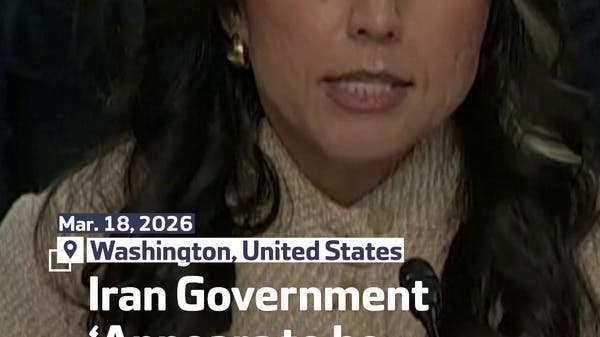

Recent assessments from US intelligence officials suggesting the resilience of the Iranian government, despite ongoing domestic unrest and economic pressures, carry significant implications for regional financial stability and technology investment flows within the Middle East and North Africa (MENA). While the protests undoubtedly represent a challenge to the current regime, the apparent continuity of power mitigates, at least in the short term, the risk of a sudden and disruptive regime collapse. This stability, however fragile, will influence sovereign investment strategies, particularly those originating from the Gulf Cooperation Council (GCC) nations, who must factor in Iran’s continued presence as a geopolitical and economic actor.
The business impact is multifaceted. Firstly, it reinforces the likelihood of continued sanctions pressure from the United States, limiting direct foreign investment into Iran and complicating trade relationships. Secondly, it necessitates a recalibration of risk assessments for regional infrastructure projects, particularly those involving energy transit routes or digital connectivity initiatives. Sovereign wealth funds (SWFs) from Saudi Arabia, the UAE, and Qatar, while pursuing diversification strategies, remain sensitive to geopolitical risk. The perceived stability, albeit precarious, may encourage a cautious approach to indirect investments in sectors like technology and renewable energy within Iran, potentially through third-party entities or specialized funds. Venture capital activity, already constrained by sanctions, is unlikely to see a significant surge, but may witness a focus on sectors deemed less politically sensitive, such as fintech solutions catering to the Iranian diaspora or cybersecurity applications.
Furthermore, the situation underscores the importance of regional digital infrastructure development. Iran’s persistent efforts to build out its domestic internet capabilities, often circumventing international sanctions, highlight the growing divergence in technological ecosystems within the MENA region. This divergence creates both challenges and opportunities. While it limits interoperability and cross-border data flows, it also fosters the development of localized technology solutions and a burgeoning domestic tech sector within Iran. Regional players, particularly those in the UAE and Saudi Arabia, will need to strategically navigate this landscape, balancing the need for regional connectivity with the geopolitical realities of dealing with Iran. The potential for increased cyber activity and digital espionage also warrants heightened vigilance and investment in cybersecurity infrastructure across the MENA region.
Ultimately, the resilience of the Iranian government, as indicated by US intelligence, necessitates a nuanced and long-term perspective from regional financial institutions and investors. While immediate opportunities may be limited by sanctions and political uncertainty, the underlying economic fundamentals and the potential for future shifts in the geopolitical landscape warrant continued monitoring. Sovereign capital deployment will likely prioritize stability and diversification, with a focus on sectors less directly impacted by sanctions. Venture capital will remain selective, targeting niche opportunities within Iran’s domestic market while carefully managing geopolitical risk. The long-term implications for regional infrastructure, particularly digital connectivity, will depend on the evolving dynamics between Iran and its neighbors, and the broader trajectory of US-Iran relations.