
The unprecedented escalation in regional dynamics underscores shifting power balances within the Middle East. Iran’s actions reverberate beyond immediate confrontation, challenging established stability assumptions. While geopolitical tensions persist, their escalation implicates deeper economic vulnerabilities and necessitates recalibration of sovereign strategic priorities. Such events compel reevaluation of defensive postures and underscore the fragility underpinning regional cohesion.
Sovereign capital mechanisms face intensified strain as Tehran’s miscalculations risk destabilizing fiscal frameworks. Concurrently, venture capital markets demand recalibration to address heightened uncertainty, potentially redirecting focus from resource exploitation to adaptive resilience strategies. This shift reverberates across national economies, altering capital flows and investment allocation priorities.
Infrastructure development confronts dual challenges: anticipated reconstruction amid reconstruction demands while concurrently demanding resilience against destabilizing volatility. Regional interdependencies further complicate solutions, necessitating collaborative approaches to mitigate cascading impacts on trade and connectivity.
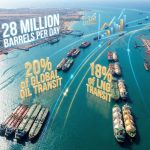
Long-term implications extend to regional stability, influencing energy markets and geopolitical calculus. Such volatility may perturb alliances, incentivize resource-driven conflicts, and exacerbate socio-economic stressors across constituent states.
Responsive governance models must evolve to address cascading consequences, ensuring adaptability in an environment where perception governs effectiveness as much as action.