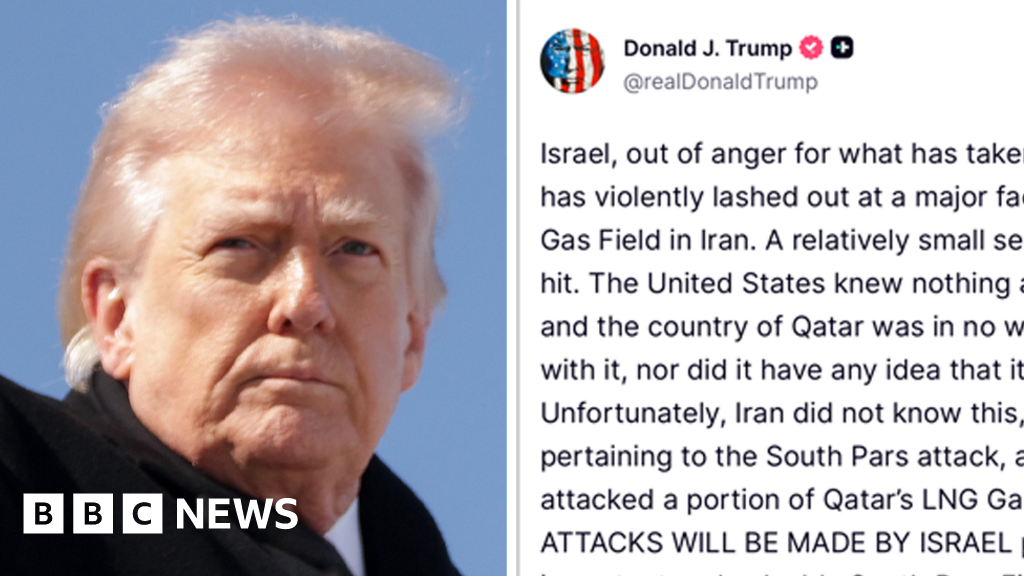

Alex Gandler’s remarks underscore a strategic realignment in the MENA region’s approach to geopolitical risks, with profound implications for sovereign capital deployment and regional infrastructure planning. The alignment between Israel and Gulf states on confronting Iran’s IRGC and nuclear ambitions signals a coordinated effort to mitigate existential threats, which directly influences sovereign wealth funds’ risk appetites. Gulf nations, leveraging their monetary policy independence, are increasingly allocating capital to regional security partnerships and energy diversification projects, diverting funds from volatile sectors like Iranian-linked commodity markets. This shift mirrors institutional investors’ reallocation of sovereign wealth toward Middle East stability initiatives, such as defense infrastructure and cross-border economic agreements, to preempt cascading conflicts that could destabilize broader investment climates.
The convergence of geopolitical objectives creates a unique window for sovereign capital to catalyze regional venture capital ecosystems. Gulf states, historically reliant on state-owned enterprises, are now channeling funds into private sector alliances with Israel, Turkey, and other regional tech hubs to offset Iran’s long-term economic isolation. For instance, Saudi Arabia’s PIF and Emirati strategic reserves are prioritizing startups in defense tech, AI, and water security—sectors impacted by Iran’s destabilizing activities. This marks a departure from traditional aid models, focusing instead on equity stakes and cross-border venture capital vehicles that insulate investments from regional volatility while accelerating the digitization of critical infrastructure.
Regional infrastructure development is undergoing a dual transformation driven by this strategic realignment. While sanctions on Iran limit direct capital flows, Gulf-Iranian “shadow” investments are shrinking, redirecting resources toward Gulf-Iraq-Turkey gas pipelines and Gulf-Cypriot energy grids. Simultaneously, de-escalation with Tehran could unlock public-private partnerships in Levantine ports and Red Sea logistics, though political risks remain high. Venture capital firms embedded in these projects are demanding stricter ESG compliance frameworks, prioritizing resilience to sanctions shocks and conflict spillovers. For MENA, the path forward hinges on leveraging this geopolitical moment to build interconnected, audit-ready infrastructure that buffers against external shocks.