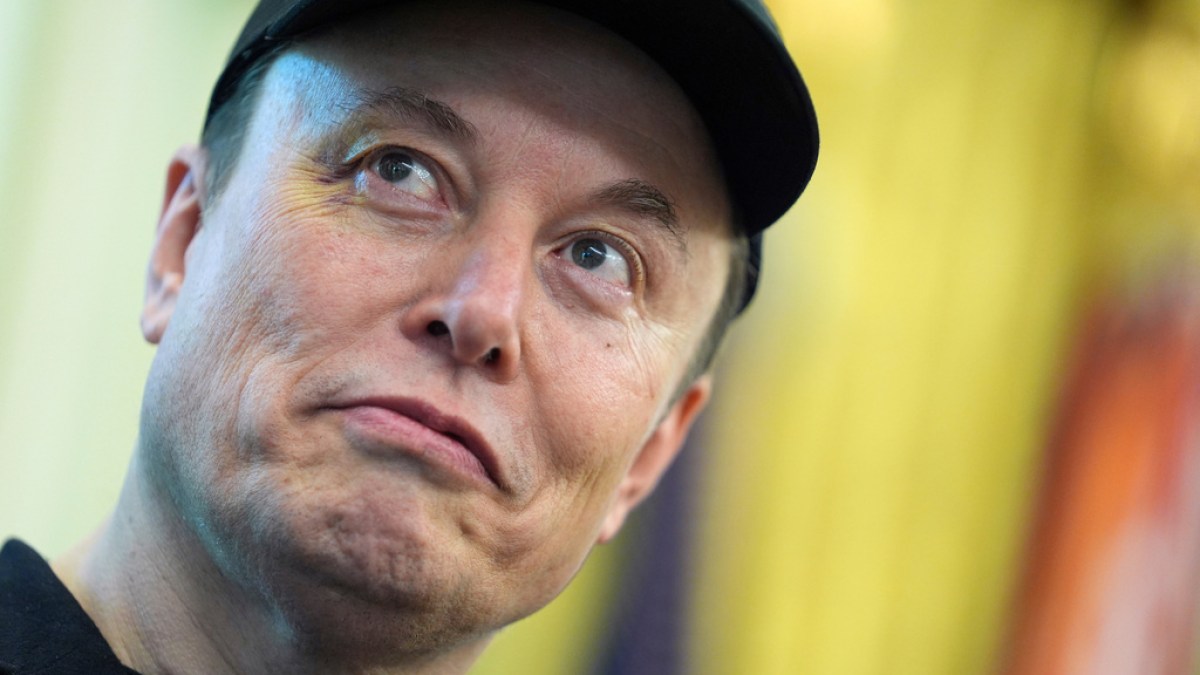

A California federal jury has ruled that two tweets issued by Elon Musk in May 2022 contained false statements that materially depressed Twitter’s share price, exposing the billionaire to potential damages of roughly $2.6 billion as calculated by the plaintiffs. The verdict, which found Musk liable under securities rules prohibiting misleading statements that sink a stock, marks a rare legal setback for a figure often described as “Teflon Elon.” While the jury cleared him of allegations that he schemed to mislead investors, the decision opens the door to a substantial financial claim that could affect Musk’s personal wealth and, by extension, the funding capacity of his intertwined ventures—including xAI, SpaceX, and the rebranded platform X.
For Middle Eastern and North African investors, the ruling introduces a new layer of risk to portfolios that hold direct or indirect stakes in Twitter/X and its associated technology ecosystem. Sovereign wealth funds from Saudi Arabia, the UAE, and Qatar, which have increasingly allocated capital to high‑growth tech and AI initiatives, may reassess exposure to Musk‑led entities amid concerns over governance and litigation‑related volatility. Likewise, regional venture capital firms that have backed startups reliant on X’s advertising model or that anticipate synergies with Musk’s AI and space ventures could face tighter due‑diligence requirements and a potential slowdown in deal flow until the legal uncertainty is resolved.
Beyond immediate financial repercussions, the judgment may catalyze a broader shift in how MENA regulators and institutional investors approach oversight of prominent tech executives. Gulf states, already advancing frameworks to attract data‑center investments and foster domestic AI capabilities, could tighten disclosure standards and impose stricter accountability measures on foreign tech leaders operating within their jurisdictions. This heightened scrutiny could redirect sovereign capital toward more governance‑resilient assets—such as sovereign‑backed infrastructure projects, regional cloud hubs, and locally governed AI platforms—while prompting venture capitalists to prioritize startups with robust compliance structures and transparent leadership, thereby reshaping the region’s tech investment landscape over the medium to long term.