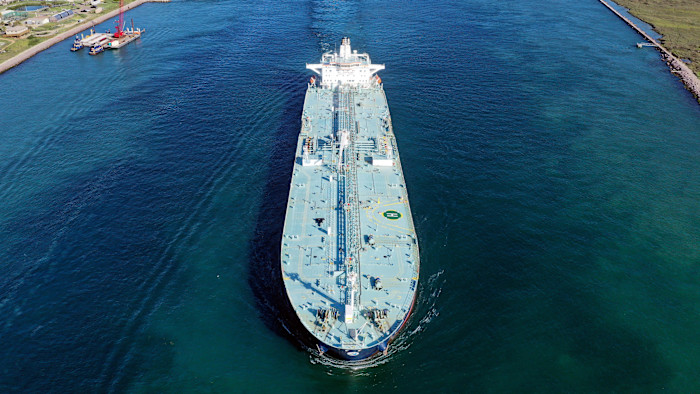

US crude exports are surging to a projected 5.2 million barrels per day in April, a 33 percent jump over March, as Asian buyers scramble to fill the gap left by the temporary loss of Middle‑East supply. Kpler’s tote‑booking data shows 68 empty tankers inbound, a stark contrast to the 24 moving in the week before the February 28 strike. The tightening of the Strait of Hormuz has exposed a structural vulnerability: roughly 80 percent of oil flowing through the waterway is destined for China and its neighbours. An abrupt return of supply to global markets has therefore amplified the export pivot, forcing American refiners to re‑engineer output for lighter feedstocks and to clear inventories that would otherwise have become a “deadweight” on the world price curve.
From a sovereign capital perspective, the U.S. has released over 170 million barrels from the Strategic Petroleum Reserve and eased environmental curbs to dampen domestic price escalation. Nevertheless, the reserve’s annual discharge cap of 1–1.5 million barrels per day is a blunt instrument relative to the 10–15 million barrels per day of Gulf output halted by the conflict. The net effect has been to signal a United States that is “selling” its own reserves to abroad buyers, thereby reinforcing its role as a swing producer while leaving American consumers exposed to $4‑$6 per gallon fuel, a figure that carries electoral ramifications for the Trump administration.
Regionally, the Chinese-led OPEC+ vanguard saw a surge in U.S. imports of Venezuelan crude, a by‑product of the Washington‑backed removal of Nicolás Maduro. Venezuelan heavy grades now occupy more refineries in the Gulf, freeing domestic U.S. shale to be shipped overseas. This reallocation will likely compress U.S. refining margins and constrain future domestic capacity growth, compelling several West Coast plants to reduce throughput or shut down temporarily. The ripple effects on the MENA financial ecosystem include heightened volatility in Gulf sovereign equity markets, a surge in venture‑fund capital chasing green‑energy corridors to hedge against geopolitical risk, and accelerated investment in alternative routes – notably the Suez-Cuezav corridor – to mitigate the Strait of Hormuz’s strategic chokepoint.
Politically, the price spike has drawn calls in Washington for an outright ban on oil exports. While the administration has so far ruled it out, analysts warn that a sustained rise in U.S. fuel prices could prompt a pivot toward export controls, reshaping the global oil trading architecture. For the MENA region, such a shift would necessitate rapid expansion of storage infrastructure and deeper cooperation with downstream partners to preserve market share in a fundamentally altered price regime. The current turmoil signals that both sovereign and private capital in the Gulf must recalibrate their risk frameworks to anticipate further disruptions and to secure the infrastructural resilience required for a post‑war energy landscape.