
The United States Department of Justice has formally accused the Iranian Ministry of Intelligence and Security (MOIS) of orchestrating the cyberattack on U.S. medical technology firm Stryker, which claimed responsibility through the hacktivist group Handala. This development represents a significant escalation in the ongoing cyber-state relations between the two nations and carries considerable ramifications for the Middle East and North Africa (MENA) region’s burgeoning technology sector and its broader geopolitical landscape.
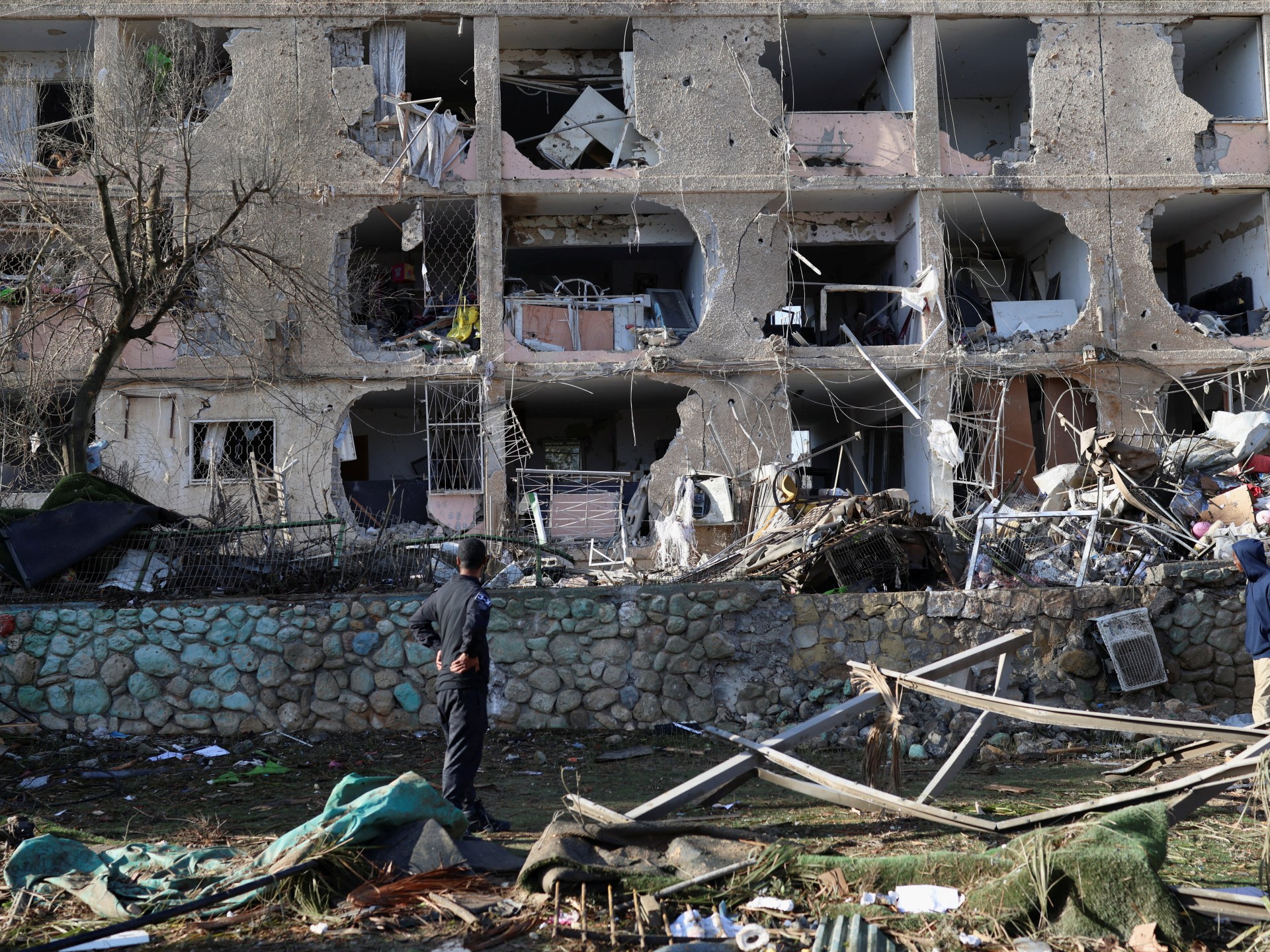
The DOJ’s indictment alleges that Handala, a purported “fake activist persona,” functions as a tool for the MOIS to conduct “psychological operations.” This includes attributing cyberattacks to Iranian actors, disseminating stolen intelligence obtained through illicit means, and propagating calls for violence against journalists, dissidents, and individuals with ties to Israel. The attack on Stryker, which reportedly involved the remote wiping of tens of thousands of employee devices, was cited by Iranian officials as retaliation for a U.S. air strike on an Iranian school. This incident underscores the increasing weaponization of cyberspace by state actors and the potential for significant economic and operational disruption within the region.
The implications of this action extend beyond individual firms like Stryker. The surge in sophisticated cyberattacks originating from Iran, actively facilitated by entities like Handala and potentially others within the MOIS, poses a direct threat to the region’s expanding digital infrastructure and the critical technological advancements being fostered in countries like Saudi Arabia, the UAE, and Egypt. The sovereign capital allocated to cybersecurity defenses in these nations is likely to increase, driven by the demonstrable vulnerability to state-sponsored intrusions. Furthermore, the growth of venture capital focused on cybersecurity solutions will be further stimulated as regional governments and private sector entities seek to bolster their resilience.
The interconnectedness of the MENA region’s digital ecosystem also creates vulnerabilities. The seizure of websites linked to Handala, alongside operations attributed to other hacktivist personas like “Justice Homeland,” highlights the potential for coordinated state-sponsored cyber campaigns targeting critical infrastructure and sensitive data across borders. While the long-term business impact of these attacks is still unfolding, this increased threat landscape necessitates a proactive approach from regional businesses and policymakers, including robust international cooperation to mitigate these risks. The sophisticated nature of these operations also underscores the need for continued investment in advanced cybersecurity technologies and talent within the region.