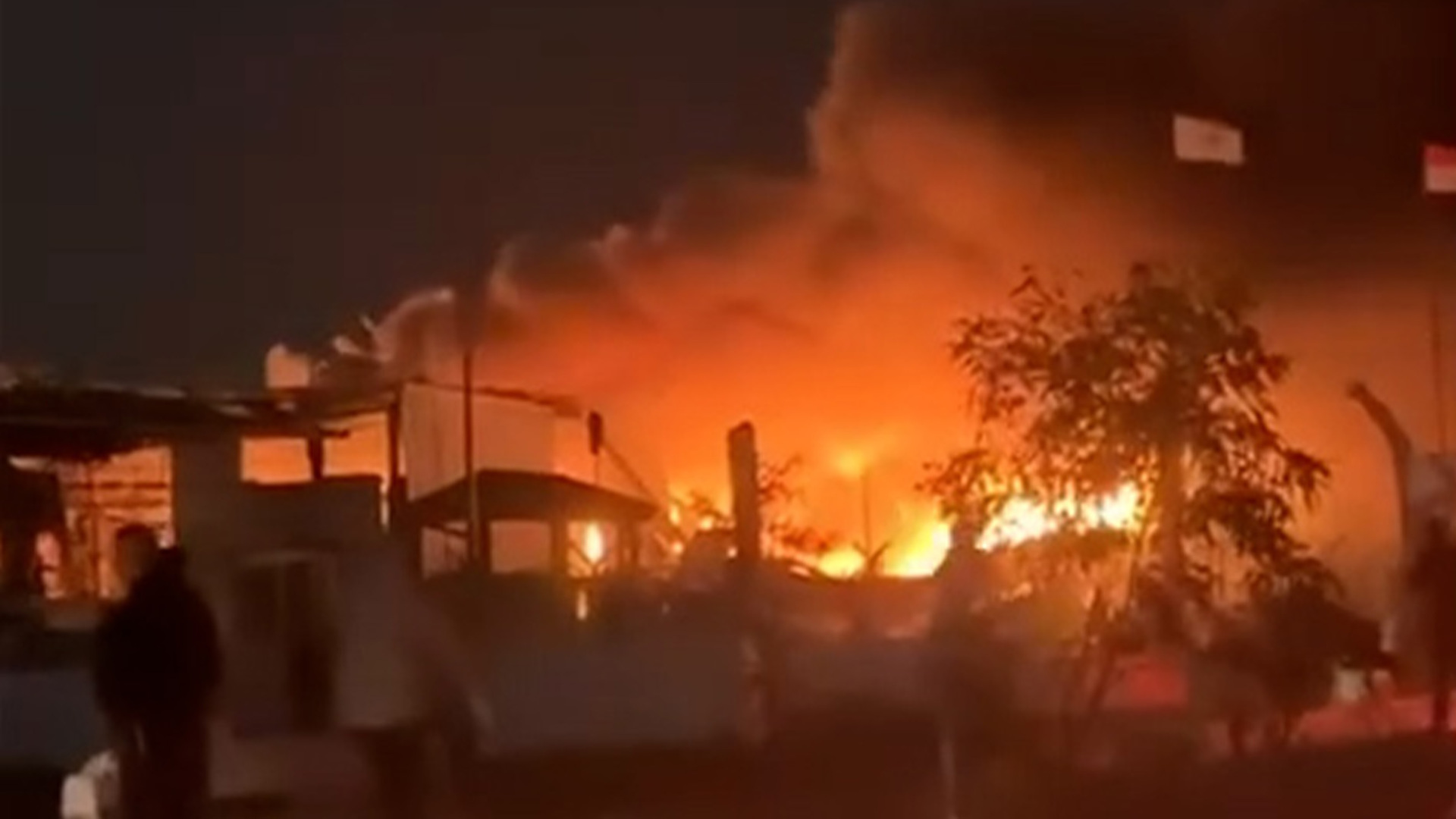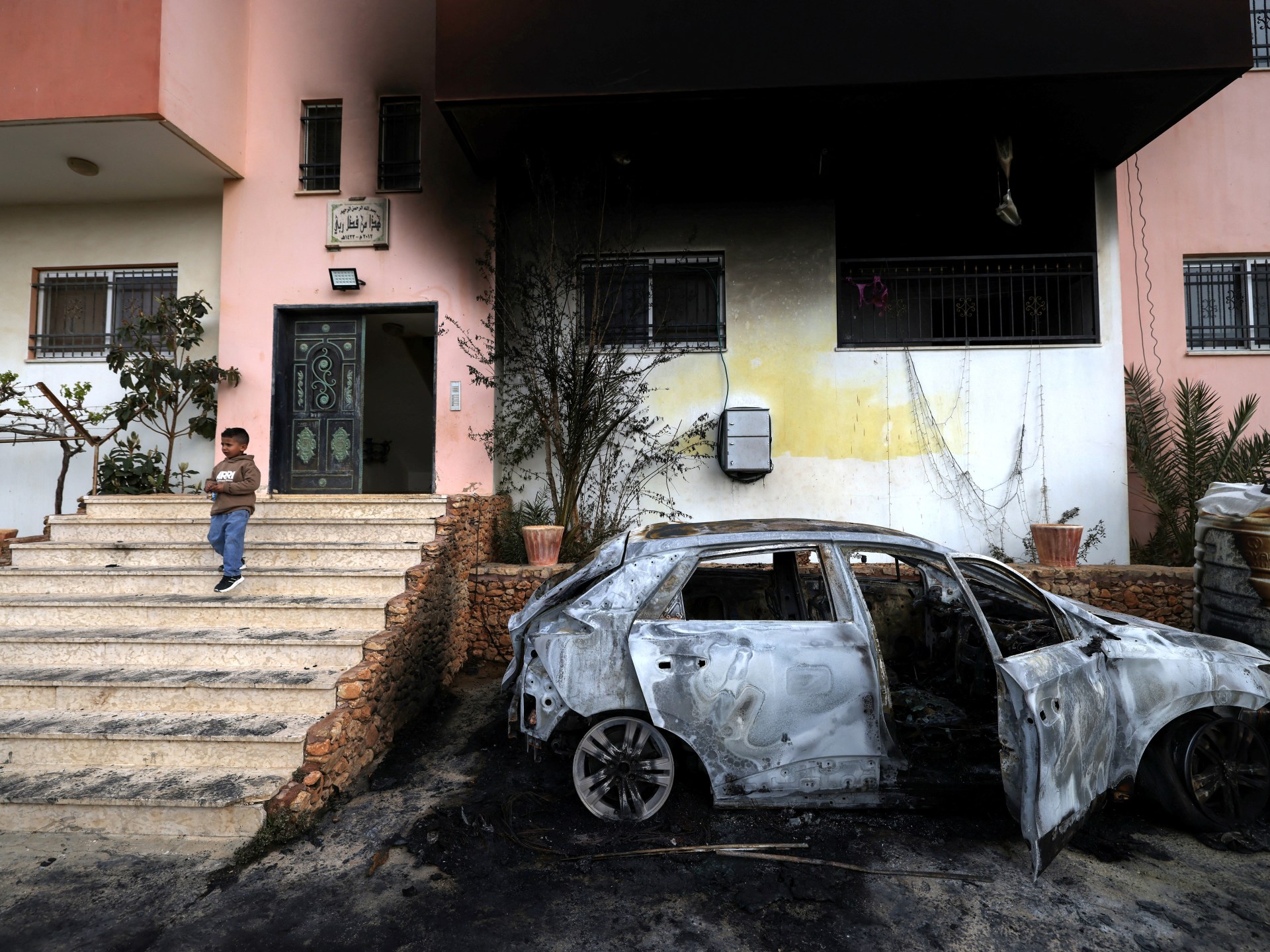

The recent surge insettler violence and accompanying movement restrictions across the occupied West Bank are rapidly eroding the region’s business climate. Road blockades at key junctions, the封闭 of major arteries such as Route 60, and the systematic destruction of agricultural assets—including olive groves and water infrastructure—are disrupting supply chains, raising logistics costs, and deterring both domestic and foreign investment. Sovereign risk assessments for the West Bank are being revised upward, with analysts noting a measurable increase in the probability of sudden capital controls or asset seizures, which in turn heightens the cost of financing for infrastructure projects and reduces the attractiveness of the territory for long‑term equity placements.
For sovereign wealth funds and regional development banks that have earmarked capital for transport, energy, and water‑resource upgrades in the Levant, the current security environment introduces significant execution risk. Planned road‑rehabilitation programs in the Nablus and Jenin corridors, as well as solar‑farm initiatives aimed at reducing reliance on imported electricity, now face potential delays or renegotiation of timelines and cost overruns. Venture‑capital activity, already nascent in the West Bank’s tech ecosystem, is likely to contract further as seed‑stage investors reassess exposure to operational disruptions and heightened regulatory uncertainty, while limited‑partner committees may demand higher risk premia or redirect funds toward more stable Gulf‑based ventures.
In Gaza, the tightening of aid corridors and the persistent bombardment of civilian infrastructure are compounding a humanitarian crisis that directly impedes reconstruction financing. The decline in food‑ and medicine‑influx, coupled with damaged power grids and water‑treatment facilities, raises the immediate cost of rebuilding and lengthens the horizon for any meaningful economic recovery. Sovereign capital from MENA states, which has previously pledged support for post‑conflict reconstruction, may become more cautious, preferring to channel resources through multilateral mechanisms that can mitigate exposure to volatile security conditions. Consequently, the combined effect of settler‑driven instability in the West Bank and aid constraints in Gaza is poised to reshape regional investment flows, increase financing premiums for infrastructure, and constrain the growth of venture‑backed entrepreneurship across the broader MENA landscape.