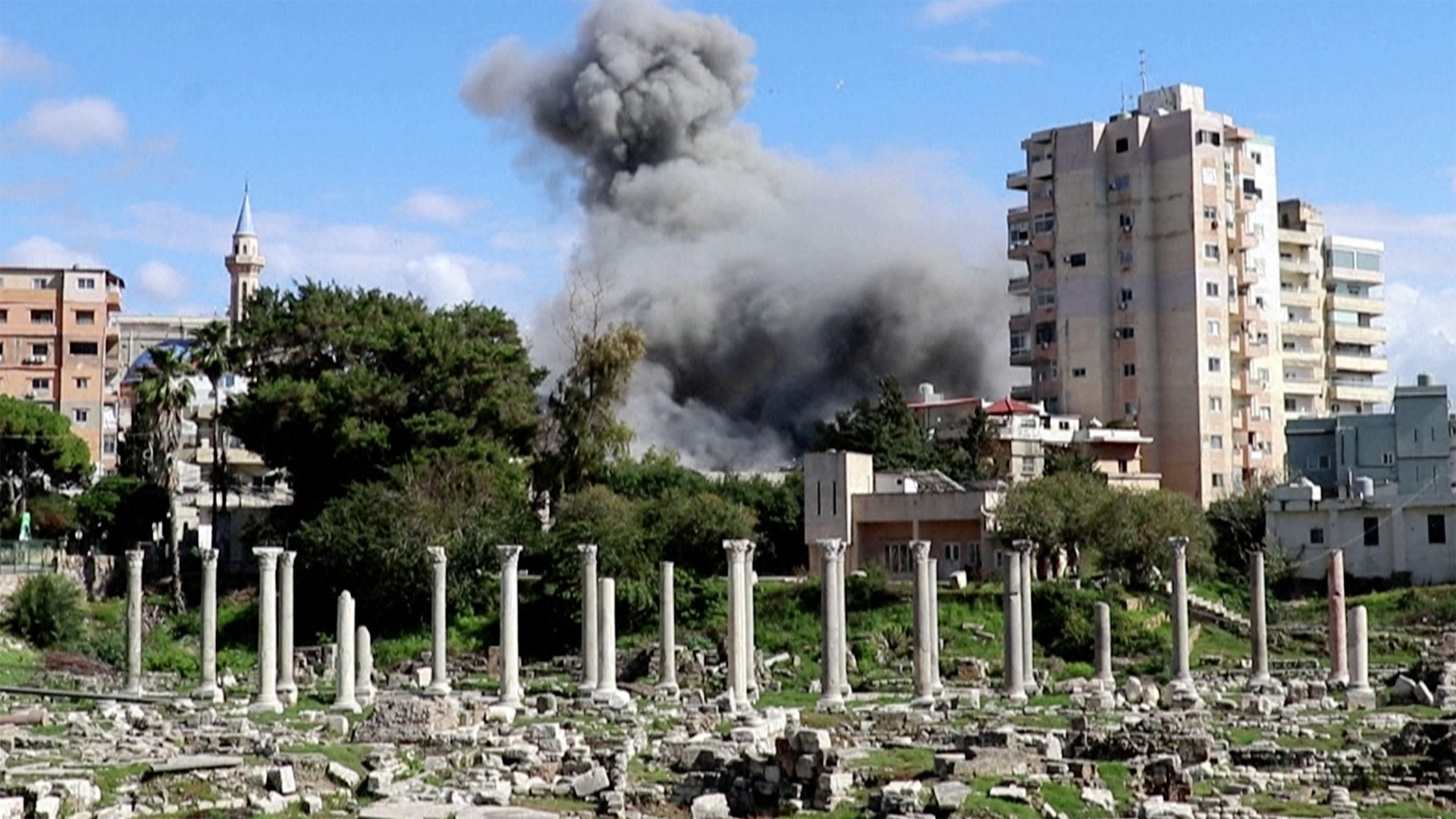

The geopolitical calculus surrounding the potential conflict between the United States, Israel, and Iran demands rigorous scrutiny from a MENA-centric perspective, particularly in terms of business viability and financial stability. Gerard Araud’s assertion that “there is no good outcome” from such a war underscores a critical risk to regional economic ecosystems. A prolonged military engagement could trigger capital flight, disrupt trade corridors vital to MENA’s energy and technology exports, and strain sovereign budgets already under pressure from inflation and debt servicing. For sovereign capitals in the region, diverting resources to military expenditure would divert funds from critical infrastructure projects and social programs, exacerbating fiscal vulnerabilities. The region’s vulnerability to external shocks—whether from sanctions, supply chain breakdowns, or energy price volatility—positions it in a precarious position should such a conflict materialize, necessitating immediate diplomatic and financial hedging strategies.
The venture capital landscape in MENA is also poised for significant disruption if the US-Israel-Iran dynamic escalates into full-scale war. Startups and innovation hubs across the Gulf, North Africa, and the Levant rely on stable environments to attract cross-border investment and talent. A war scenario would likely divert foreign direct investment (FDI) toward secure asset classes, such as sovereign bonds or gold, rather than Risk assets like equity marqueurs. Moreover, regional venture capital firms, which have increasingly leveraged proximity to Silicon Valley and European networks, could face reduced access to global capital flows during periods of heightened geopolitical risk. The sector’s long-term growth prospects hinge on maintaining a perception of stability, which a protracted conflict would irreparably undermine. Governments in the region must therefore prioritize diplomatic engagement to avert scenarios that could trigger commercial litigation, asset freezes, or investor boycotts.
The infrastructural and logistical ramifications of a regional war would further compound economic instability. MENA’s critical infrastructure—ranging from ports and airports to telecom networks—is already operating at capacity, with many projects dependent on foreign financing. A conflict could disrupt supply chains, delay projects under construction, and redirect arable land or water resources toward wartime needs. For instance, energy infrastructure in the Persian Gulf, a cornerstone of regional prosperity, faces heightened risks of sabotage or collateral damage. In this context, regional governments must accelerate investments in redundant systems and cybersecurity measures to mitigate cascading failures. The vagaries of such a conflict would also test the resilience of cross-border financial systems, particularly those reliant on the dollar or euro, necessitating diversification toward multi-currency reserves and localized payment infrastructures to insulate against external volatility.