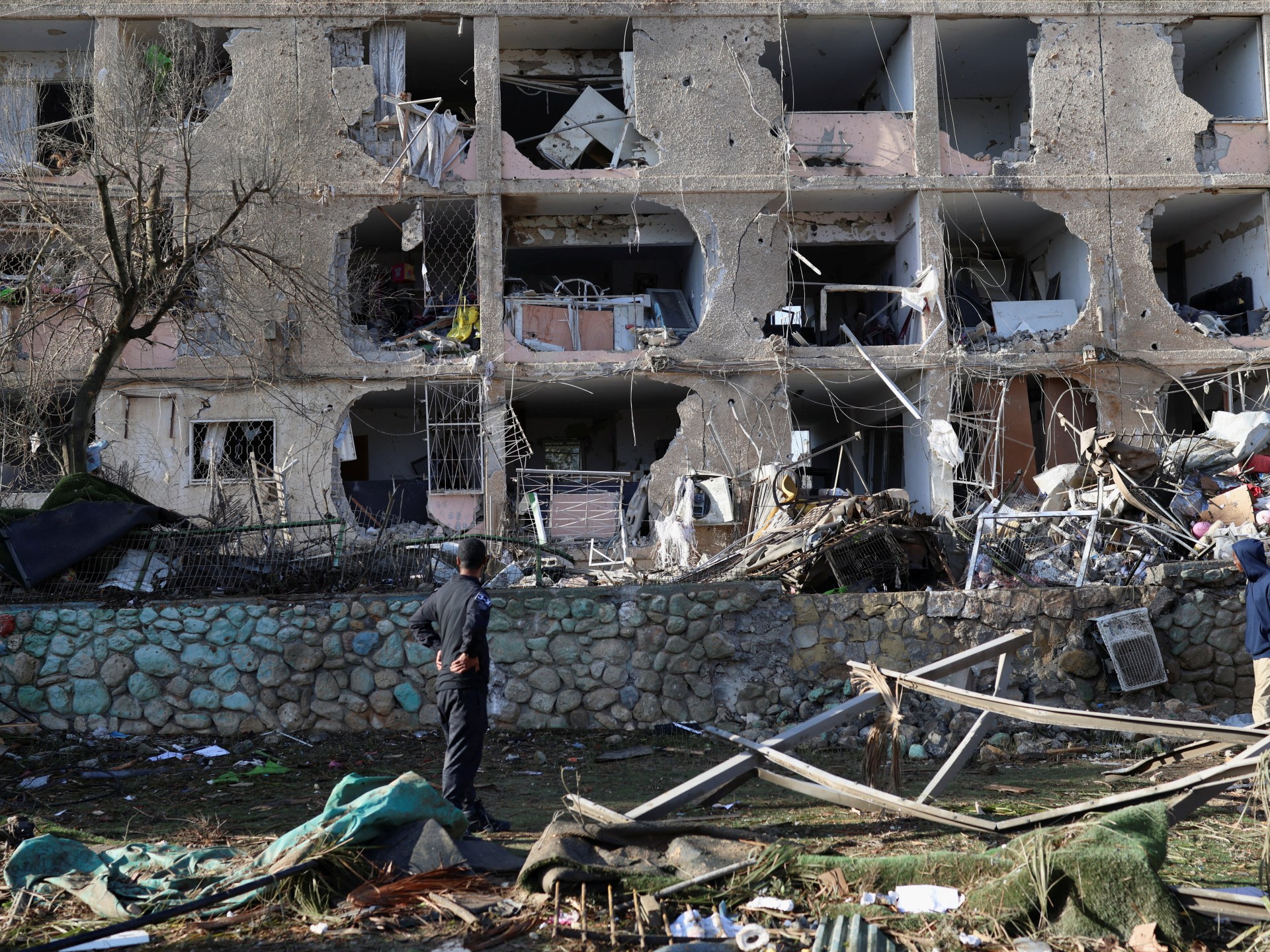

The escalation of conflict in the volatile MENA corridor, exemplified by the confrontation in Arad, underscores significant implications for regional sovereign wealth funds and institutional capital flows. Sovereign investors across the Gulf Cooperation Council (GCC) and beyond are now recalibrating risk assessments in their portfolios, with heightened volatility likely triggering defensive rebalancing away from highly exposed sectors. This repositioning could temporarily stall planned infrastructure investments and reduce participation in regional venture capital funds focused on sectors directly impacted by regional instability, such as logistics and travel technology. The spectre of supply chain disruption and rising security premiums will invariably erode potential returns for both public and private markets, forcing capital allocation towards perceived safer havens, potentially dampening critical regional development initiatives.
For venture capital and private equity, the deteriorating security environment presents a dual challenge. Existing portfolio companies operating in conflict-adjacent sectors face heightened operational risks, increased insurance costs, and potential supply chain disruptions, directly impacting valuation multiples and future fundraising prospects. New investment decisions across the MENA region, particularly in high-growth areas like fintech and digital infrastructure, will face significantly heightened scrutiny from international LPs, potentially leading to a flight of capital towards more stable Asian or European markets. This capital contraction could stifle innovation and scaling ambitions for regional startups, exacerbating the existing funding gap in critical economic sectors.
Furthermore, the volatile geopolitical reality poses direct threats to MENA’s ambitious infrastructure modernization agenda. Key energy and transport corridors vital for GCC diversification plans, such as the Eastern Corridor and strategic ports, become increasingly vulnerable to disruption, necessitating costly contingency measures and potentially derailing megaproject timelines. Energy security, already a critical vulnerability for regional economic stability, faces intensified risks, forcing sovereign entities to accelerate investment in defensive infrastructure and potentially altering long-term energy diversification strategies away from reliance on vulnerable transit routes. The imperative for regional cooperation on critical infrastructure resilience becomes paramount but is increasingly difficult to achieve amidst heightened tensions.