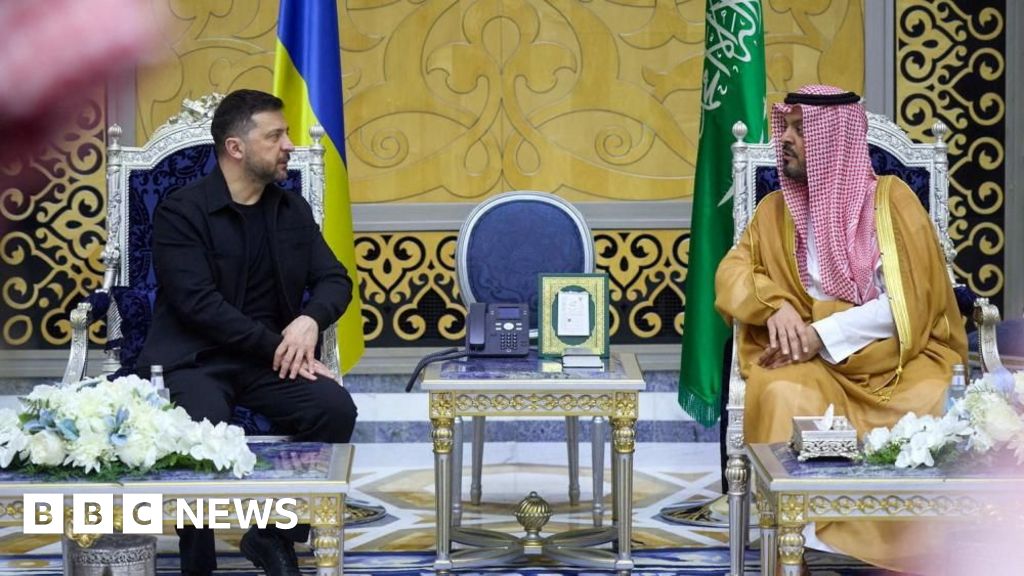

The accelerating proliferation of combat drones in the Middle East and North Africa has positioned Ukraine’s push to secure advanced drone supply agreements as more than a military necessity—it is now a strategic hedge for regional actors against the growing influence of Iran’s autonomous drone programme. As American policy attention pivots sharply toward Tehran’s unmanned systems capabilities, the potential activation of long-dormant drone transfer deals by Kyiv could serve to restore a fragile equilibrium across unstable regional fault lines. For Gulf states already engaged in technology transfers, the re-emergence of Ukrainian partners offers not just military capability but also a diversification away from over-reliance on Western, Chinese, and Iranian systems.
On the sovereign capital front, MENA governments are recalibrating their defence industrial investments to include the vertical integration of drone technology manufacturing. The influx of Ukrainian engineering expertise, particularly in autonomy and swarming technology, promises to shorten development cycles and reduce capital depreciation curves for regional investors. Venture-backed start-ups across the UAE, Saudi Arabia, and Egypt are positioning to secure mandates for aftermarket maintenance, AI software integration, and drone-derived intelligence, data, and reconnaissance (IDR) services, which have become critical force multipliers in proxy conflicts from Yemen to Libya. Sovereign Wealth Funds could accelerate allocations to these verticals, seeing them as long-term, resilient growth sectors insulated from traditional oil price cycles.
Infrastructure-wise, the pivot carries implications beyond defence. The adaptation of military drone logistics and command networks to commercial last-mile delivery and surveillance systems could reshape urban connectivity in cities like Riyadh, Doha, and Cairo. With Iran’s unmanned systems already operational across multiple theatres, the window for MENA sovereign players to vertically integrate comparable systems is narrowing; delay risks technological and strategic asymmetry. Ukraine’s prioritisation of drone exports may thus accelerate the development of regional innovation hubs, licensing arrangements, and cross-border cooperation in autonomy governance—steps that could redefine both the region’s defence posture and its emerging position in the global drone economy.