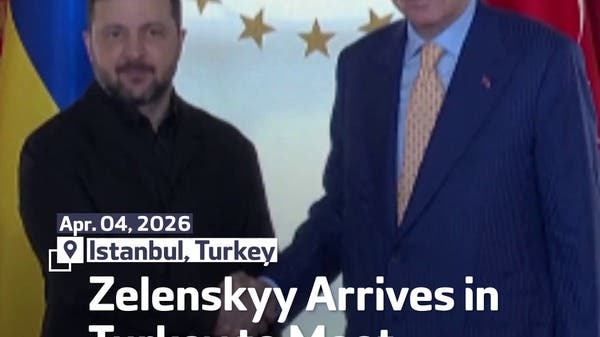

The recent visit by Ukrainian President Volodymyr Zelenskyy to Turkey, culminating in a significant meeting with President Erdoğan, carries substantial and multifaceted implications for the broader Middle East and North Africa (MENA) region. While the immediate focus remains on securing a ceasefire and bolstering Ukraine’s defense capabilities, the strategic alignment between Ankara and Kyiv is reshaping regional geopolitical dynamics and triggering critical adjustments across financial, technological, and infrastructural sectors. Erdoğan’s willingness to host Zelenskyy underscores a deepening, albeit cautiously calibrated, partnership predicated on shared concerns regarding Russian expansionism and the disruption of established trade routes, particularly those impacting energy flows.
From a business perspective, the conflict’s ripple effects are already being felt. MENA nations, traditionally reliant on Russian energy supplies, are accelerating diversification strategies, creating opportunities for increased investment in renewable energy sources and alternative import routes. Sovereign wealth funds, particularly those in Saudi Arabia, the UAE, and Qatar, are exhibiting heightened interest in Turkish infrastructure projects – specifically within logistics and transportation – as Turkey seeks to leverage its position as a critical transit hub. Simultaneously, venture capital firms operating within the region are reassessing their portfolios, with a notable shift towards cybersecurity, digital defense, and technologies supporting Ukraine’s wartime efforts. This represents a strategic recalibration, moving beyond purely consumer-focused investments to prioritize national security and resilience.
The meeting’s implications extend significantly to regional infrastructure development. Turkey’s role as a bridge between Europe and Asia, coupled with its burgeoning defense industry, positions it as a key player in bolstering NATO’s eastern flank. This necessitates substantial upgrades to transportation networks – rail, road, and port facilities – to facilitate increased military and humanitarian aid flows. Furthermore, the potential for expanded cooperation on digital infrastructure, including 5G and satellite communications, is becoming increasingly relevant, offering opportunities for MENA nations to enhance their own technological capabilities and reduce reliance on potentially compromised supply chains. The long-term impact will depend heavily on the duration and outcome of the conflict, but the initial signals point towards a fundamental realignment of strategic priorities.
Finally, the evolving relationship between Turkey and Ukraine necessitates a careful assessment of sovereign capital flows and geopolitical risk. Investors across the MENA region are likely to adopt a more risk-averse approach, demanding greater transparency and due diligence. Increased scrutiny will be applied to investments in sectors directly or indirectly linked to Russia, while opportunities will emerge in nations demonstrating proactive engagement with the evolving security landscape. The coming months will be crucial in determining the extent to which this strategic shift translates into tangible economic benefits for the MENA region, contingent on sustained diplomatic efforts and a broader regional consensus on navigating the challenges posed by the conflict.