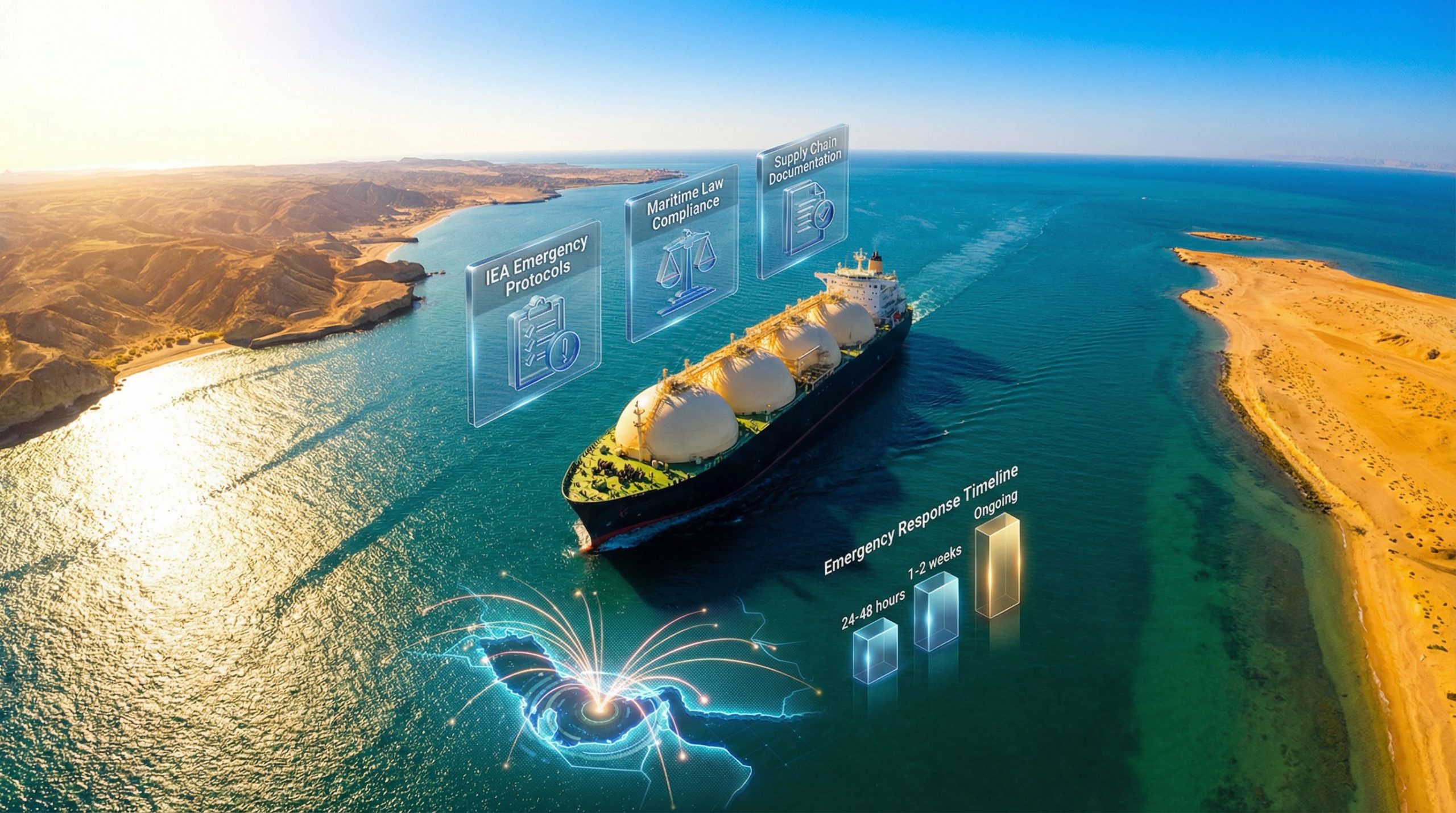

The recent Strait of Hormuz disruptions to ADNOC Gas’s LNG operations underscore the intricate relationship between regional security dynamics and global energy infrastructure resilience. The incident highlights how concentrated maritime trade chokepoints create acute vulnerabilities for energy-producing nations, potentially influencing sovereign capital allocation strategies for infrastructure diversification and hardening critical facilities against geopolitical risks.
From a capital markets perspective, transactional approaches to supply chain management during disruptions demonstrate sophisticated risk management that preserves contractual obligations whilst maintaining flexibility. However, this incident raises questions for sovereign wealth funds in Abu Dhabi about long-term infrastructure investment priorities – whether to allocate additional capital for redundant supply routes or enhanced protective measures. The scale of ADNOC’s Das Island facility, with its 6 million metric tonnes annual capacity, makes such decisions particularly significant to regional energy market stability.
Venture capital interest in energy infrastructure technology could experience renewed momentum given these challenges. Focus areas likely to attract investment include virtual pipeline solutions, enhanced surveillance systems for critical facilities, and AI-powered decision support for faster response to maritime disruptions. The technological sophistication demonstrated in ADNOC’s response management may catalyse capital from the Saudi Public Investment Fund, Mubadala, and other regional investors into startups targeting maritime security solutions for energy infrastructure. These events may accelerate sovereign-backed venture programs aimed at developing alternative export pathways that reduce dependence on single geographic arteries.
Qatar’s LNG ecosystem appears positioned to capitalize on any sustained disruption to ADNOC’s operations, aligning with Qatar’s economic diversification strategy. This competitive dynamic could drive additional sovereign capital into Qatar’s infrastructure expansion. Simultaneously, multinational oil majors and infrastructure funds will analyze these events regarding investment risk in facilities with similar geographic constraints, potentially shifting regional capital allocation toward geographies with alternative export options. The connectivity between these decisions extends beyond energy pricing to influence broader Gulf Cooperation Council industrialization objectives.
Despite extensive internal assessment protocols demonstrated in the five-day period before formal disclosure, the region’s state-owned energy companies remain vulnerable to perceived operational resilience impacts. This has likely triggered defensive dialogue within the UAE government’s Sovereign Wealth Holdings Bureau and similar agencies about accelerating infrastructure redundancies. Future sovereign development announcements may include commitments to progressively reduce geographical concentration risks, reflecting lessons learned from this disruption’s impact on national economic security.