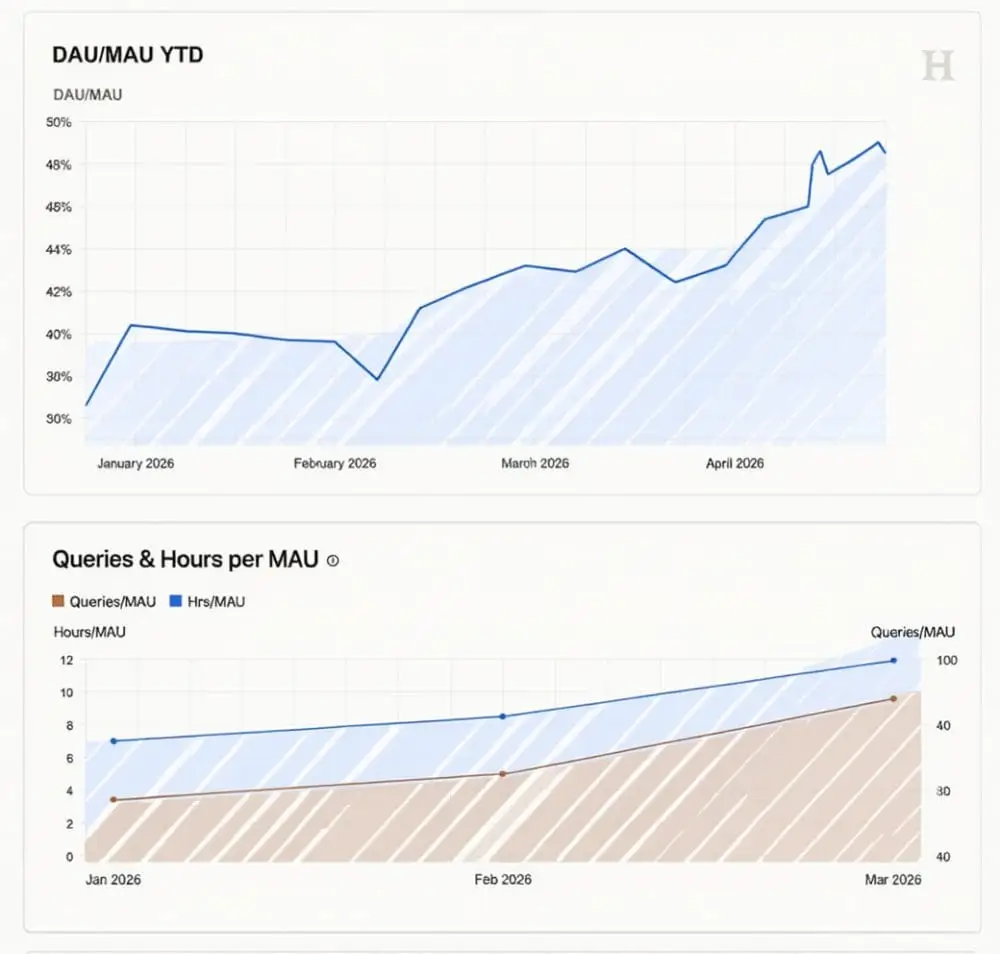

In the Gulf and Levant, the shift from transaction‑centric SaaS to user‑centric AI‑enabled platforms is redefining sovereign and private equity investment strategies. The Saudi Vision 2030, UAE Vision 2035, and EgyptVision 2035 now explicitly mandate that domestic cloud services exhibit higher engagement rates—measured by daily‑weekly‑monthly active user (DAU/WAU/MAU) ratios—before they qualify for state‑backed financing or venture capital tranches. The benchmark set by leading MENA SaaS firms, with DAU/MAU ratios above 40 % and average monthly usage surpassing ten hours, reflects a new performance floor that equity investors are demanding. Firms that fail to reach this threshold are swiftly moved to the “stealth churn” cohort, where a 30‑day decline in activity signals an impending 18‑month revenue erosion that is invisible to traditional ARR‑only metrics.
Capital flows into the region are increasingly tethered to these engagement metrics. Multilateral development banks, such as the World Bank’s Developing Market Investors, now require proof of a product’s habit formation—evidenced by consistent DAU/MAU ratios—before committing to loan guarantees. In parallel, private venture funds—particularly those focused on technology hubs in Riyadh, Dubai, and Cairo—are recalibrating their valuation multiples, tying them to user‑level data rather than solely to contract renewals or seat expansion. The recent high‑profile raise of an Arabic‑language AI legal platform, which achieved 50 % DAU/MAU and recorded 12 hours of monthly use per user, culminated in a valuation spike to $11 billion, a 6‑fold increase in net new ARR that investors attribute directly to repeat, high‑impact usage.
These dynamics have a direct infrastructural knock‑on effect. National broadband initiatives—such as Saudi Arabia’s Advanced Telecom and Data System (ATDS) and Egypt’s National Broadband Strategy—are being audited for capacity to support real‑time AI inference workloads that underpin daily active use. Sovereign tech parks are integrating usage‑monitoring dashboards into their KPI suites, ensuring that tenant enterprises are not only meeting service‑level agreements but also sustaining user engagement thresholds. The result is a virtuous cycle: higher engagement fuels repeat revenue, which in turn justifies greater sovereign investment in cloud backbone and AI‑processing hubs, reinforcing the competitive advantage of ecosystems that embed AI into everyday workflows.
For regional start‑ups, the imperative is clear: embed comprehensive DAU/WAU/MAU monitoring into product strategy from day one, and report these figures to investors and regulators as the primary performance indicators. As the MENA market matures, engagement will eclipse ARR as the leading predictor of long‑term value, reshaping how sovereign capital, venture capital, and infrastructure policy intersect. Firms that navigate this transition will not only secure financing but will also command a dominant position in a rapidly digitising regional economy.